
 Business License

Signal Hound PCR4200 Built-in GPS: Multi-site Data Time Misalignment & Synchronization Limitations supplier
Signal Hound four-channel phase coherent receiver supplier
The Signal Hound PCR4200 Has Built-in GPS, so Why Is Multi-Site Data Still Time-Misaligned? — The Time-Synchronisation Chain and the Limits of the Word "Built-in"
Symptom
A drone-detection / emitter-geolocation project deploys several Signal Hound PCR4200 units across distributed sites. Within a single site the four channels' data timestamps are consistent; but when sites are compared, the time tags on each site's IQ stream don't line up, and TDOA solution residuals fluctuate by tens of microseconds. Some engineer assumes "it has built-in GPS, what clock locking is left to do?" and ignores external references and all GPS-related settings entirely. Others find the GPS holdover status "occasionally loses lock" while the platform raises no alarm whatsoever.
Root-Cause Analysis
The Signal Hound PCR4200's internal GPS module provides precise time, frequency and position information (officially designed for time and frequency synchronisation). "Built-in" lowers the deployment barrier, but time consistency in a multi-site system still depends on three links:
Reception conditions for the built-in GPS: antenna mounting location (a metal vehicle roof or indoors in a machine room are classic obstructions), feed lines (an internal antenna is sensitive to pedestal grounding and sky view), and urban canyons or mountain shadowing that leave too few visible satellites. After loss of lock the instrument falls back to its internal oscillator; time stamps keep being applied, they simply are no longer trustworthy;
Disagreement over "where the timestamp is applied": the device side stamps IQ packets using the GPS-disciplined time base, which is the comparable reference across sites; whereas the server's write-to-disk moment and network queuing delay are not. A solver that mixes the two clocks produces exactly those tens-of-microseconds residuals;
Frequency discipline ≠ second-level alignment: disciplining the oscillator's frequency and aligning epoch at the one-pulse-per-second level are two different things. TDOA applications need every site to agree on "the start of the same second"; if you rely only on GPS time-granularity or software time-setting, a fixed inter-site bias remains and must be calibrated out;
Each unit's inherent bias: per-site internal instrument delays and differences in first-fix time after powering the GPS module. Pooling all sites into one solution without per-site calibration shows up as "fixed error plus random jitter."
Deployment and Troubleshooting Steps
Put GPS status under monitoring: include discipline status — GPS-disciplined / holdover state and number of visible satellites (software/API status fields) — in platform telemetry, and automatically flag lost-lock data as untrustworthy with an alarm. Silent degradation is the most dangerous failure mode in a multi-site system;
Unify timestamp semantics: the solver uses only device-side VITA-49 timestamps. State explicitly in documentation that "packet arrival time must never be used as the time tag," and check this during code review;
Calibrate the fixed inter-site bias: use a common source (or a unified pulse injected into both sites from a GPS-set clock) to cross-calibrate inter-site delay, and write each site's inherent bias into a compensation table. Recalibrate after the instrument is moved or a part is replaced;
Test loss-of-lock behaviour for real: disconnect the antenna to simulate loss of lock and confirm the fallback strategy, status-bit changes and alarm path all take effect within 1 minute;
When higher accuracy is required: evaluate adding an external rubidium standard or a GPS-disciplined master clock with 1PPS distribution at each site (how the PCR4200 accepts an external reference follows the shipped manual). Built-in GPS satisfies routine TDOA and time-tagging needs; design ahead for special requirements.
Acceptance Criteria
Per-site GPS discipline online rate ≥99% (monthly); loss-of-lock drills raise an alarm within 1 minute; cross-site time-tag residual from a simultaneously broadcast source meets the solution budget after compensation; the archive contains per-site bias calibration records and the recalibration interval.
Sources: compiled from Signal Hound PCR4200 product material (built-in GPS providing time / frequency / position, VITA-49 streaming data) and general engineering practice for multi-site time synchronisation.

Recently Posted
-
The Signal Hound PCR4200 Drops Packets and Produces Misaligned Inter-Channel Timestamps as Soon as All Four Channels Emit 40 MHz IQ Streams :supplier
November 25, 2026Signal Hound PCR4200 four-channel phase coherent receiver supplierThe Signal Hound PCR4200 Drops Packets and Produces Misaligned I Read More
-
Signal Hound PCR4200 4-Channel IQ Capture: Frame Drop After Minutes, Stop on Disk Full supplier
November 25, 2026Signal Hound PCR4200 four-channel phase coherent receiver supplierRecording IQ on All Four Signal Hound PCR4200 Channels Starts Dr Read More
-
Signal Hound PCR4200 supplier : Control Port Connected but IQ Stream Garbled — VITA-49 Integration Issue
November 23, 2026Signal Hound PCR4200 four-channel phase coherent receiver supplierThe Signal Hound PCR4200's Control Port Connects but the IQ Read More
-
Signal Hound PCR4200 supplier : 90-Min 4-Channel Consistency Acceptance Test for Delivery Inspection
November 23, 2026Signal Hound PCR4200 four-channel phase coherent receiver supplierHow Do You Accept a Fifty-Thousand-Dollar Signal Hound PCR4200 o Read More

Contact Us
Recommended Products
-
 Signal Hound SM200C 100 KHz to 20 GHz Real-time Spectrum Analyzer With 10GbE Monitoring ReceiversNegotiableMOQ: 1 Unit
-
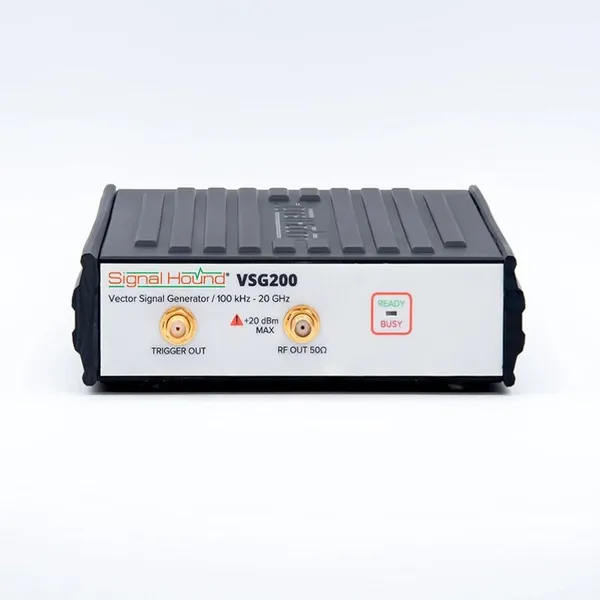
Signal Hound VSG200 Vector Signal Generator 100 KHz to 20 GHzNegotiableMOQ: 1 Unit
-
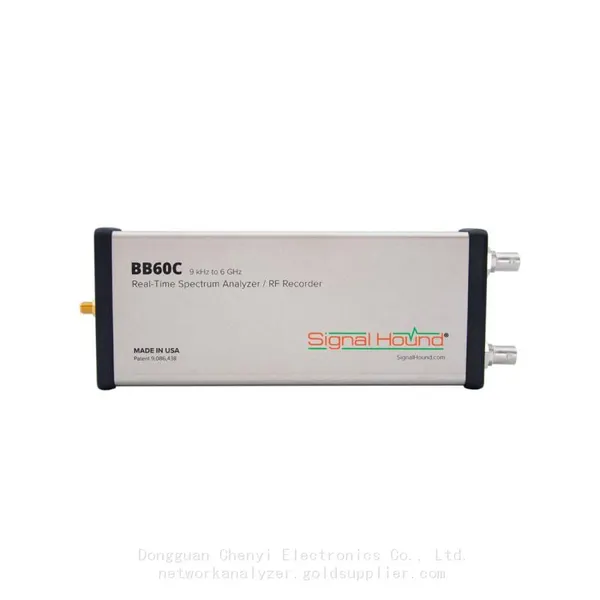
Signal Hound BB60C 9 KHz to 6 GHz Real-time Spectrum AnalyzerNegotiableMOQ: 1 Unit
-
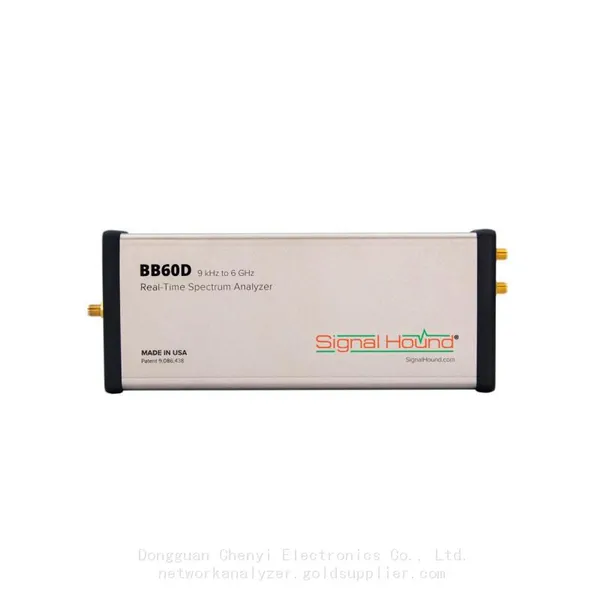
Signal Hound BB60D 9 KHz to 6 GHz Real-time Spectrum AnalyzerNegotiableMOQ: 1 Unit
-
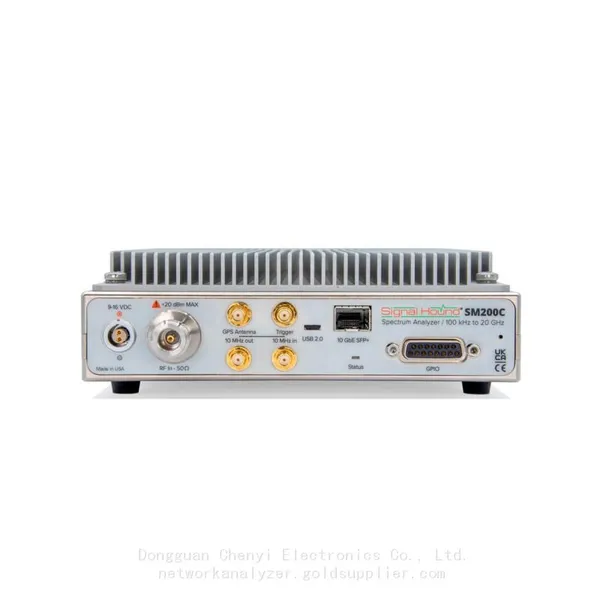
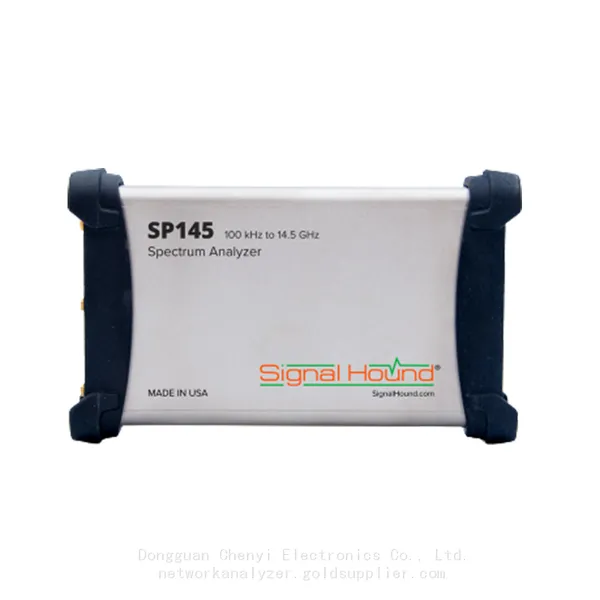
Signal Hound SP145 100 KHz to 14.5 GHz Real-time Spectrum Analyzer Monitoring ReceiversNegotiableMOQ: 1 Unit
-
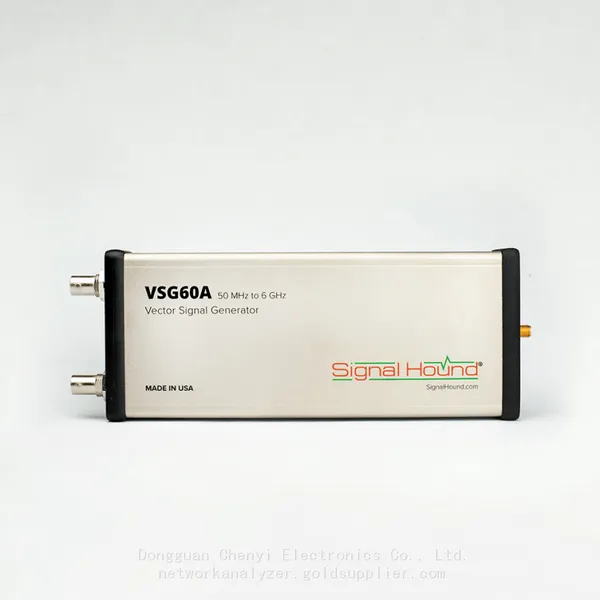
Signal Hound VSG60A 50 MHz to 6 GHz GHz Vector Signal GeneratorNegotiableMOQ: 1 Unit
-
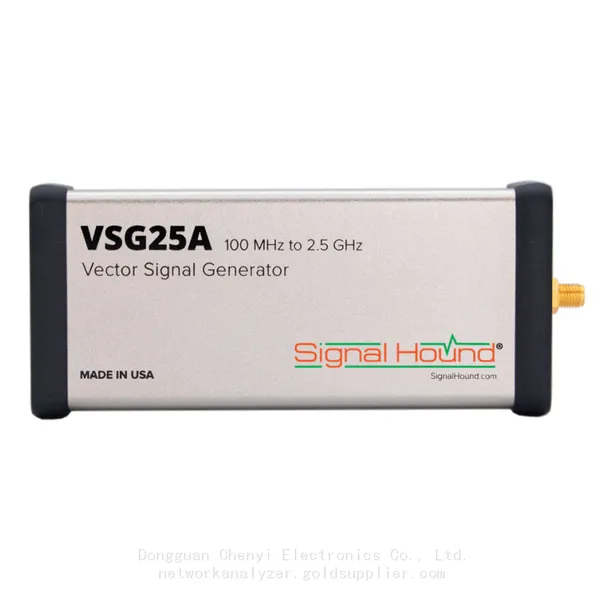
Signal Hound VSG25A 100 MHz to 2.5 GHz Vector Signal GeneratorNegotiableMOQ: 1 Unit
-
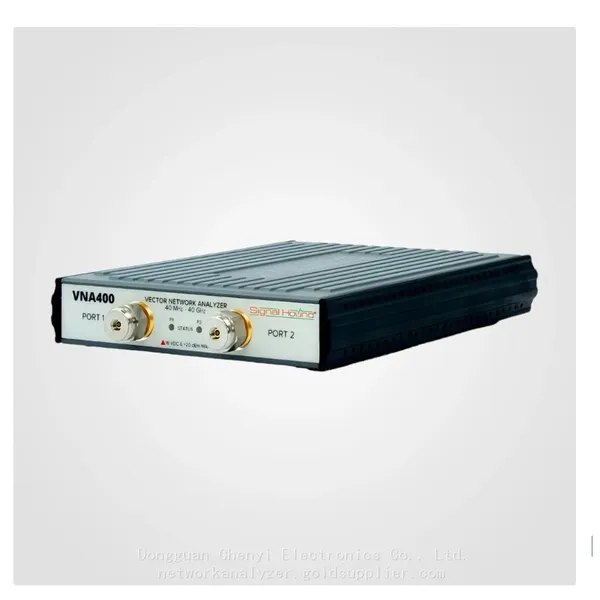
Signal Hound VNA400 40 MHz to 40 GHz 2-port Vector Network AnalyzerNegotiableMOQ: 1 Unit
-
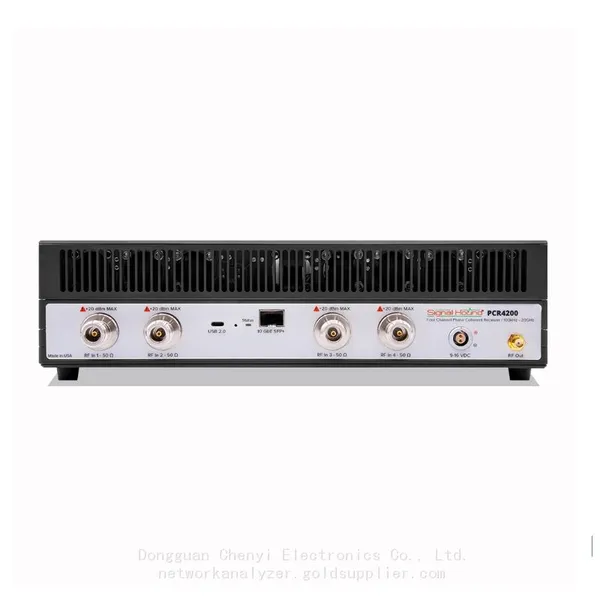
Signal Hound PCR4200 100 KHz to 20 GHz Four-Channel Phase Coherent ReceiverNegotiableMOQ: 1 Unit
-
Signal Hound TG124A 100 KHz to 12.4 GHz Tracking GeneratorNegotiableMOQ: 1 Unit
-
Signal Hound TG44A 10 Hz to 4.4 GHz t Tracking GeneratorNegotiableMOQ: 1 Unit
-
Signal Hound SA124B 100 KHz to 12.4 GHz Spectrum AnalyzerNegotiableMOQ: 1 Unit
-
Signal Hound SA44B 1 Hz to 4.4 GHz Spectrum AnalyzerNegotiableMOQ: 1 Unit
-
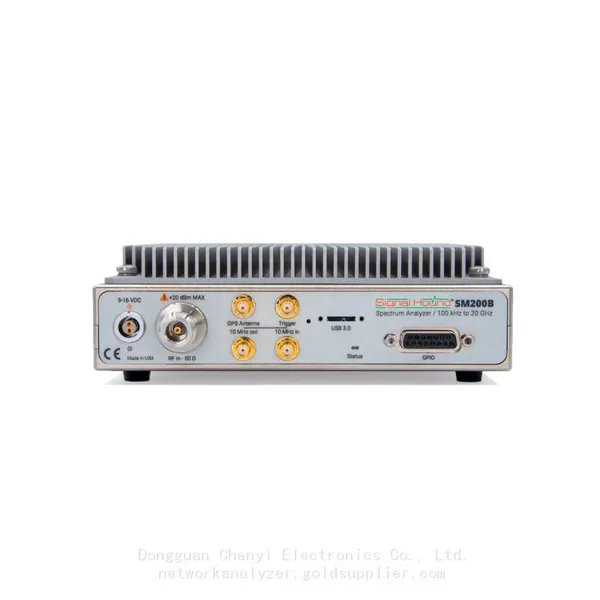
SM200B Real‑time Spectrum Analyzer,USB3.0 RTSA,100kHz-20GHz,calibrated I/Q Capture for 5G Test & Interference HuntingNegotiableMOQ: 1 Unit
-
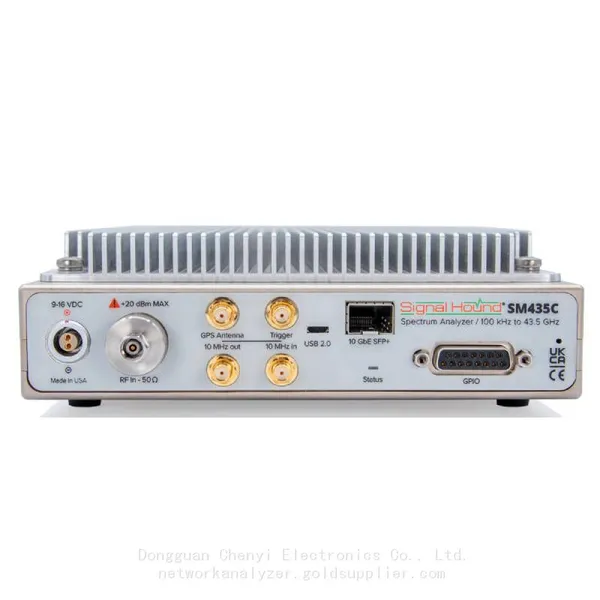
Signal Hound SM435C 100 KHz to 43.5GHz Real-time Spectrum Analyzer With 10GbE Monitoring ReceiversNegotiableMOQ: 1 Unit
-
Signal Hound SM435B 100 KHz to 43.5GHz Real-time Spectrum Analyzer Monitoring ReceiversNegotiableMOQ: 1 Unit
-
Signal Hound PN400 Phase Noise and VCO Test System 100 KHz to 43.5 GHzNegotiableMOQ: 1 Unit
-
Keysight E4980A Precision LCR Meter 20 Hz to 2 MHzNegotiableMOQ: 1 Unit
-
Keysight E4980B and E4980BL Precision LCR Meter 20 Hz to 2 MHzNegotiableMOQ: 1 Unit
-
Keysight U1733C Handheld LCR Meter 100Hz 120Hz 1kHz 10kHz 100kHzNegotiableMOQ: 1 Unit