
 Business License

Signal Hound PCR4200 four-channel phase coherent receiver supplier
Signal Hound PCR4200 four-channel phase coherent receiver supplier
Calibrating Amplitude and Phase Across the Four Signal Hound PCR4200 Channels with Its Built-in Signal Generator Makes Things "Less Accurate" Than Before — Five Common Mistakes in the Calibration Chain
Symptom
A user exploits the Signal Hound PCR4200's built-in vector signal generator (30 MHz to 20 GHz, whose stated official design purpose is to "greatly simplify system alignment and calibration") to run a four-channel consistency calibration: the calibration sequence is configured in software, it completes, the amplitude and phase corrections for the four channels are written into the system — and then, when measuring real signals, the relative inter-channel amplitude is messier than before calibration. Some find the calibration values differ every day and conclude "the calibration feature is unusable."
Root-Cause Analysis
The built-in VSG is the right tool for array calibration on this instrument, but the quality of the calibration is decided by where the stimulus comes from and which elements it passes through before reaching the antenna ports. Five high-frequency mistakes:
The calibration signal path differs from the actual signal path: the built-in VSG's output must first be fed back to the four channel inputs (typically through a power splitter or switch network returning to each RF input). Calibration runs "VSG → splitter → 4 channels," while operation runs "antenna in space → 4 antennas + 4 feed lines → 4 channels" — applying the calibration values directly as antenna-port corrections means you have calibrated the splitter's errors onto the antenna array. The reference plane must be unified at the real interface of use (the antenna port); the amplitude and phase of the intermediate components must either be measured and subtracted, or reproduced inside the calibration chain;
Splitter / cable inconsistency leaks into the result: amplitude and phase imbalance across a 40 MHz–20 GHz power splitter can reach the order of 1 dB / 10°, and a few centimetres of length difference between four feed lines is tens of degrees of phase error at 10 GHz. Measure the calibration network's own errors first with external means (a VNA or a swap-measurement method), otherwise the network's fault gets charged to the channels;
Warm-up and temperature plateau skipped: phase-sensitive calibration must be performed after thermal settling (see the coherent warm-up article). Cold-unit calibration values differ substantially from steady-state ones — "different every day" usually means a different temperature plateau each day;
Unreasonable choice of calibration frequencies and levels: too few frequency points (interpolating a 40 MHz-bandwidth channel at 1 GHz steps) cannot flatten in-band ripple; levels too close to compression or too low into the noise region make two successive calibrations mutually inconsistent;
Mode and parameters not aligned: attenuation step / preselector setting / LO mode during calibration differ from those used in formal acquisition, so the whole correction set mismatches. The calibration configuration should be templated and hard-bound to the acquisition configuration.
Proper Calibration Procedure
Define the reference plane: state clearly at which physical interface the corrections act (recommended: each channel's RF input connector ferrule). Antenna and feed-line errors get a separate "over-the-air calibration" (far-field single-source method in the field); manage the two correction sets separately;
Calibrate the network first: measure the amplitude and phase differences of the splitter / switch network by swap measurement or with a VNA and archive them; subtract the network's contribution from the channel calibration results;
Run the built-in VSG point by point: choose sensible frequency density and level (mid-range linear region), record the four-channel amplitude and phase differences at every frequency point, run two passes and keep data with good repeatability;
Closed-loop verification: after calibration, inject one known signal from an external source in the "actual direction of use" and confirm the residual four-channel amplitude and phase meets the array algorithm budget;
Periodicity and trigger conditions: recalibrate after ambient temperature plateau changes greater than 5 °C, after the instrument is moved, and after maintenance. Calibration files carry date and temperature-condition tags.
Acceptance Criteria
Residual inter-channel amplitude difference and phase difference at the ferrule reference plane meet the application specification (interferometric direction finding typically requires residual phase far below the order of 10°, per the system budget); the difference between two independent calibrations lies within statistical repeatability; the calibration chain topology diagram and files are archived.
Sources: compiled from Signal Hound PCR4200 product material (built-in 30 MHz–20 GHz VSG for simplified alignment and calibration, 40 MHz per channel, coherent mode) and general array-calibration methodology; residual specifications follow the specific application budget.
WhatsApp:+85268839563
Recently Posted
-
Signal Hound PCR4200 supplier : Control Port Connected but IQ Stream Garbled — VITA-49 Integration Issue
November 23, 2026Signal Hound PCR4200 four-channel phase coherent receiver supplierThe Signal Hound PCR4200's Control Port Connects but the IQ Read More
-
Signal Hound PCR4200 supplier : 90-Min 4-Channel Consistency Acceptance Test for Delivery Inspection
November 23, 2026Signal Hound PCR4200 four-channel phase coherent receiver supplierHow Do You Accept a Fifty-Thousand-Dollar Signal Hound PCR4200 o Read More
-
Signal Hound PCR4200 supplier: Two Ports Damaged by Lightning + Hot-Plug with Antenna Array
November 23, 2026Signal Hound PCR4200 four-channel phase coherent receiver supplierThe Signal Hound PCR4200's Four Channels Were Hooked to an A Read More
-
Signal Hound PCR4200 supplier : Spectrum Abnormally Clean or False Peaks from 45 MHz–20 GHz Sub-Octave Preselector
November 23, 2026Signal Hound PCR4200 four-channel phase coherent receiver supplierThe Signal Hound PCR4200 Spectrum Is "Unusually Clean"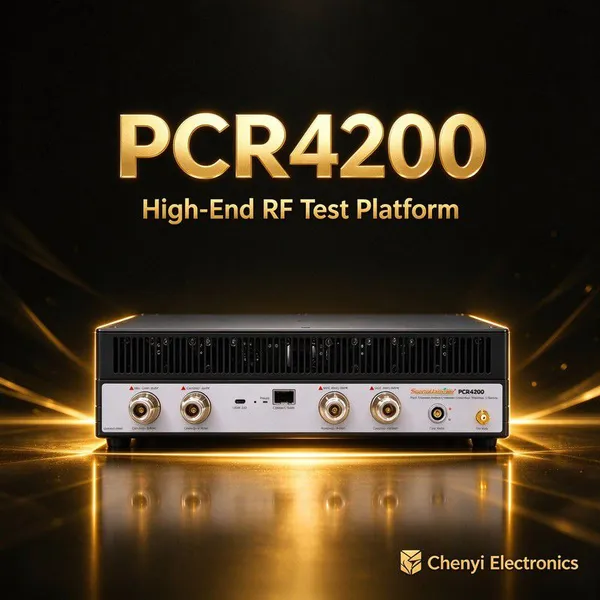 Read More

Contact Us
Recommended Products
-
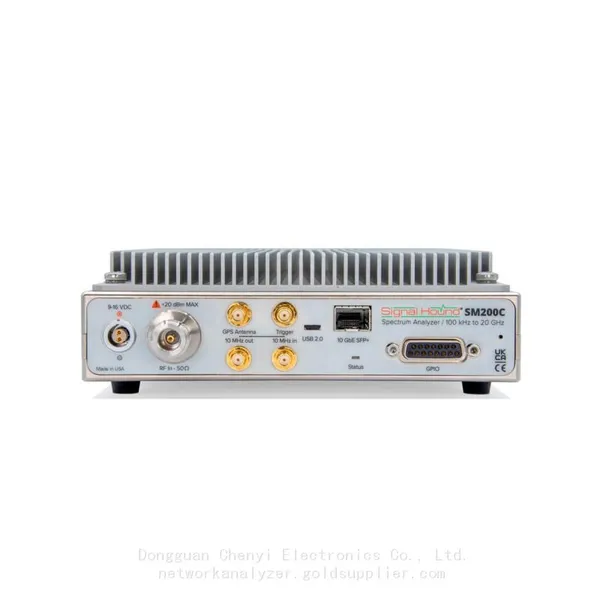
 Signal Hound SM200C 100 KHz to 20 GHz Real-time Spectrum Analyzer With 10GbE Monitoring ReceiversNegotiableMOQ: 1 Unit
-
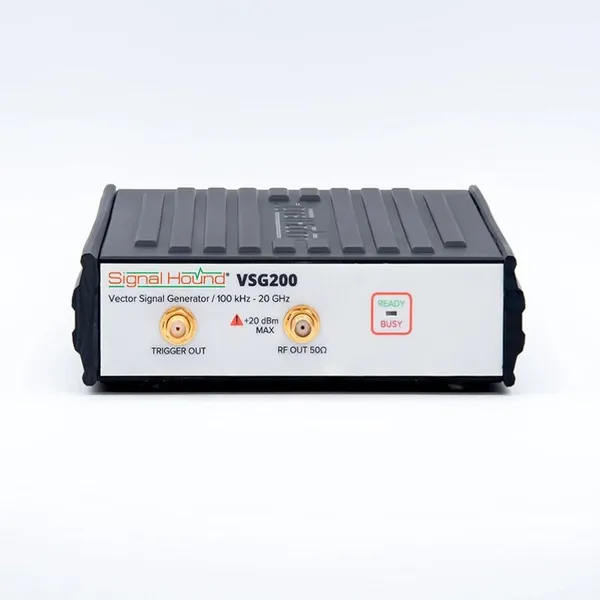
Signal Hound VSG200 Vector Signal Generator 100 KHz to 20 GHzNegotiableMOQ: 1 Unit
-
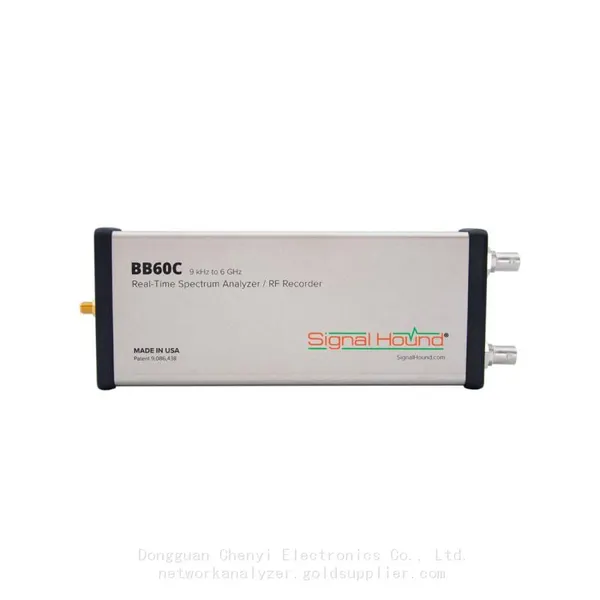
Signal Hound BB60C 9 KHz to 6 GHz Real-time Spectrum AnalyzerNegotiableMOQ: 1 Unit
-
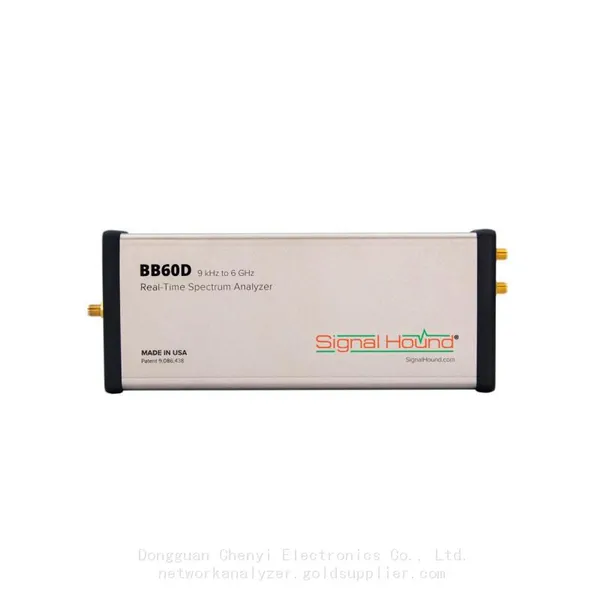
Signal Hound BB60D 9 KHz to 6 GHz Real-time Spectrum AnalyzerNegotiableMOQ: 1 Unit
-
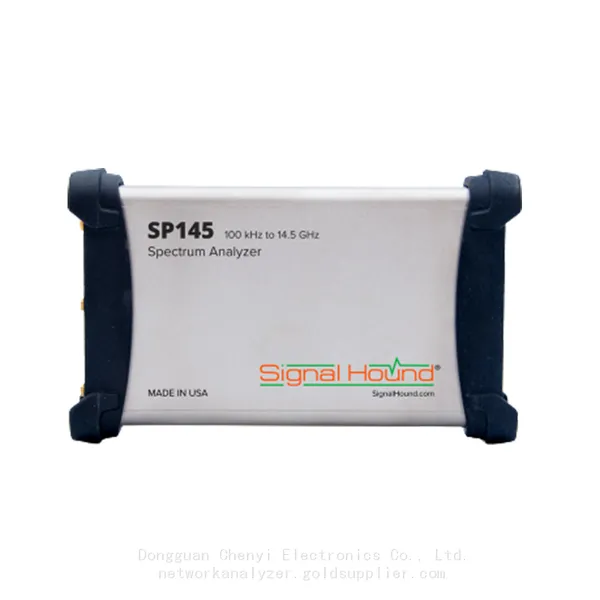
Signal Hound SP145 100 KHz to 14.5 GHz Real-time Spectrum Analyzer Monitoring ReceiversNegotiableMOQ: 1 Unit
-
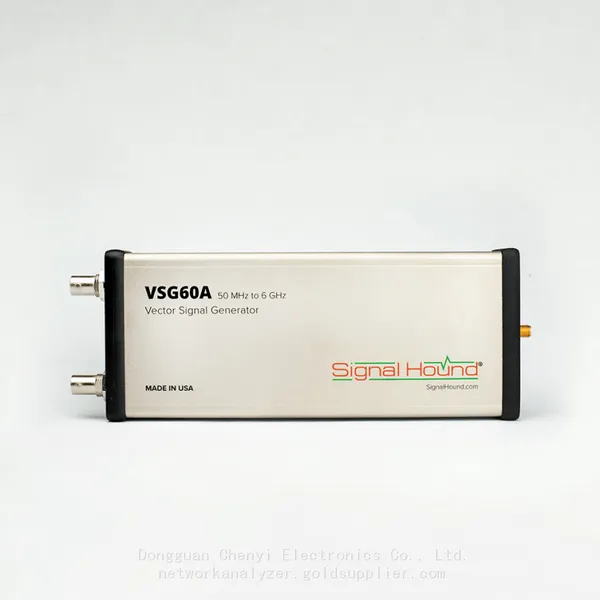
Signal Hound VSG60A 50 MHz to 6 GHz GHz Vector Signal GeneratorNegotiableMOQ: 1 Unit
-
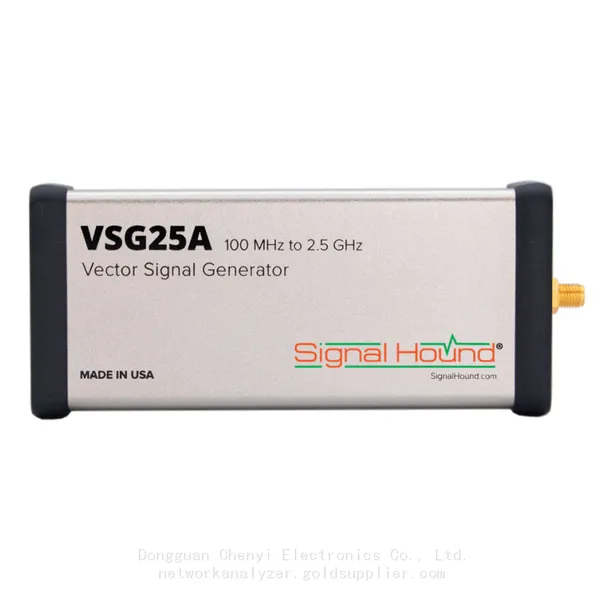
Signal Hound VSG25A 100 MHz to 2.5 GHz Vector Signal GeneratorNegotiableMOQ: 1 Unit
-
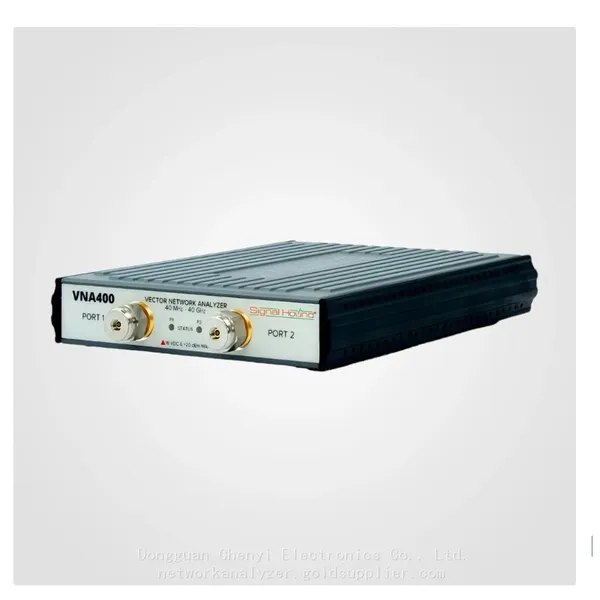
Signal Hound VNA400 40 MHz to 40 GHz 2-port Vector Network AnalyzerNegotiableMOQ: 1 Unit
-
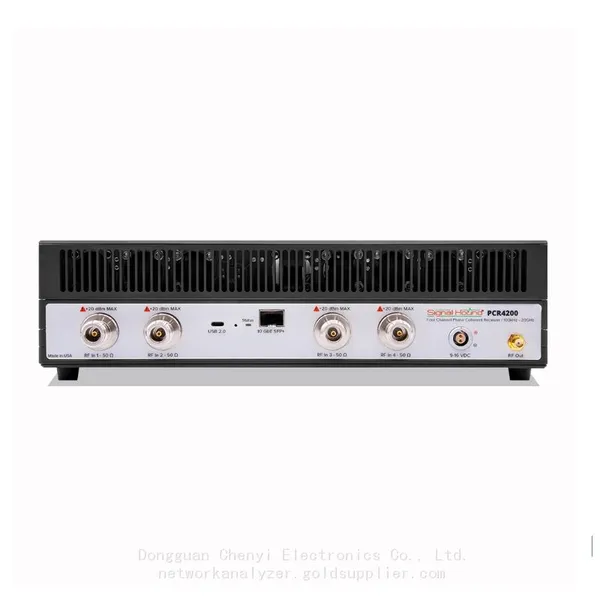
Signal Hound PCR4200 100 KHz to 20 GHz Four-Channel Phase Coherent ReceiverNegotiableMOQ: 1 Unit
-
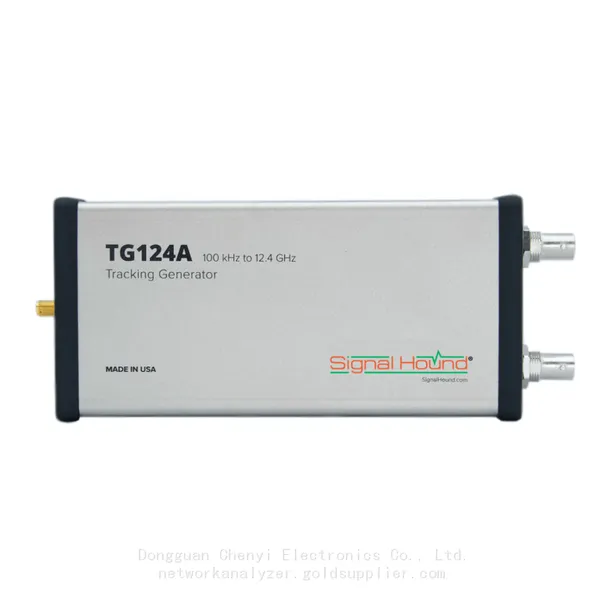
Signal Hound TG124A 100 KHz to 12.4 GHz Tracking GeneratorNegotiableMOQ: 1 Unit
-
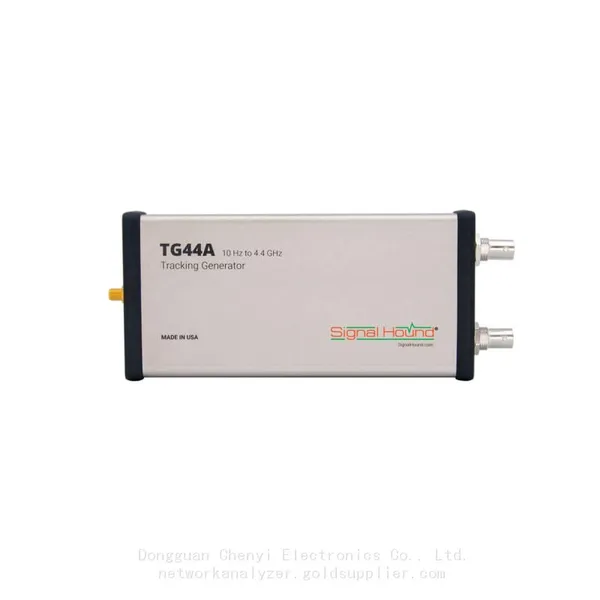
Signal Hound TG44A 10 Hz to 4.4 GHz t Tracking GeneratorNegotiableMOQ: 1 Unit
-
Signal Hound SA124B 100 KHz to 12.4 GHz Spectrum AnalyzerNegotiableMOQ: 1 Unit
-
Signal Hound SA44B 1 Hz to 4.4 GHz Spectrum AnalyzerNegotiableMOQ: 1 Unit
-
SM200B Real‑time Spectrum Analyzer,USB3.0 RTSA,100kHz-20GHz,calibrated I/Q Capture for 5G Test & Interference HuntingNegotiableMOQ: 1 Unit
-
Signal Hound SM435C 100 KHz to 43.5GHz Real-time Spectrum Analyzer With 10GbE Monitoring ReceiversNegotiableMOQ: 1 Unit
-
Signal Hound SM435B 100 KHz to 43.5GHz Real-time Spectrum Analyzer Monitoring ReceiversNegotiableMOQ: 1 Unit
-
Signal Hound PN400 Phase Noise and VCO Test System 100 KHz to 43.5 GHzNegotiableMOQ: 1 Unit
-
Keysight E4980A Precision LCR Meter 20 Hz to 2 MHzNegotiableMOQ: 1 Unit
-
Keysight E4980B and E4980BL Precision LCR Meter 20 Hz to 2 MHzNegotiableMOQ: 1 Unit
-
Keysight U1733C Handheld LCR Meter 100Hz 120Hz 1kHz 10kHz 100kHzNegotiableMOQ: 1 Unit