
 Business License

The Signal Hound PCR4200 Measures the Same Signal on All Four Channels, but the Inter-Channel Phase Difference Changes Within Tens of Minutes
Signal Hound PCR4200 four-channel phase coherent receiver supplier
The Signal Hound PCR4200 Measures the Same Signal on All Four Channels, but the Inter-Channel Phase Difference Changes Within Tens of Minutes — Have You Picked the Right Coherent Mode and Warmed It Up?
Symptom
A user runs array acquisition or coherent processing with the PCR4200: in the lab, a power splitter feeds the same signal into all four channels, and the inter-channel phase differences are very stable right after calibration. After tens of minutes of continuous operation the phase differences drift slowly; the drift worsens during periods when the air conditioner cycles on and off or the cabinet door is opened and closed. Others go further and set the four channels to "each tune a different frequency," then complain: "whatever happened to the promised phase coherency?"
Root-Cause Analysis
Each Signal Hound PCR4200 channel supports two operating modes (official specification): phase-coherent operation via a high-performance shared LO, or independent tuning through a channel-specific LO. Each of the two kinds of "phase instability" has its own root cause:
Mode confusion: in independent-tuning mode each channel uses its own LO, which is convenient for "using one box as four receivers," but inter-channel phase coherency was never a design goal of that mode. For interferometric direction finding, beamforming or coherent MIMO acquisition, the target group of channels must be put into shared-LO coherent mode;
Thermal settling not completed: the official API documentation explicitly references the product manual's "typical drift of phase versus time and temperature" curve, and states clearly that optimal performance requires the instrument to be warmed up in an active-measurement state before formal acquisition begins — the LOs, cabling and board-level parts in the coherent chain all have to reach thermal steady state, so phase drift is largest when the unit is cold or has been used intermittently;
Ambient temperature swings drive the drift directly: placing the benchtop unit where conditioned air blows straight onto it, or coupling it unevenly to neighbouring equipment inside a rack, both degrade the drift curve.
Troubleshooting and Resolution Steps
Verify the mode first: confirm every channel involved in the coherent task is configured for shared-LO coherent mode (read back and check channel by channel in the software/API); do not include independently tuned channels in the coherent baseline;
Warm up per the manual: after power-on, keep the instrument running in active measurement for a period (follow the typical settling time given in the shipped manual) before doing phase-sensitive acquisition and calibration; write the "warm-up duration" into the work procedure instead of "measure as soon as it powers on";
Plot a drift baseline: feed one source to all channels through a power splitter and record the inter-channel phase difference every 5 minutes for 2 hours of continuous capture. Compare against the manual's typical drift curve: falling within the family is a characteristic, whereas far exceeding it means you should investigate environment and hardware;
Fix the environment: keep away from direct AC outlet airflow and adjacent heat sources, and ensure uniform airflow within the rack; at sites with large day–night temperature swings, schedule "calibrate–acquire" within the same temperature plateau as much as possible;
Handling out-of-spec cases: if large sustained drift persists despite proper warm-up and correct mode, or is accompanied by an abnormal noise floor, preserve the drift curve and serial number and contact after-sales support to assess the LO / front-end condition.
Acceptance Criteria
After warm-up in coherent mode, inter-channel phase-difference drift during working hours meets the array application budget (evidenced by the measured baseline plus the manual's typical curve); the residual phase error between calibration and use is recorded quantitatively and can be corrected at the application layer.
Sources: compiled from the Signal Hound PCR4200 product page / datasheet (dual mode: shared-LO coherent vs. channel-independent tuning) and the official API documentation's notes on phase drift over time and temperature and on warm-up in active measurement; warm-up durations and similar parameters follow the shipped manual.
WhatsApp:+85268839563
Recently Posted
-
Signal Hound PCR4200 supplier : Control Port Connected but IQ Stream Garbled — VITA-49 Integration Issue
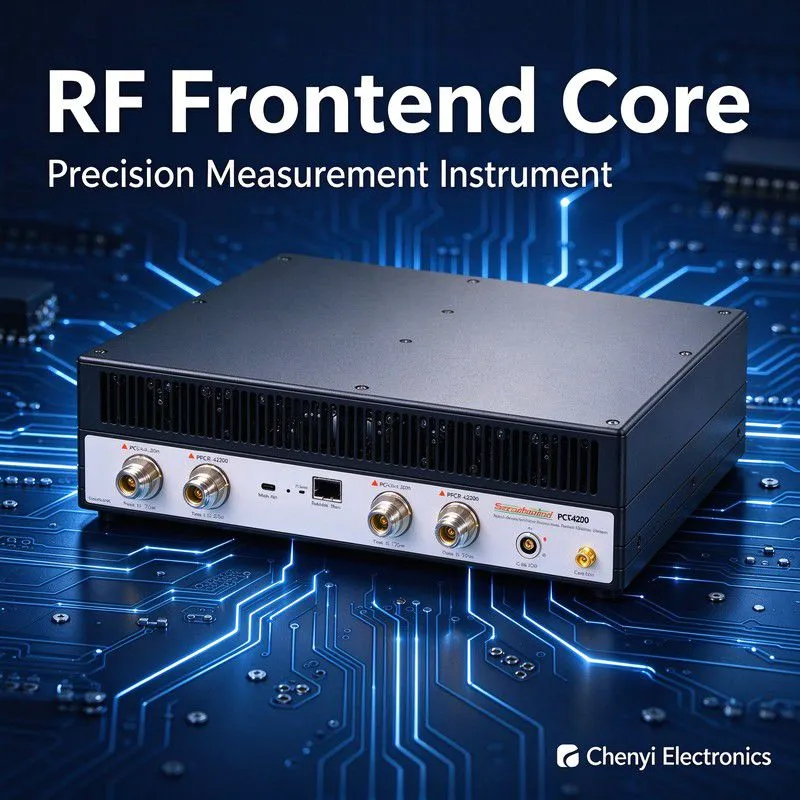
November 23, 2026Signal Hound PCR4200 four-channel phase coherent receiver supplierThe Signal Hound PCR4200's Control Port Connects but the IQ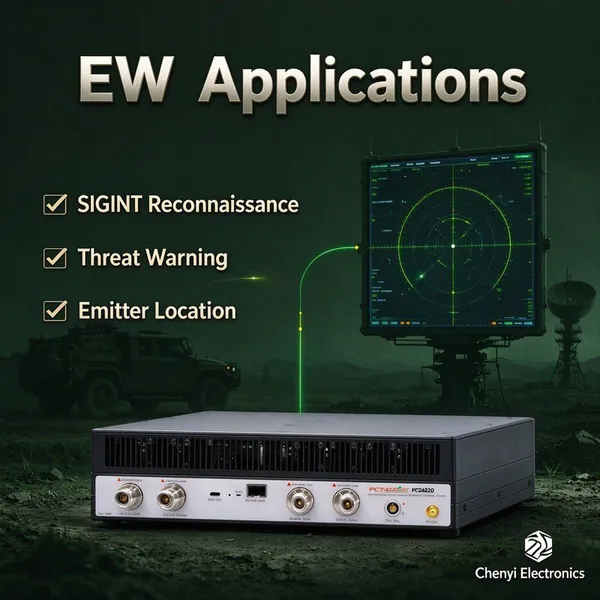 Read More
-
Signal Hound PCR4200 supplier : 90-Min 4-Channel Consistency Acceptance Test for Delivery Inspection
November 23, 2026Signal Hound PCR4200 four-channel phase coherent receiver supplierHow Do You Accept a Fifty-Thousand-Dollar Signal Hound PCR4200 o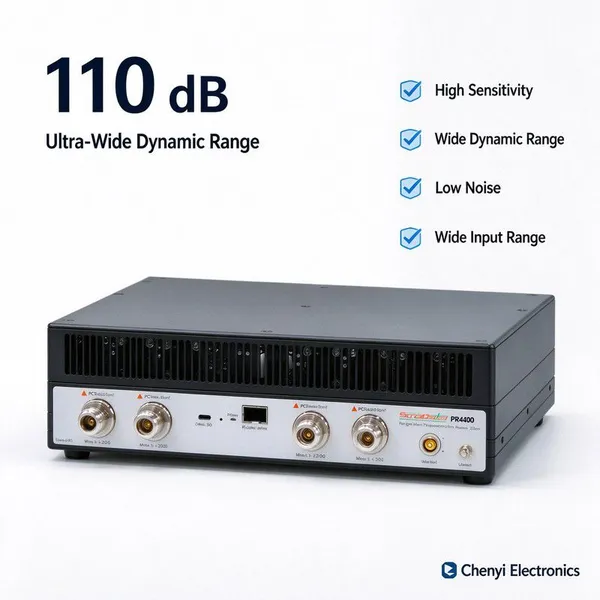 Read More
-
Signal Hound PCR4200 supplier: Two Ports Damaged by Lightning + Hot-Plug with Antenna Array
November 23, 2026Signal Hound PCR4200 four-channel phase coherent receiver supplierThe Signal Hound PCR4200's Four Channels Were Hooked to an A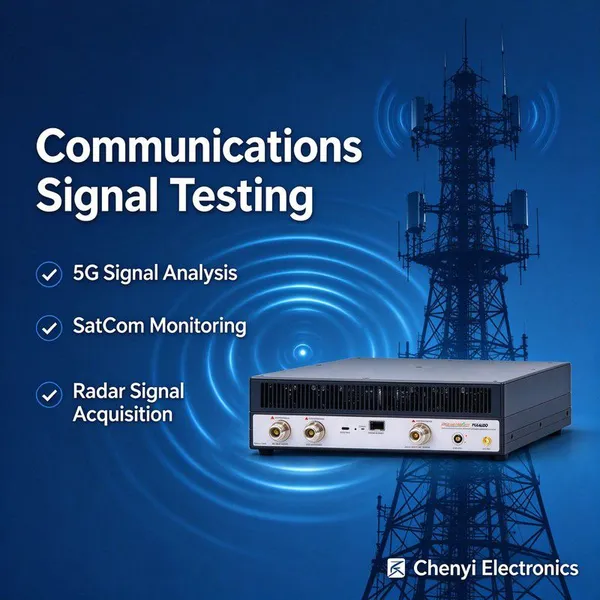 Read More
-
Signal Hound PCR4200 supplier : Spectrum Abnormally Clean or False Peaks from 45 MHz–20 GHz Sub-Octave Preselector
November 23, 2026Signal Hound PCR4200 four-channel phase coherent receiver supplierThe Signal Hound PCR4200 Spectrum Is "Unusually Clean"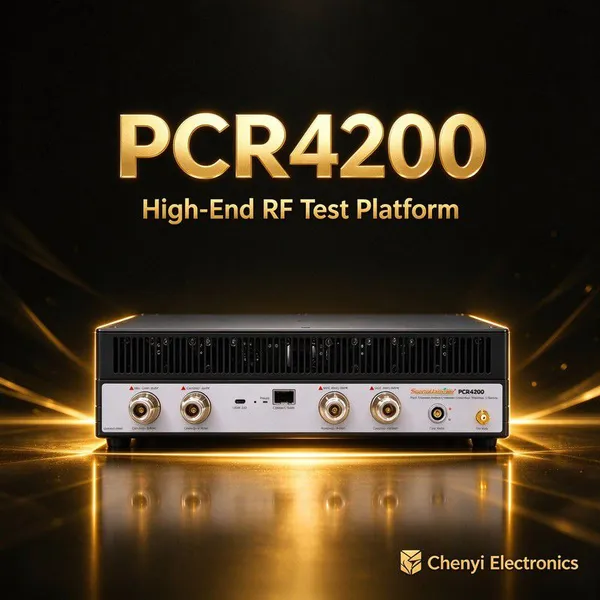 Read More

Contact Us
Recommended Products
-
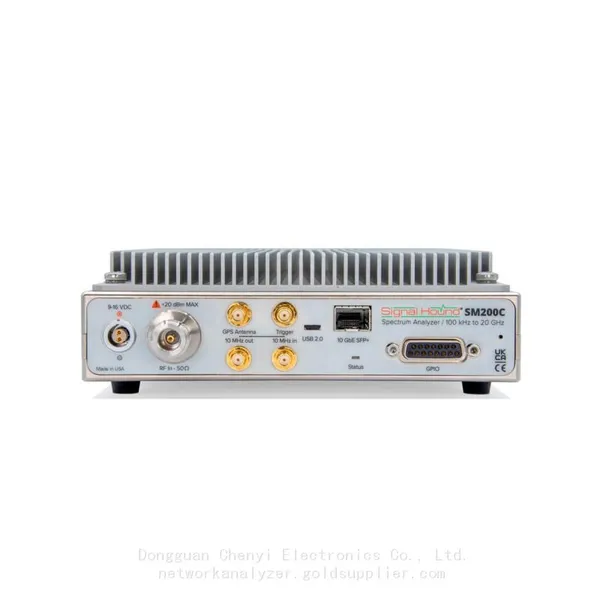
 Signal Hound SM200C 100 KHz to 20 GHz Real-time Spectrum Analyzer With 10GbE Monitoring ReceiversNegotiableMOQ: 1 Unit
-
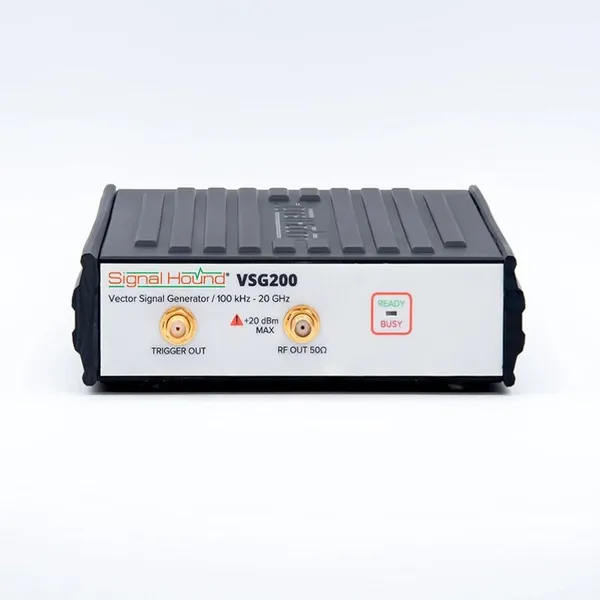
Signal Hound VSG200 Vector Signal Generator 100 KHz to 20 GHzNegotiableMOQ: 1 Unit
-
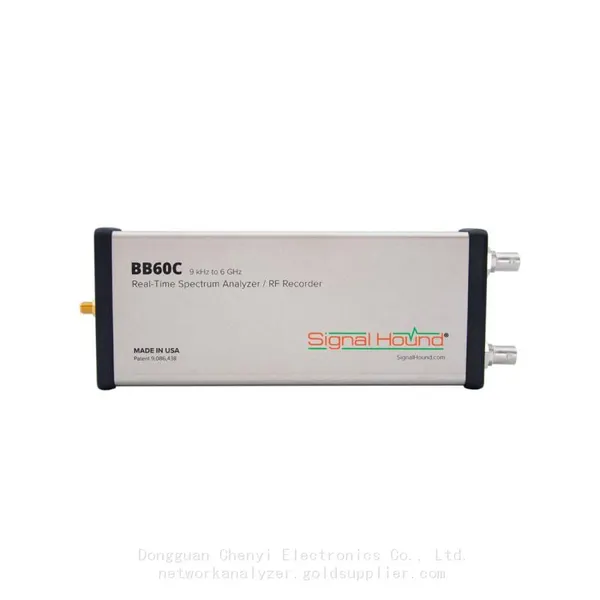
Signal Hound BB60C 9 KHz to 6 GHz Real-time Spectrum AnalyzerNegotiableMOQ: 1 Unit
-
Signal Hound BB60D 9 KHz to 6 GHz Real-time Spectrum AnalyzerNegotiableMOQ: 1 Unit
-
Signal Hound SP145 100 KHz to 14.5 GHz Real-time Spectrum Analyzer Monitoring ReceiversNegotiableMOQ: 1 Unit
-
Signal Hound VSG60A 50 MHz to 6 GHz GHz Vector Signal GeneratorNegotiableMOQ: 1 Unit
-
Signal Hound VSG25A 100 MHz to 2.5 GHz Vector Signal GeneratorNegotiableMOQ: 1 Unit
-
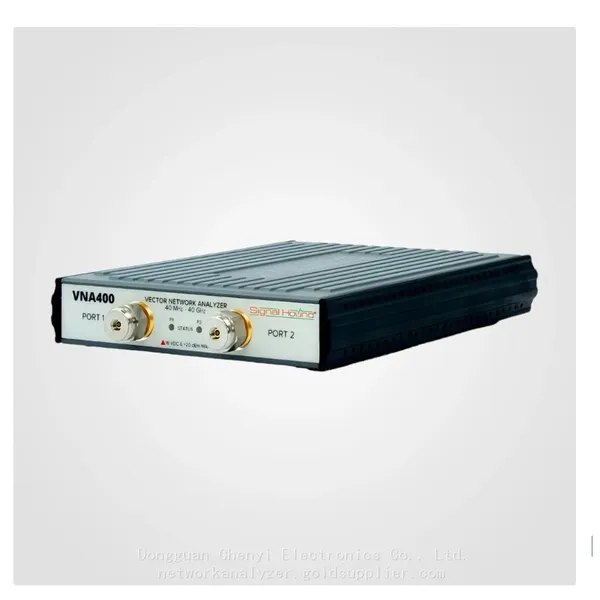
Signal Hound VNA400 40 MHz to 40 GHz 2-port Vector Network AnalyzerNegotiableMOQ: 1 Unit
-
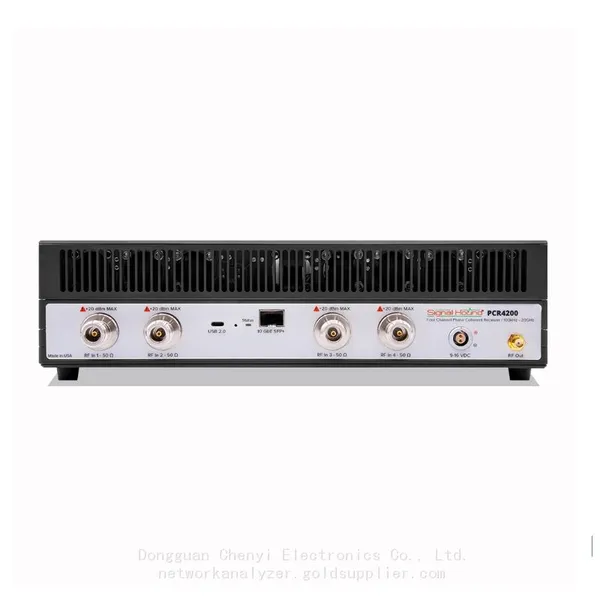
Signal Hound PCR4200 100 KHz to 20 GHz Four-Channel Phase Coherent ReceiverNegotiableMOQ: 1 Unit
-
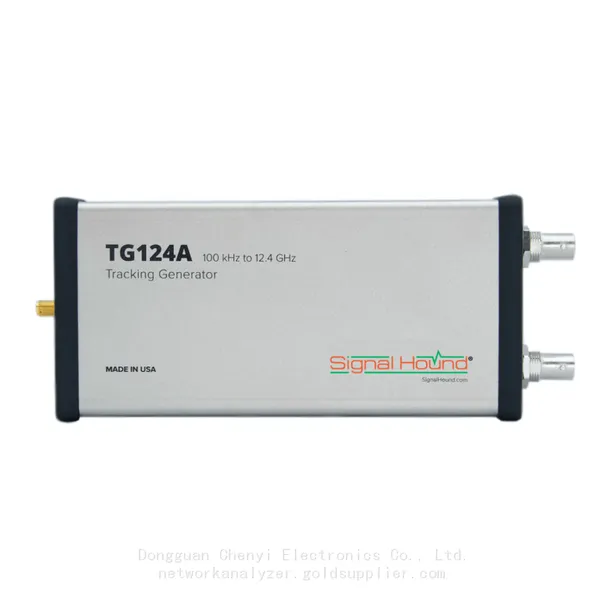
Signal Hound TG124A 100 KHz to 12.4 GHz Tracking GeneratorNegotiableMOQ: 1 Unit
-
Signal Hound TG44A 10 Hz to 4.4 GHz t Tracking GeneratorNegotiableMOQ: 1 Unit
-
Signal Hound SA124B 100 KHz to 12.4 GHz Spectrum AnalyzerNegotiableMOQ: 1 Unit
-
Signal Hound SA44B 1 Hz to 4.4 GHz Spectrum AnalyzerNegotiableMOQ: 1 Unit
-
SM200B Real‑time Spectrum Analyzer,USB3.0 RTSA,100kHz-20GHz,calibrated I/Q Capture for 5G Test & Interference HuntingNegotiableMOQ: 1 Unit
-
Signal Hound SM435C 100 KHz to 43.5GHz Real-time Spectrum Analyzer With 10GbE Monitoring ReceiversNegotiableMOQ: 1 Unit
-
Signal Hound SM435B 100 KHz to 43.5GHz Real-time Spectrum Analyzer Monitoring ReceiversNegotiableMOQ: 1 Unit
-
Signal Hound PN400 Phase Noise and VCO Test System 100 KHz to 43.5 GHzNegotiableMOQ: 1 Unit
-
Keysight E4980A Precision LCR Meter 20 Hz to 2 MHzNegotiableMOQ: 1 Unit
-
Keysight E4980B and E4980BL Precision LCR Meter 20 Hz to 2 MHzNegotiableMOQ: 1 Unit
-
Keysight U1733C Handheld LCR Meter 100Hz 120Hz 1kHz 10kHz 100kHzNegotiableMOQ: 1 Unit