
 Business License

Signal Hound PCR4200 supplier: Two Ports Damaged by Lightning + Hot-Plug with Antenna Array
Signal Hound PCR4200 four-channel phase coherent receiver supplier
The Signal Hound PCR4200's Four Channels Were Hooked to an Antenna Array — One Thunderstorm Plus One "Hot-Plug" Burned Two Ports. Input Protection Discipline for a Coherent Receiver
Symptom
A field-deployed Signal Hound PCR4200: ① after a thunderstorm, two channels show a raised noise floor and degraded sensitivity while the other two are normal; ② during erection, the antenna orientation was adjusted while powered, the feed-line centre pin touched the tower's metalwork, and that channel went silent on the spot; ③ in dry winter weather, a telescopic antenna was just plugged in and the channel went "mute." The same model used indoors for a year is fine; the same model outdoors was hurt twice in half a year.
Root-Cause Analysis
The Signal Hound PCR4200 targets field applications such as drone detection and spectrum monitoring, so its four RF input ports are almost always connected to outdoor antennas — multi-channel means four exposure surfaces, and in a coherent system "lose one channel and the whole array algorithm is dead," so damage to a single port costs more than it would on a single-channel receiver. Three intrusion paths:
Lightning-induced surge: the antenna feed line is itself a receiving antenna for induced lightning, and ground-potential rise when a direct strike drains through the tower destroys ports just the same — the same mechanism as SM435C tower sites, except all four of the PCR4200's ports need protection;
Electrostatic discharge (ESD): in dry environments, body charge travels straight into the input through the antenna or connector; the low-noise front-end parts of a coherent receiver are equally ESD-sensitive;
Overpower and DC: high-power video transmitters or base stations close by feed energy directly into the port; active-antenna bias power (Bias-T) applied without a DC block sends 12 V DC into the mixing front end.
Protection Configuration (Standard Field Kit List)
Three items per channel: ① an RF limiter / lightning arrester (gas-discharge tube plus limiter combination, specified to cover up to 20 GHz, with its insertion loss and VSWR accounted for in the calibration chain); ② a DC-blocking capacitor; ③ a fixed 10–20 dB attenuator (inserted by default in strong-field environments, compensated back into readings via offset). Fit all four channels uniformly — don't protect only the one you "feel" is dangerous;
Grounding and equipotential bonding: ground the feed line before it enters the shelter (one point some distance from the interface plus one right before entry), bond the shelter to an equipotential plane, and ensure arresters drain reliably to earth. Inspect SPD / limiter degradation indicators before each storm season;
ESD handling discipline: discharge yourself (touch grounded metal) before handling antennas or connectors; wear a wrist strap outdoors in dry weather. Cap unused antenna connectors with short-circuit caps;
No live work: before adjusting antenna direction or replacing feed lines, switch off active-antenna bias power and discharge the cable ends;
Calibration linkage: once protection components enter the chain, use the built-in VSG or an external source to calibrate their amplitude and phase into the channel correction table. Protection parts are not "fit and forget" (see the calibration article);
Damage determination: when a single channel shows an abnormal noise floor or phase, first swap that channel's protection components and feed line and re-measure (the protection parts are themselves consumables that age). Only send the unit in for repair once channel damage is confirmed — in coherent applications, a missing channel requires recalibrating the whole group.
Acceptance Criteria
Before a field site goes live, all four checks — limiter, DC block, attenuation, grounding — are completed and photographed for the archive; protection-component condition is inspected before every storm season; port-damage events within six months are zero; the array recalibration procedure is triggered after any channel replacement or protection-component replacement.
Sources: compiled from Signal Hound PCR4200 field-application positioning (drone detection / spectrum monitoring, multi-channel antenna connections) and general practice for RF front-end surge and ESD protection.
WhatsApp:+85268839563

Recently Posted
-
Signal Hound PCR4200 supplier : Control Port Connected but IQ Stream Garbled — VITA-49 Integration Issue
November 23, 2026Signal Hound PCR4200 four-channel phase coherent receiver supplierThe Signal Hound PCR4200's Control Port Connects but the IQ Read More
-
Signal Hound PCR4200 supplier : 90-Min 4-Channel Consistency Acceptance Test for Delivery Inspection
November 23, 2026Signal Hound PCR4200 four-channel phase coherent receiver supplierHow Do You Accept a Fifty-Thousand-Dollar Signal Hound PCR4200 o Read More
-
Signal Hound PCR4200 supplier : Spectrum Abnormally Clean or False Peaks from 45 MHz–20 GHz Sub-Octave Preselector
November 23, 2026Signal Hound PCR4200 four-channel phase coherent receiver supplierThe Signal Hound PCR4200 Spectrum Is "Unusually Clean" Read More
-
Signal Hound PCR4200: Coherent Accuracy Lost & Resource Contention Error When Four Channels Set to Different Frequencies supplier
November 23, 2026Signal Hound PCR4200 four-channel phase coherent receiver supplierAfter Setting the Four Signal Hound PCR4200 Channels to Four Dif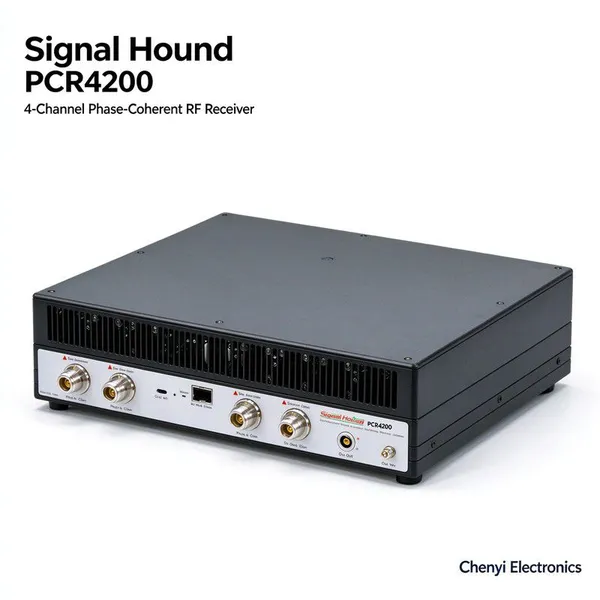 Read More

Contact Us
Recommended Products
-
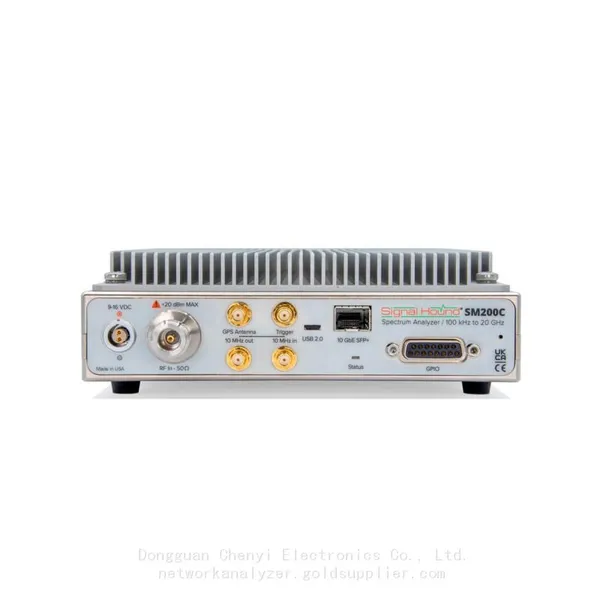
 Signal Hound SM200C 100 KHz to 20 GHz Real-time Spectrum Analyzer With 10GbE Monitoring ReceiversNegotiableMOQ: 1 Unit
-
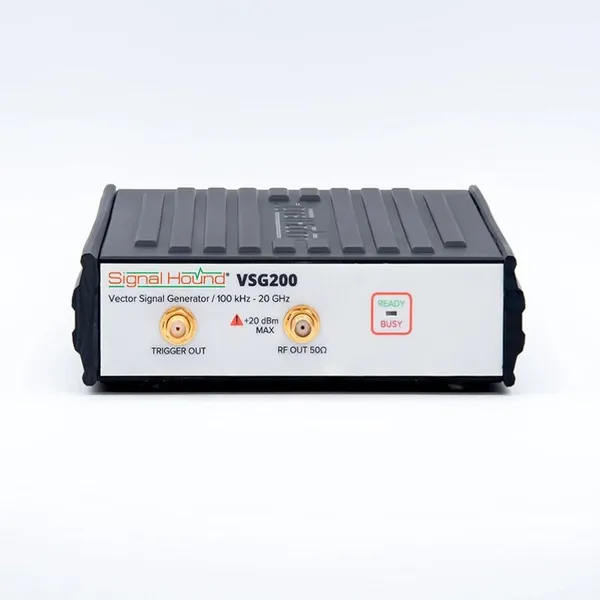
Signal Hound VSG200 Vector Signal Generator 100 KHz to 20 GHzNegotiableMOQ: 1 Unit
-
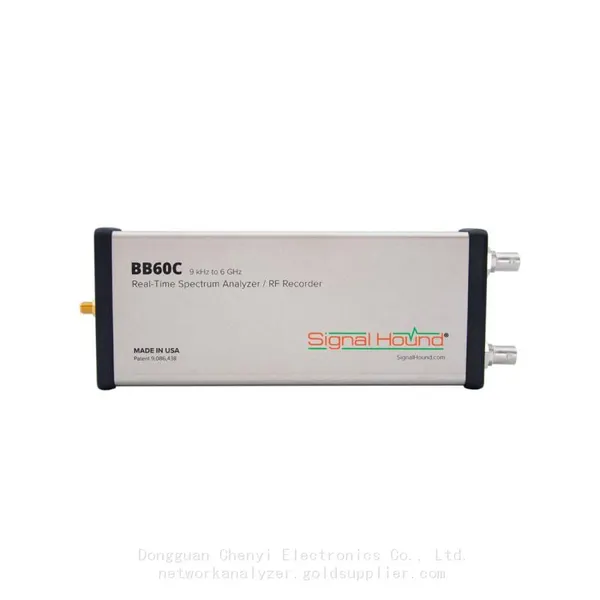
Signal Hound BB60C 9 KHz to 6 GHz Real-time Spectrum AnalyzerNegotiableMOQ: 1 Unit
-
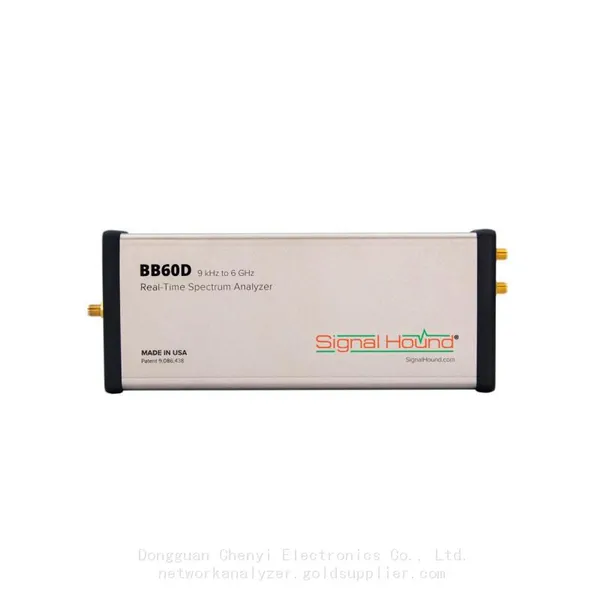
Signal Hound BB60D 9 KHz to 6 GHz Real-time Spectrum AnalyzerNegotiableMOQ: 1 Unit
-
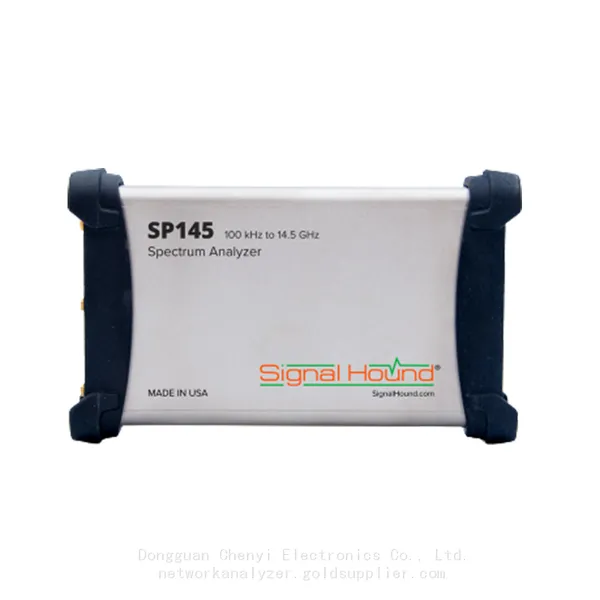
Signal Hound SP145 100 KHz to 14.5 GHz Real-time Spectrum Analyzer Monitoring ReceiversNegotiableMOQ: 1 Unit
-
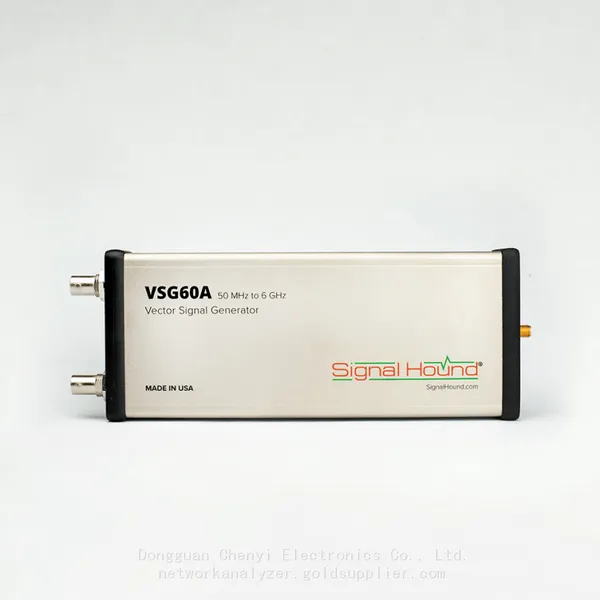
Signal Hound VSG60A 50 MHz to 6 GHz GHz Vector Signal GeneratorNegotiableMOQ: 1 Unit
-
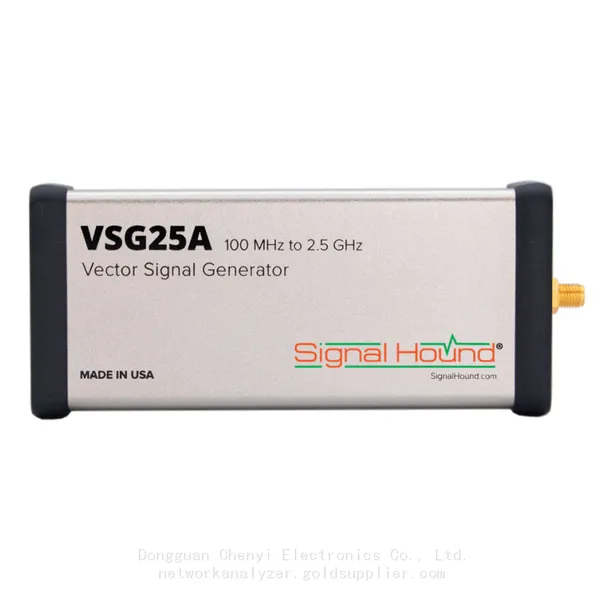
Signal Hound VSG25A 100 MHz to 2.5 GHz Vector Signal GeneratorNegotiableMOQ: 1 Unit
-
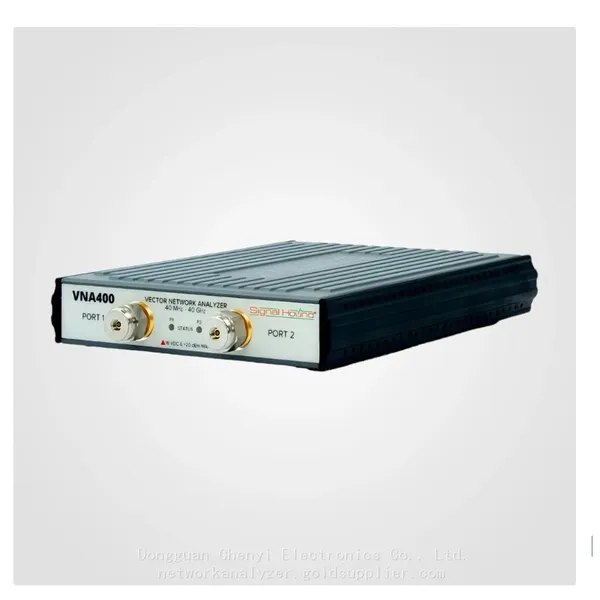
Signal Hound VNA400 40 MHz to 40 GHz 2-port Vector Network AnalyzerNegotiableMOQ: 1 Unit
-
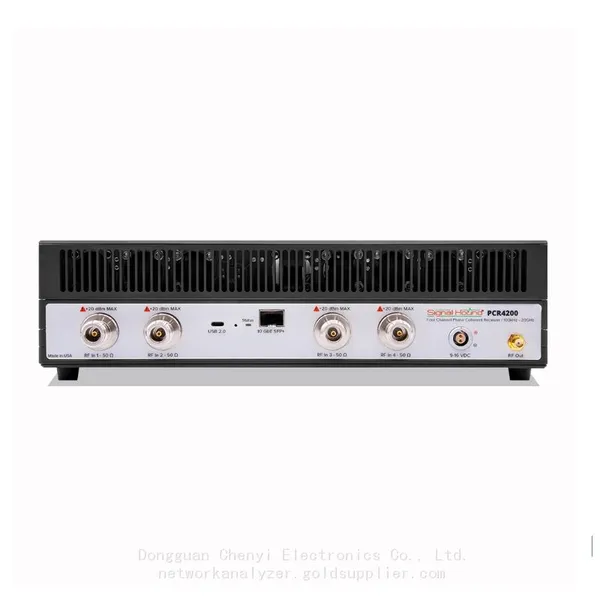
Signal Hound PCR4200 100 KHz to 20 GHz Four-Channel Phase Coherent ReceiverNegotiableMOQ: 1 Unit
-
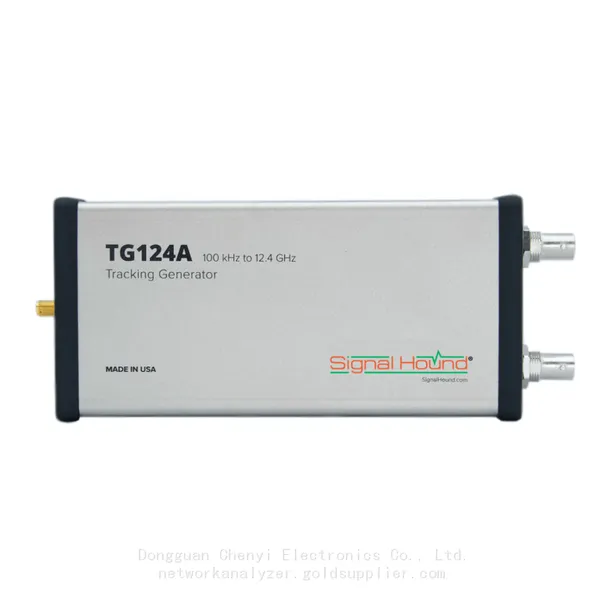
Signal Hound TG124A 100 KHz to 12.4 GHz Tracking GeneratorNegotiableMOQ: 1 Unit
-
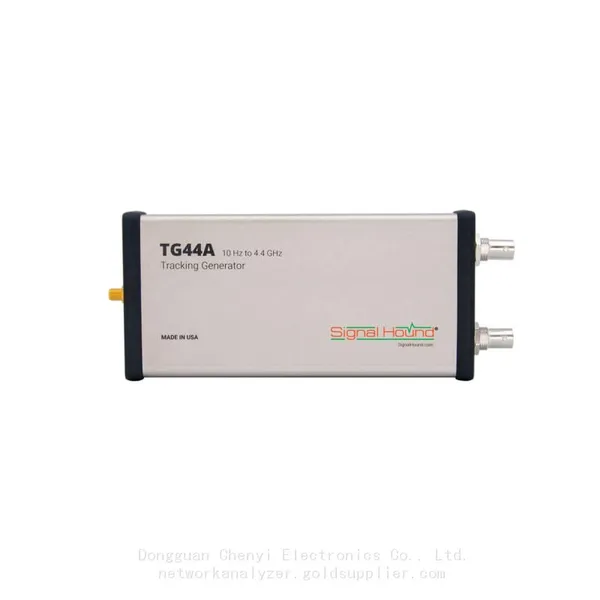
Signal Hound TG44A 10 Hz to 4.4 GHz t Tracking GeneratorNegotiableMOQ: 1 Unit
-
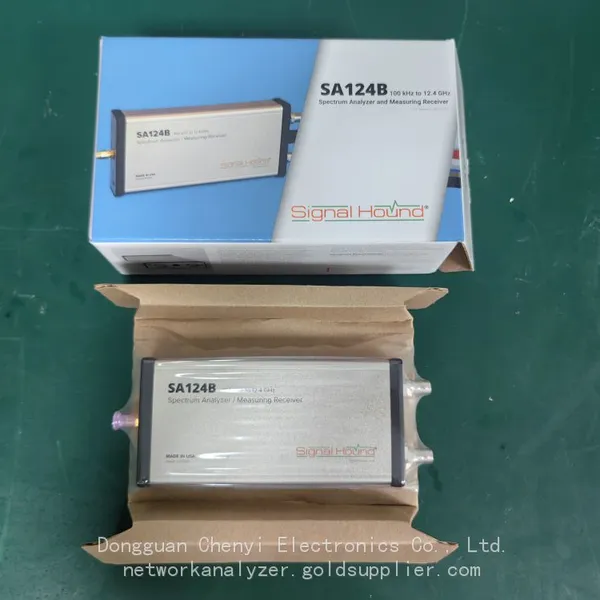
Signal Hound SA124B 100 KHz to 12.4 GHz Spectrum AnalyzerNegotiableMOQ: 1 Unit
-
Signal Hound SA44B 1 Hz to 4.4 GHz Spectrum AnalyzerNegotiableMOQ: 1 Unit
-
SM200B Real‑time Spectrum Analyzer,USB3.0 RTSA,100kHz-20GHz,calibrated I/Q Capture for 5G Test & Interference HuntingNegotiableMOQ: 1 Unit
-
Signal Hound SM435C 100 KHz to 43.5GHz Real-time Spectrum Analyzer With 10GbE Monitoring ReceiversNegotiableMOQ: 1 Unit
-
Signal Hound SM435B 100 KHz to 43.5GHz Real-time Spectrum Analyzer Monitoring ReceiversNegotiableMOQ: 1 Unit
-
Signal Hound PN400 Phase Noise and VCO Test System 100 KHz to 43.5 GHzNegotiableMOQ: 1 Unit
-
Keysight E4980A Precision LCR Meter 20 Hz to 2 MHzNegotiableMOQ: 1 Unit
-
Keysight E4980B and E4980BL Precision LCR Meter 20 Hz to 2 MHzNegotiableMOQ: 1 Unit
-
Keysight U1733C Handheld LCR Meter 100Hz 120Hz 1kHz 10kHz 100kHzNegotiableMOQ: 1 Unit