
 Business License

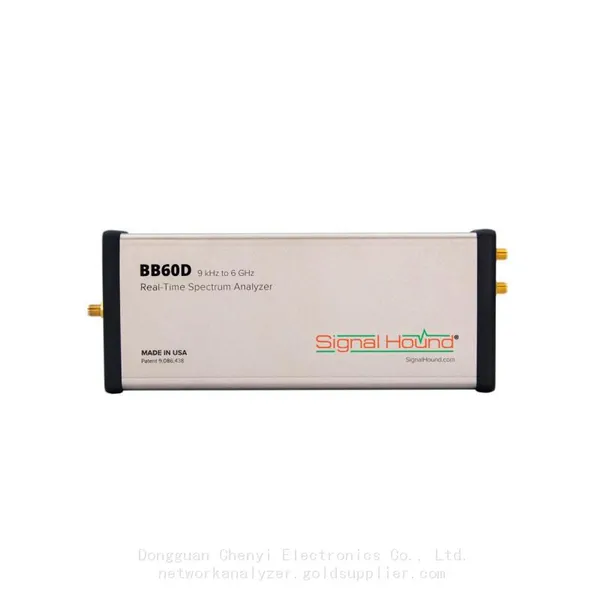
The Signal Hound BB60D's IQ Stream Bandwidth Goes All the Way Down to 4 kHz, Far Below the BB60C's 250 kHz
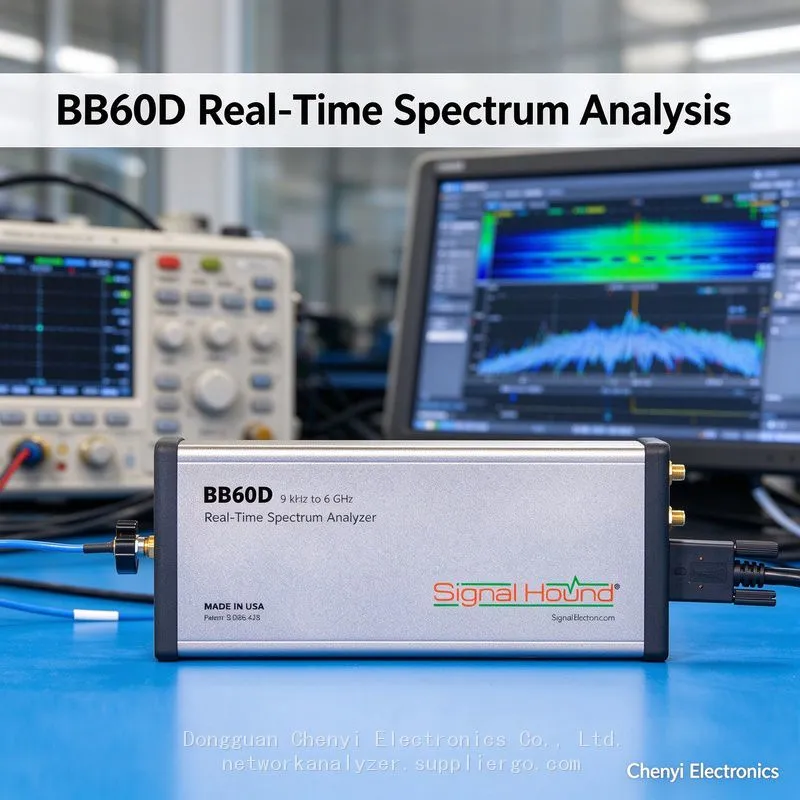
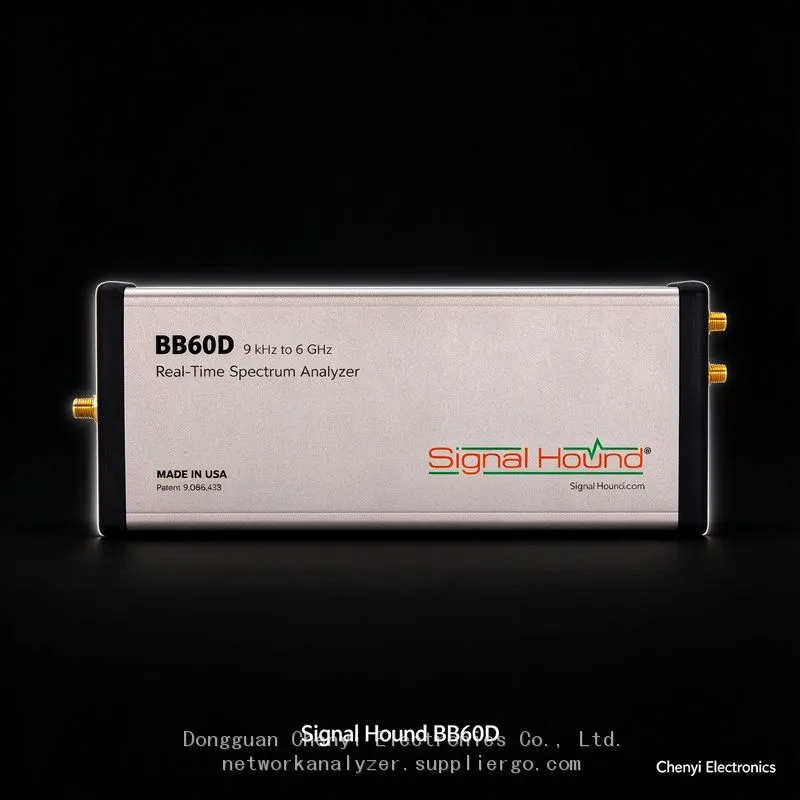
Signal Hound BB60D real-time spectrum analyzer supplier
The Signal Hound BB60D's IQ Stream Bandwidth Goes All the Way Down to 4 kHz, Far Below the BB60C's 250 kHz — Correct Use of Narrowband Capture and Phase-Noise Measurement
Symptom
① A user migrating from a BB60C to a BB60D reuses the old program / IQ recording configuration unchanged. They want to measure radio sub-audible tones, narrowband power-line communication signals, or observe close-in phase noise, and when they set the IQ sample rate to 10 kHz / 20 kHz the legacy code errors out or the data read back is "a screenful of garbage." ② Some users do not know the BB60D supports ultra-slow IQ down to the 4 kHz class and still capture at 27 MHz wide bandwidth, then "digitally downconvert and decimate in software," wasting disk space and compute for nothing. ③ Measuring phase noise with narrowband IQ, the low-offset data does not agree with the spectrum-analyzer trace.
Root-Cause Analysis
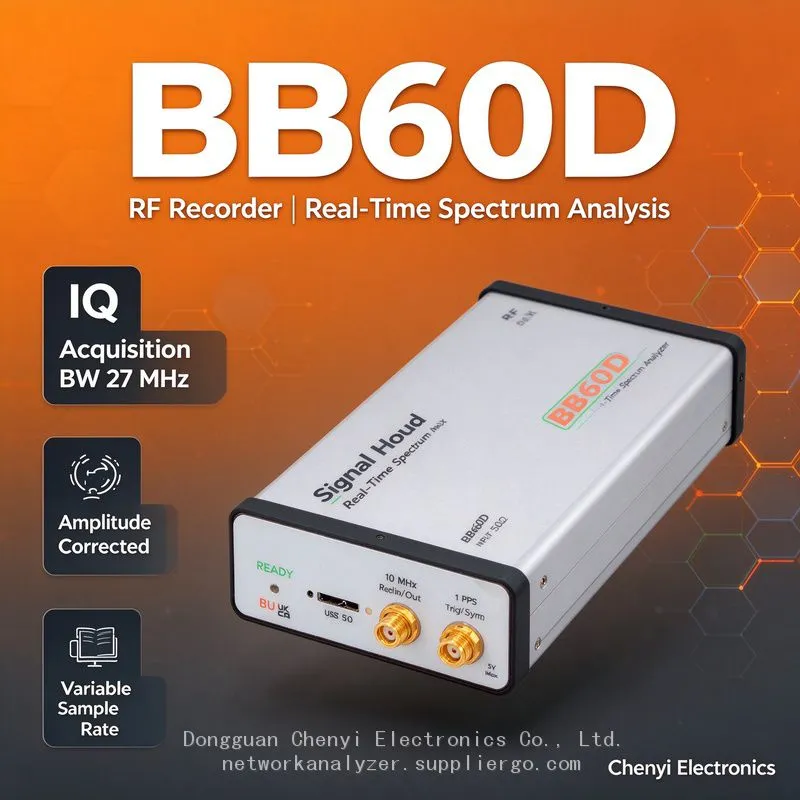
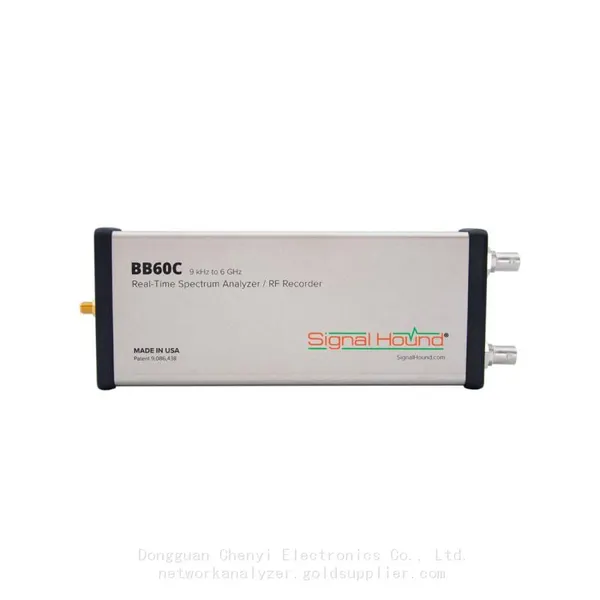
Published specification comparison: the BB60C's IQ acquisition bandwidth is 250 kHz–27 MHz; the BB60D's is 4 kHz–27 MHz (per official distributor spec wording; defer to the manual shipped with the unit). Pulling that floor down to 4 kHz is precisely one of the BB60D's less-advertised upgrades over the C model, and combined with the LO phase-noise improvement it enables direct close-in phase-noise observation at very narrow IQ bandwidth, plus long-duration recording of low-rate data streams. Common misuses:
Out-of-range parameters inherited from old code: legacy code hard-codes the BB60C's minimum legal sample rate (250 kHz), so on the BB60D the problem reverses — requesting anything below 250 kHz is rejected by the old enumeration table. Some in-house programs add custom validation such as "sample rate must be a power of two," which kills off the new 4 kHz–250 kHz range entirely.
Wrong display scaling on narrowband capture: at a 4 kHz IQ bandwidth the per-bin frequency-axis resolution differs from spectrum mode, yet the program still computes the scale using wideband assumptions, so every spectral line lands in the wrong place.
Confusing two different phase-noise conventions: the phase-noise spectral density derived from IQ data (computed in the time domain) versus Spike's spectrum-analyzer reading in dBc/Hz involves RBW / window function / sample-rate normalisation — mismatched conventions guarantee that the numbers "do not agree."
DC and flicker regions at low rates: extremely low offsets (<10 Hz to a few hundred Hz) are dominated by record length and 1/f statistics; short records cannot produce credible low-frequency data, which gets misread as "poor close-in phase noise on the device."
Correct Usage
Unit-test the new range first: capture 60 s of IQ at each of 4 k / 10 k / 50 k / 100 k / 250 kHz, checking sample-count rate, spectral scaling, and phase continuity. If all pass, hardware and driver are healthy and the problem is back in your own code's parameter validation.
Code-modification checklist: replace the hard-coded legal sample-rate table with a capability query against the device (enumerate capability parameters via the API) and delete the fixed lower limit; confirm bit width / interleaving format matches the C model before reusing existing parsers.
Validate phase-noise work with two parallel methods: solve phase noise over the 100 Hz–5 kHz offset region from narrowband IQ (e.g. 20 kHz) and compare against Spike's built-in phase-noise measurement on the same carrier and same DUT — a deviation ≤2–3 dB means the chain is trustworthy (for the closest-in offsets, still follow the instrument manual's method).
Save space on long low-rate recordings: when monitoring narrowband signals or slowly changing spectra, use the low-rate IQ stream directly (disk write volume drops by two orders of magnitude) instead of "capture wide, then decimate."
Budget record length for low offsets: to look at offsets <100 Hz, single record lengths need to reach tens of seconds to minutes; configure "long record + low rate" and ensure the clock source is disciplined (an external 10 MHz reference is better), otherwise the low-frequency region's statistics are distorted.
Acceptance Criteria
Spot verification passes across the entire 4 kHz–27 MHz range; the in-house program switches to capability querying so one code base serves both old and new devices; for the low-offset phase-noise region the deliverable includes a "record length / statistical confidence" note rather than a bare curve.
(Based on Signal Hound BB60D published specifications (IQ bandwidth 4 kHz–27 MHz) compared with the BB60C (250 kHz–27 MHz); defer to the datasheet shipped with the unit.)
Recently Posted
-
Signal Hound BB60C IQ Recording Fails Mid-Session, Files Are Full of Gaps, or Recording Stops Early — The Problem Is the PC ,supplier
November 19, 2026Signal Hound BB60C real-time spectrum analyzer supplierSignal Hound BB60C IQ Recording Fails Mid-Session, Files Are Full of Gaps,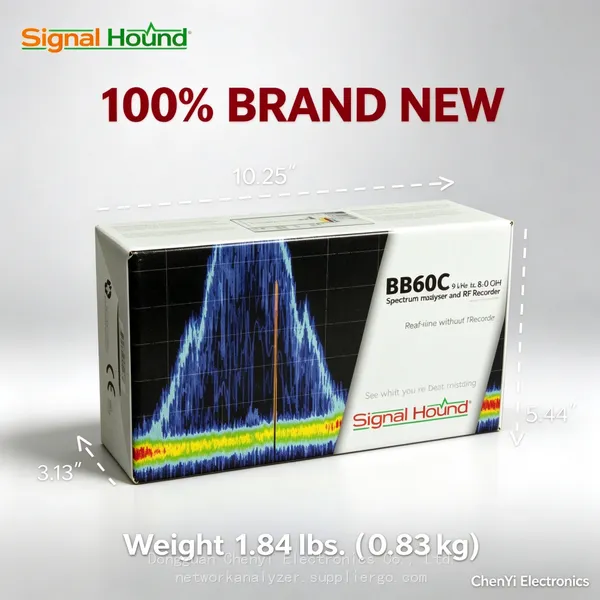 Read More
-
Signal Hound BB60C Is Plugged In but Spike Finds No Device — The LED Flashes Red/Green. How Do I Fix This? supplier
November 19, 2026Signal Hound BB60C real-time spectrum analyzer supplierSignal Hound BB60C Is Plugged In but Spike Finds No Device — The LED Flashe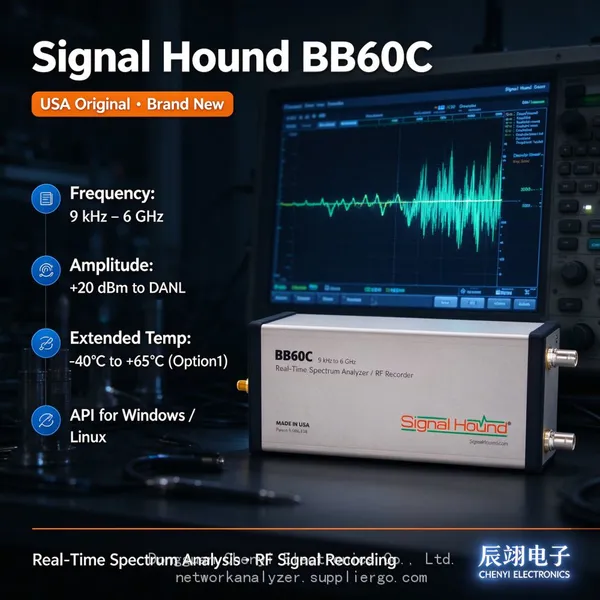 Read More
-
I Already Own a Signal HoundBB60C — Should I Move Up to the Signal Hound BB60D? Signal Hound BB60D real-time spectrum analyzer supplier
November 19, 2026Signal Hound BB60D real-time spectrum analyzer supplierI Already Own a Signal HoundBB60C — Should I Move Up to the Signal Hound BB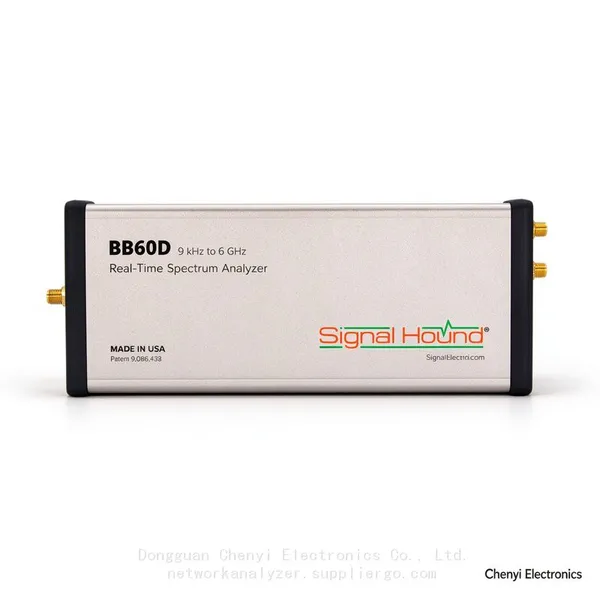 Read More
-
Monitoring the Satellite IF Band (950–2150 MHz) with a Signal Hound BB60D real-time spectrum analyzer supplier
November 19, 2026Signal Hound BB60D real-time spectrum analyzer supplierMonitoring the Satellite IF Band (950–2150 MHz) with a Signal Hound BB60D —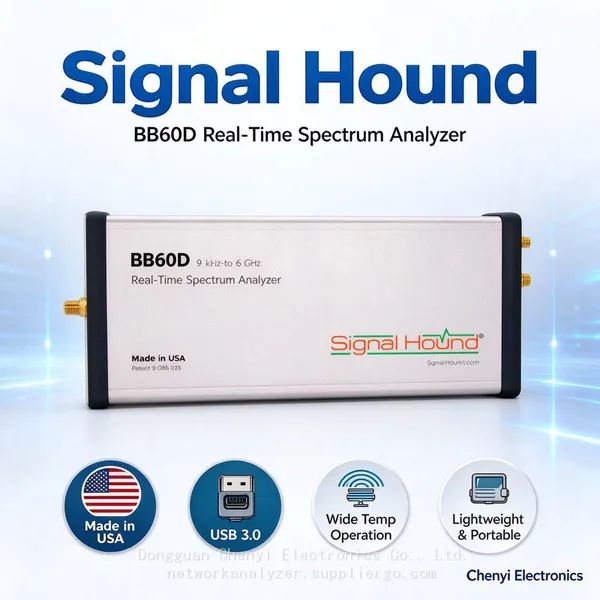 Read More

Contact Us
Recommended Products
-
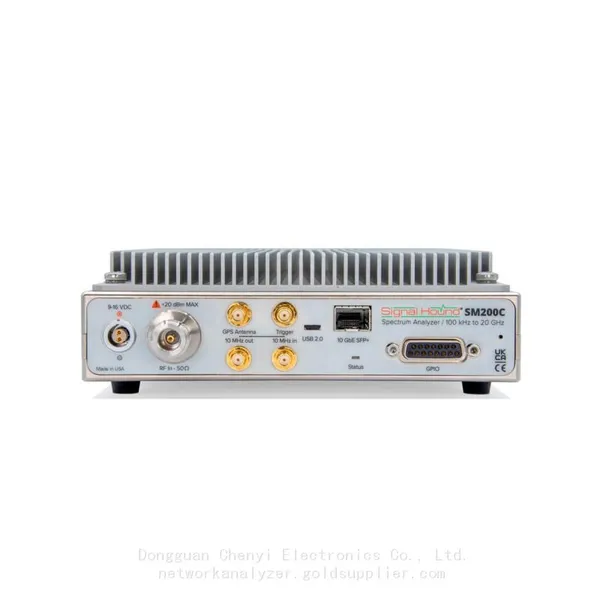
 Signal Hound SM200C 100 KHz to 20 GHz Real-time Spectrum Analyzer With 10GbE Monitoring ReceiversNegotiableMOQ: 1 Unit
-
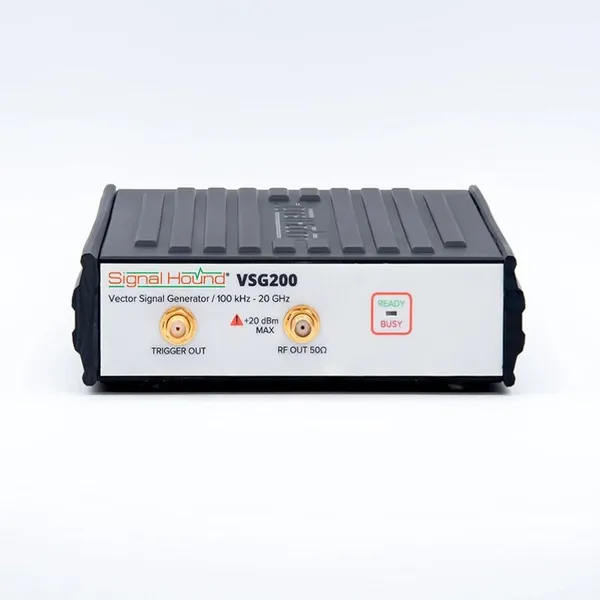
Signal Hound VSG200 Vector Signal Generator 100 KHz to 20 GHzNegotiableMOQ: 1 Unit
-
Signal Hound BB60C 9 KHz to 6 GHz Real-time Spectrum AnalyzerNegotiableMOQ: 1 Unit
-
Signal Hound BB60D 9 KHz to 6 GHz Real-time Spectrum AnalyzerNegotiableMOQ: 1 Unit
-
Signal Hound SP145 100 KHz to 14.5 GHz Real-time Spectrum Analyzer Monitoring ReceiversNegotiableMOQ: 1 Unit
-
Signal Hound VSG60A 50 MHz to 6 GHz GHz Vector Signal GeneratorNegotiableMOQ: 1 Unit
-
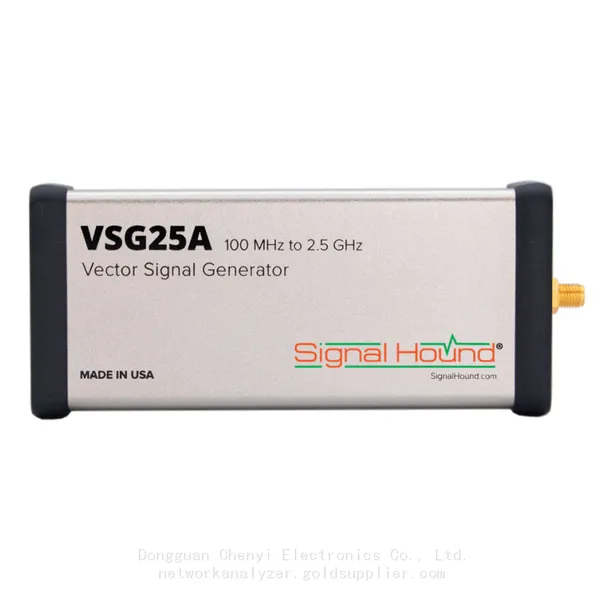
Signal Hound VSG25A 100 MHz to 2.5 GHz Vector Signal GeneratorNegotiableMOQ: 1 Unit
-
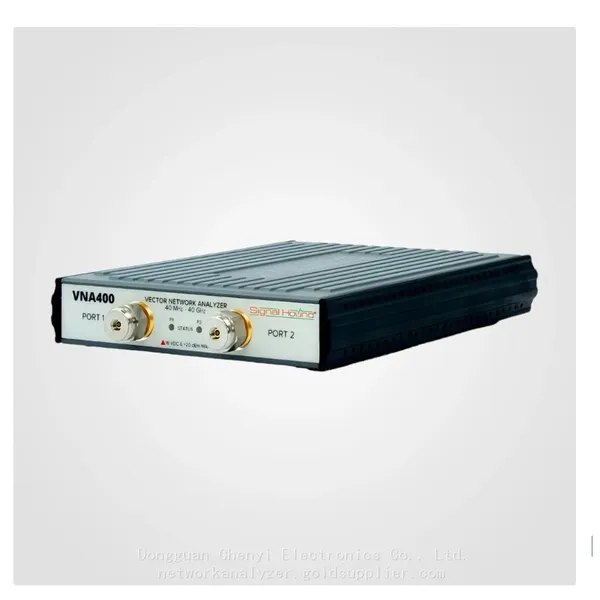
Signal Hound VNA400 40 MHz to 40 GHz 2-port Vector Network AnalyzerNegotiableMOQ: 1 Unit
-
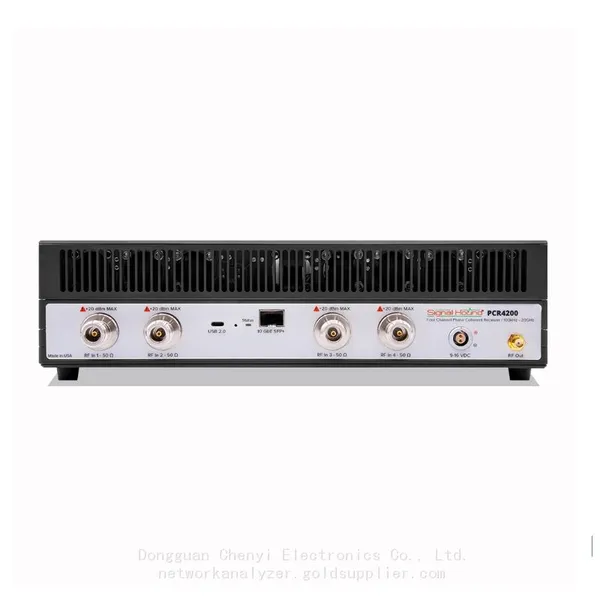
Signal Hound PCR4200 100 KHz to 20 GHz Four-Channel Phase Coherent ReceiverNegotiableMOQ: 1 Unit
-
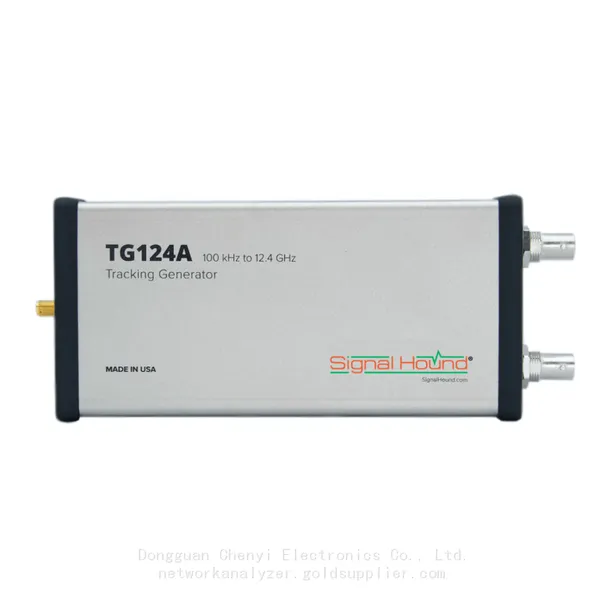
Signal Hound TG124A 100 KHz to 12.4 GHz Tracking GeneratorNegotiableMOQ: 1 Unit
-
Signal Hound TG44A 10 Hz to 4.4 GHz t Tracking GeneratorNegotiableMOQ: 1 Unit
-
Signal Hound SA124B 100 KHz to 12.4 GHz Spectrum AnalyzerNegotiableMOQ: 1 Unit
-
Signal Hound SA44B 1 Hz to 4.4 GHz Spectrum AnalyzerNegotiableMOQ: 1 Unit
-
SM200B Real‑time Spectrum Analyzer,USB3.0 RTSA,100kHz-20GHz,calibrated I/Q Capture for 5G Test & Interference HuntingNegotiableMOQ: 1 Unit
-
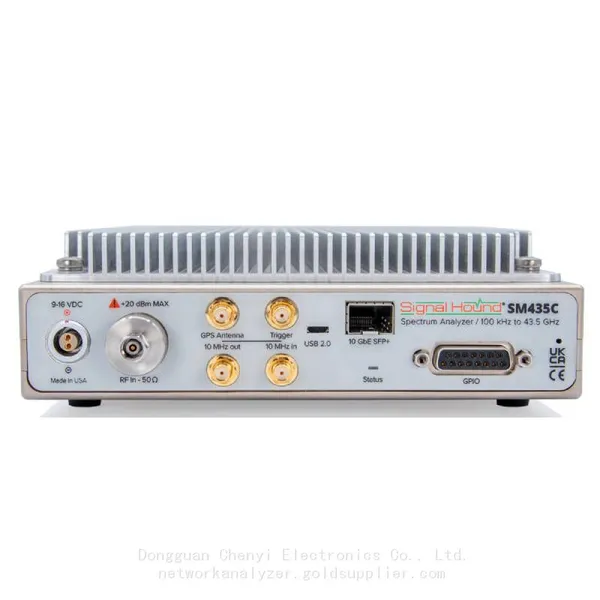
Signal Hound SM435C 100 KHz to 43.5GHz Real-time Spectrum Analyzer With 10GbE Monitoring ReceiversNegotiableMOQ: 1 Unit
-
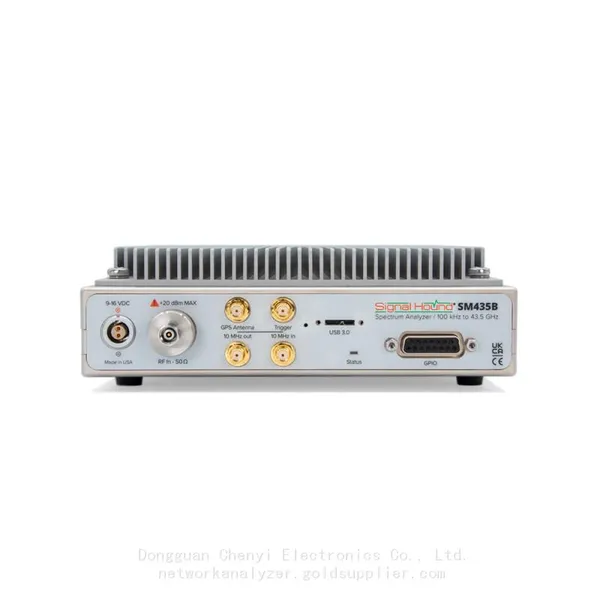
Signal Hound SM435B 100 KHz to 43.5GHz Real-time Spectrum Analyzer Monitoring ReceiversNegotiableMOQ: 1 Unit
-
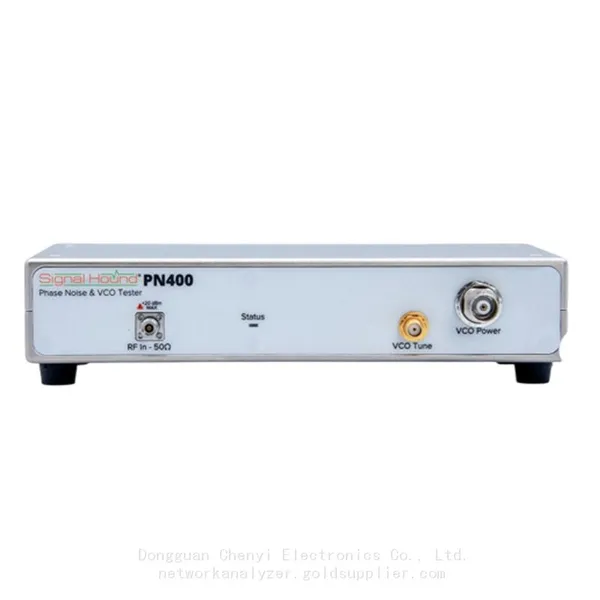
Signal Hound PN400 Phase Noise and VCO Test System 100 KHz to 43.5 GHzNegotiableMOQ: 1 Unit
-
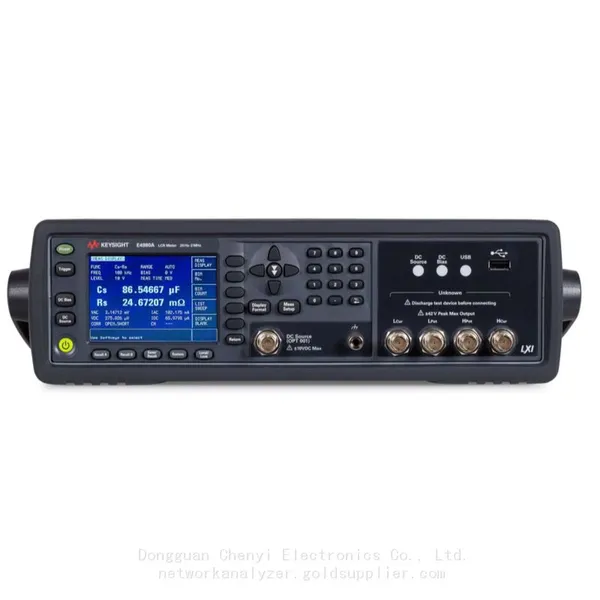
Keysight E4980A Precision LCR Meter 20 Hz to 2 MHzNegotiableMOQ: 1 Unit
-
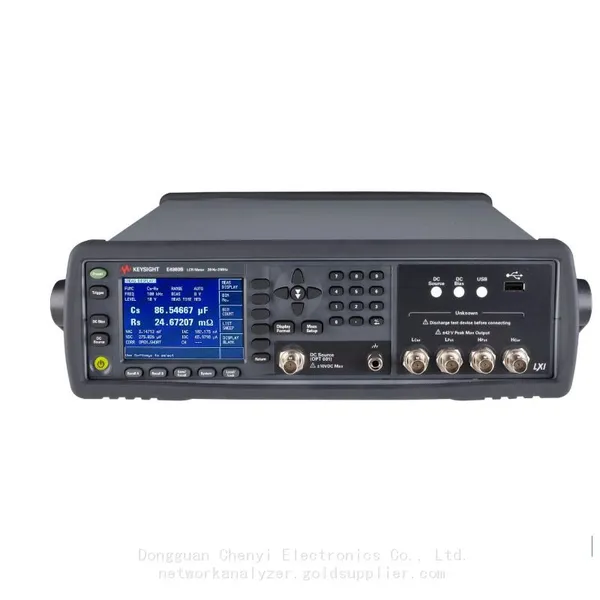
Keysight E4980B and E4980BL Precision LCR Meter 20 Hz to 2 MHzNegotiableMOQ: 1 Unit
-
Keysight U1733C Handheld LCR Meter 100Hz 120Hz 1kHz 10kHz 100kHzNegotiableMOQ: 1 Unit