
 Business License

Signal Hound SA44B HF /ham monitoring: dirty spectrum with comb spurs — overload and intermodulation fixes,supplier
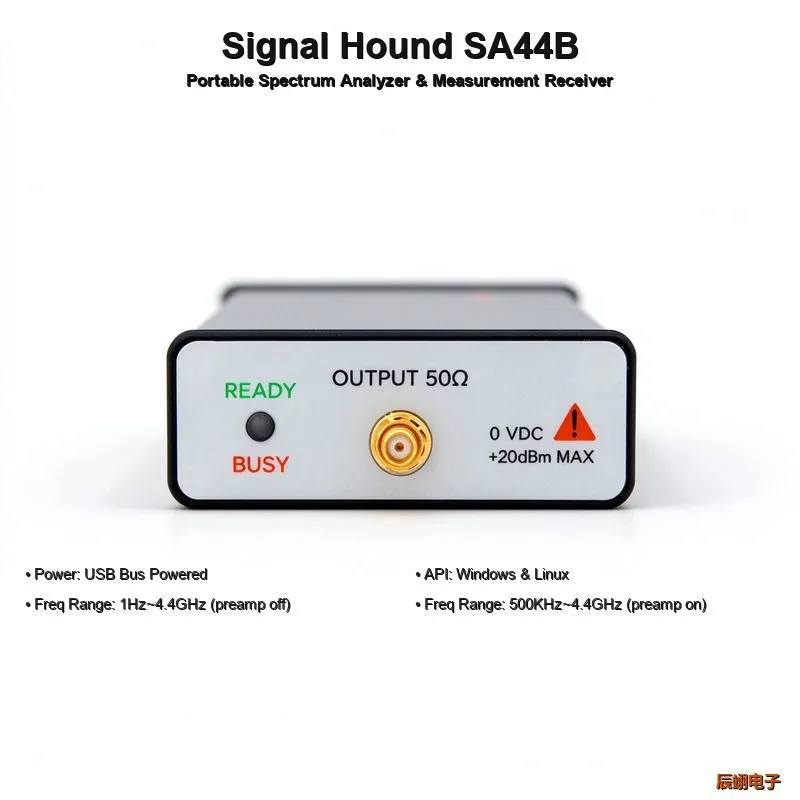
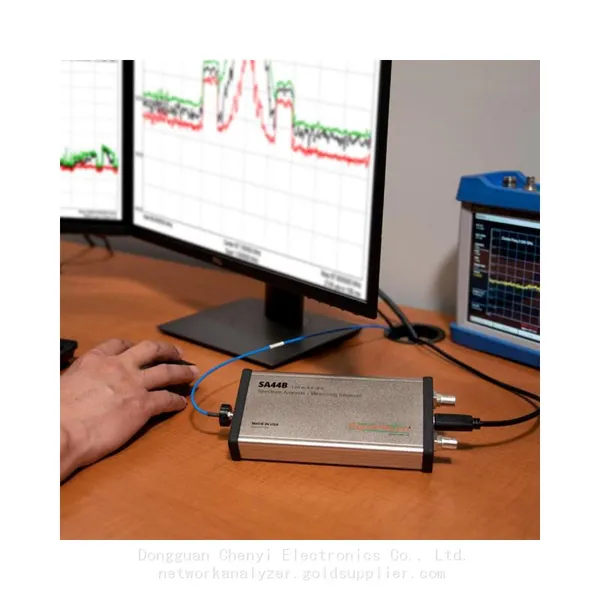
Signal Hound SA44B spectrometer and measuring receiver supplier
Using the Signal Hound SA44B for HF Band Monitoring / Amateur Radio Reception, the Whole Spectrum Comes Out "Dirty" and Full of Comb Lines — How to Fix Strong-Station Overload and Intermodulation?
Symptom
Hobbyists and monitoring users connect the Signal Hound SA44B to a long wire antenna to look at the 3.5–30 MHz HF bands. The noise floor sits a lot higher than expected. Comb lines and evenly spaced spikes cover the screen, and they get noticeably worse near a local FM broadcast transmitter site. After adding a preselector or external tuner, some frequency points suddenly look "clean to the point of being wrong". Some suspect the instrument's low band is broken, yet a 1 GHz test signal measures perfectly.
Root Cause Analysis
Because of its 1 Hz lower limit, high sensitivity and friendly price, the SA44B is widely used as a wideband receive front end in the HF monitoring and amateur radio community. But connecting an antenna directly to measure HF was never about "not seeing the signal" — it is about "seeing it far too dirty":
Strong broadcasters compress the front end: field strength near FM broadcast (88–108 MHz) or medium-wave transmitter towers can reach millivolt levels. The SA44B's maximum input is +10 dBm and headroom shrinks further with the preamp enabled. When the front end compresses, the entire noise floor gets pushed up, which looks like broadband noise-floor elevation across all bands;
Intermodulation comb: several strong broadcast signals intermodulate in the instrument's front end (or in a corroded feeder connector) and generate rows of equally spaced false signals inside the HF band. "The stronger the signals, the denser the comb" is the intermod fingerprint;
A long wire has no selectivity: a 30-metre random wire acts as an "all-band collector", taking in lightning, switching supplies and broadcasting alike. With a direct broadband connection, out-of-band energy suffers no attenuation whatsoever;
Low-frequency boundary of the spur-suppression algorithm: the SA series' dual-LO image/spur rejection is aimed primarily at its designed working region. Below 500 kHz, in the direct-measurement segment, you rely much more on external filtering. The official community also notes that spur suppression can be disabled during low-power precision measurement — do not confuse the two;
Ground bonds and common-mode current: the feeder shield carries common-mode current into the instrument (same mechanism as the low-frequency comb article), and in HF scenarios it is messier than mains because it contains transmitter harmonics.
Remedies (ordered by cost)
Add fixed attenuation first: insert a 10–20 dB attenuator between antenna and instrument — trading a little sensitivity for the linear region improves most "dirty spectra" instantly. Remember to add an Offset compensation in the software when reading levels;
Preselect with filtering: after the attenuator, add a bandpass or highpass for the target HF band (for example a 1 MHz–30 MHz bandpass, or a notch targeting the FM broadcast segment) to block strong broadcasters at the source;
Common-mode choke on the feeder: wind the feeder 5–8 turns through a ferrite choke before it enters the instrument to kill shield-borne common mode. De-rust and tighten connectors, and provide a drip loop outdoors;
Optimize the antenna end: use a dipole plus balun instead of a random long wire. Raise it, keep it away from power lines and switching supplies. Switch off high-power transmitting equipment outside the receive band once and compare, to identify "who owns the comb";
Instrument-side configuration: keep the preamp OFF when measuring strong HF signals; set RBW sensibly for the target channel and enable sweep averaging; use Max Hold to separate persistent interference from intermittent events (lightning and the like);
Verify the instrument itself: disconnect the antenna, terminate with a 50 Ω load and measure the residual noise floor — matching the spec curve means the instrument is fine and the dirt belongs to the world in front of it. Then inject a CW from a signal generator to confirm sensitivity is normal.
Positioning Script
The correct way to use the SA44B for HF monitoring is as a filtered, preselected wideband receive analysis end, not as a self-tuning omnidirectional receiver. Hand hobbyist users an "attenuator + notch filter + ferrite choke" three-piece configuration list — it doubles as the after-sales fix and as a natural accessory sale.
Sources: compiled from the Signal Hound SA44B specification (1 Hz lower limit, +10 dBm maximum input, preamp from 500 kHz, software spur/image suppression) and general engineering practice for HF reception.
WhatsApp:+85268839563
Recently Posted
-
Micro‑USB port intermittent connection and mechanical wobble when cable is moved — instrument-side shell failure prevention,supplier
November 27, 2026Signal Hound SA44B spectrometer and measuring receiver supplierThe Connection Drops Whenever the Cable Is Nudged, and Eventually t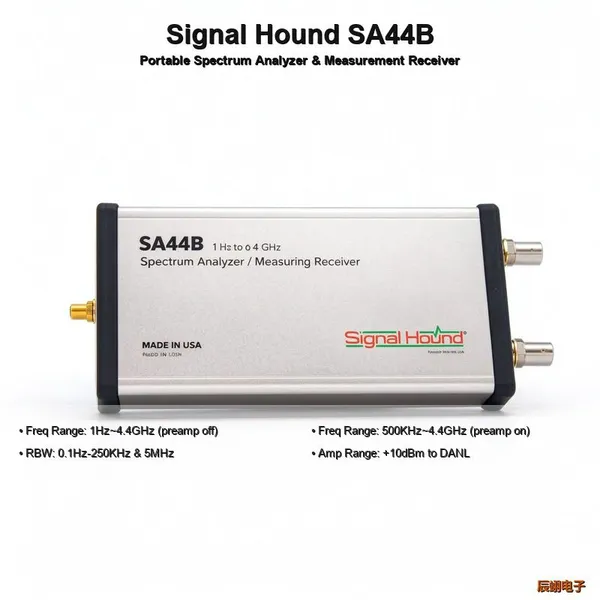 Read More
-
Signal Hound SA44B 1 Hz–10 kHz: 50 Hz comb artifacts & reading jitter vs scope — ground loop and DC offset pitfalls,supplier
November 27, 2026Signal Hound SA44B spectrometer and measuring receiver supplierMeasuring 1 Hz–10 kHz on the Signal Hound SA44B Fills the Screen Wi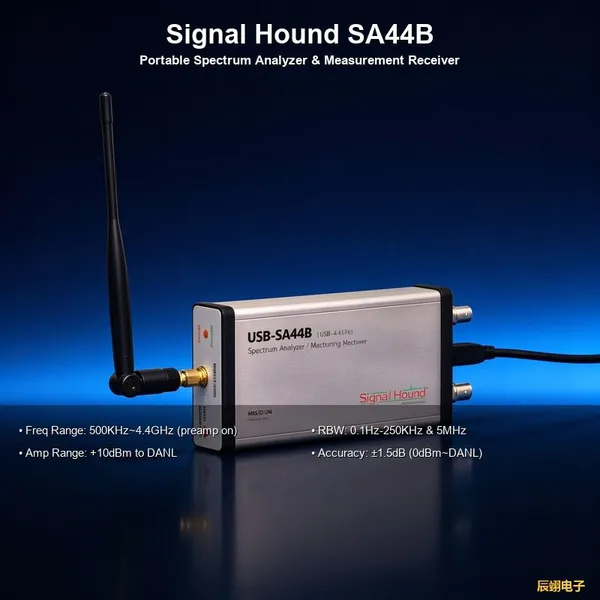 Read More
-
Signal Hound SA44B: IQ stalls tens of ms on frequency change — misaligned hopping data & reconfiguration overhead compensation,supplier
November 27, 2026Signal Hound SA44B spectrometer and measuring receiver supplierEvery Frequency Change Makes the Signal Hound SA44B IQ Stall for Tens of Milliseconds, and Frequency-Hopping Test Data Does Not Line Up — How to Compensate the IQ Reconfiguration Overhead?SymptomA user builds automated tests for a frequency-hopping radio or a frequency synthesizer with the Signal Hound SA44B. Each time the program changes the centre frequency, theRead More -
Signal Hound SA44B: Unrecognized /bricked after firmware update — SA44 and SA44B firmware not cross-flashable,supplier
November 27, 2026Signal Hound SA44B spectrometer and measuring receiver supplierA Firmware or Software Upgrade Left the Signal Hound SA44B Unrecogn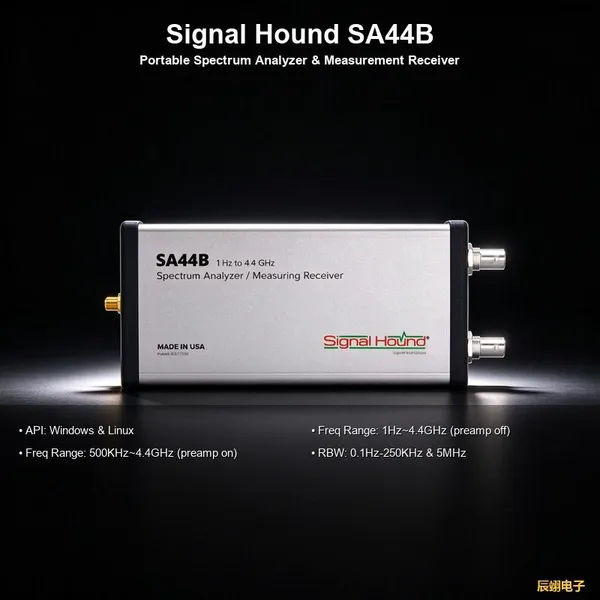 Read More

Contact Us
Recommended Products
-
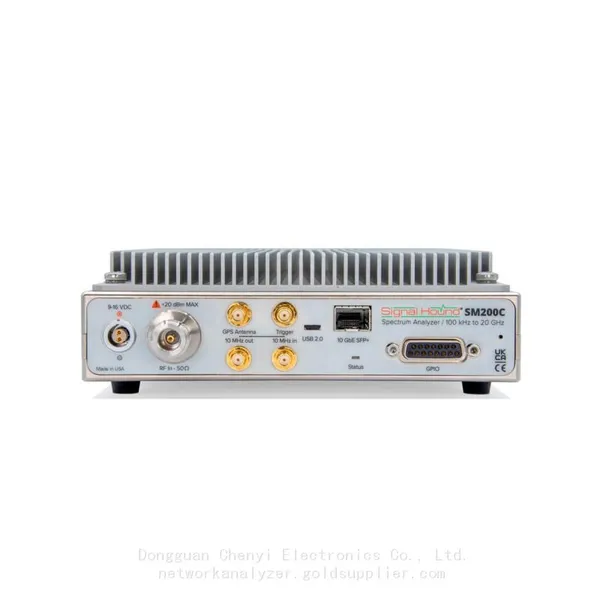
 Signal Hound SM200C 100 KHz to 20 GHz Real-time Spectrum Analyzer With 10GbE Monitoring ReceiversNegotiableMOQ: 1 Unit
-
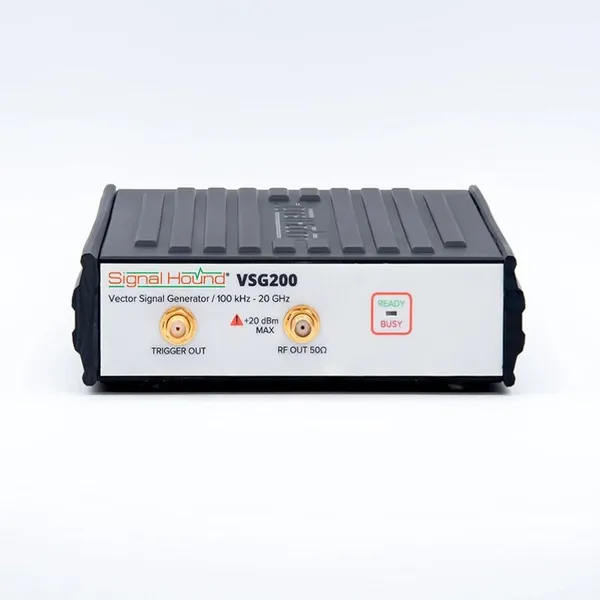
Signal Hound VSG200 Vector Signal Generator 100 KHz to 20 GHzNegotiableMOQ: 1 Unit
-
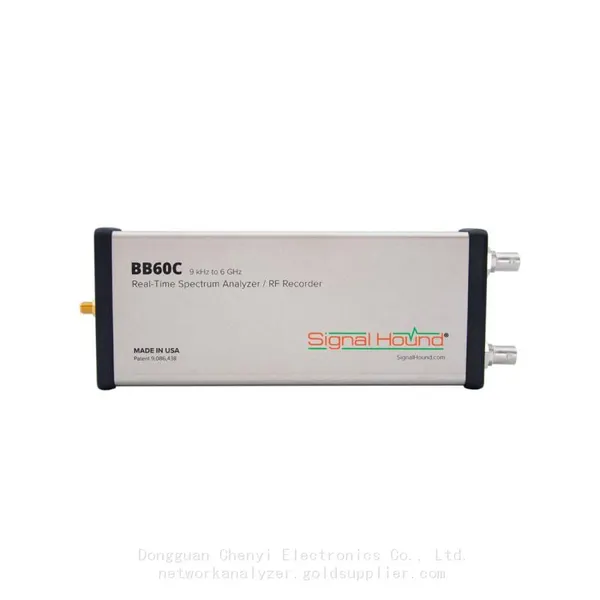
Signal Hound BB60C 9 KHz to 6 GHz Real-time Spectrum AnalyzerNegotiableMOQ: 1 Unit
-
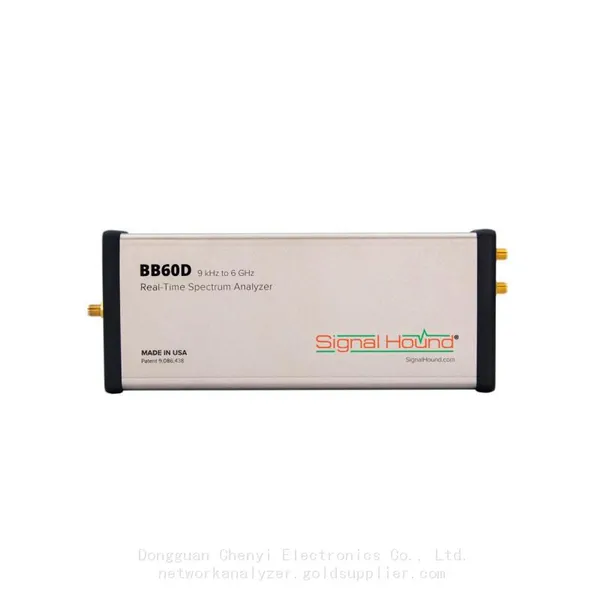
Signal Hound BB60D 9 KHz to 6 GHz Real-time Spectrum AnalyzerNegotiableMOQ: 1 Unit
-
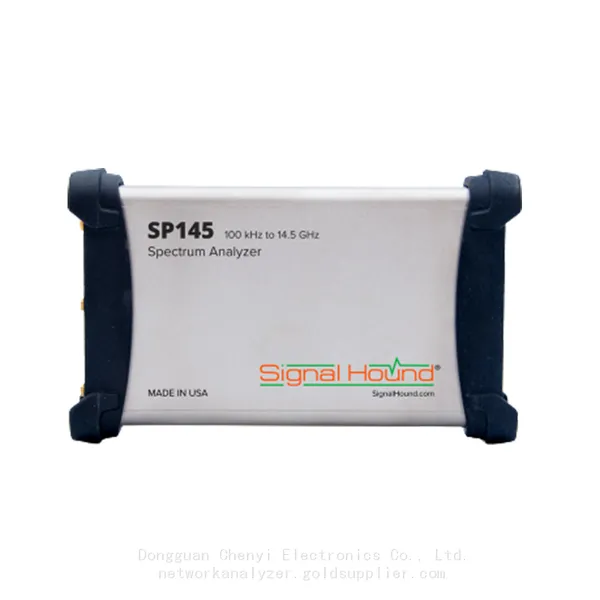
Signal Hound SP145 100 KHz to 14.5 GHz Real-time Spectrum Analyzer Monitoring ReceiversNegotiableMOQ: 1 Unit
-
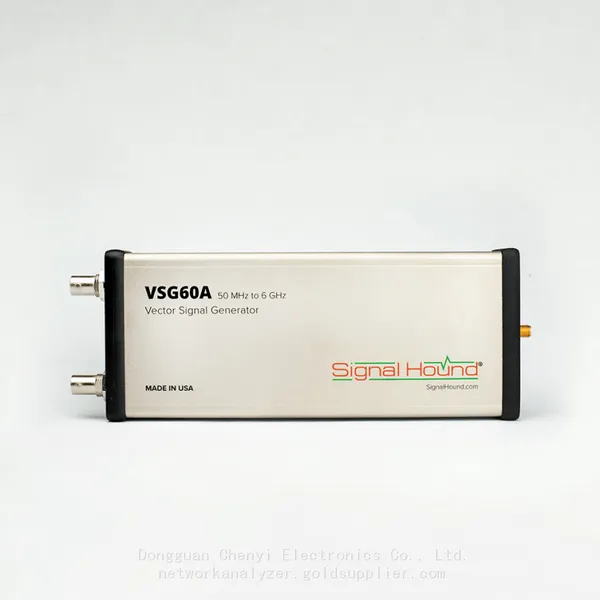
Signal Hound VSG60A 50 MHz to 6 GHz GHz Vector Signal GeneratorNegotiableMOQ: 1 Unit
-
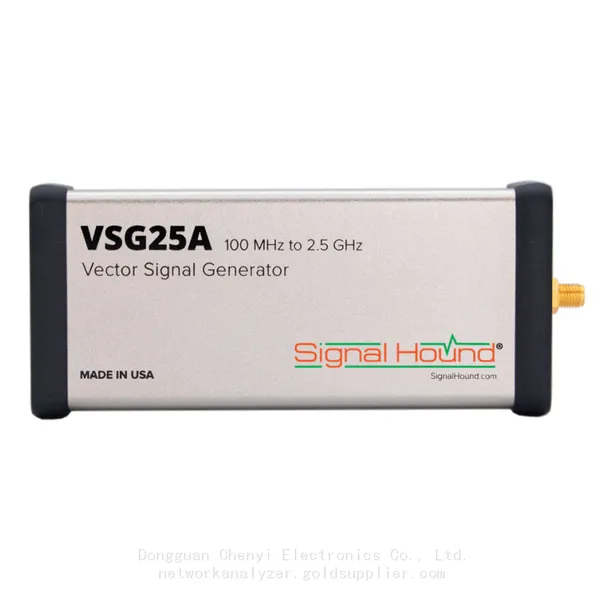
Signal Hound VSG25A 100 MHz to 2.5 GHz Vector Signal GeneratorNegotiableMOQ: 1 Unit
-
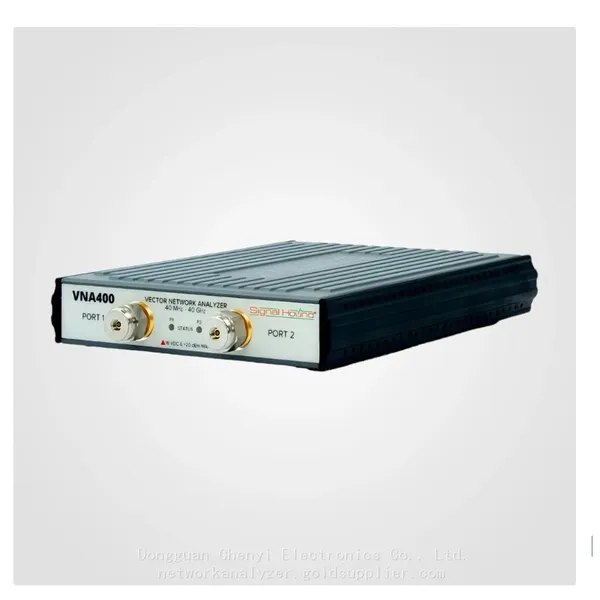
Signal Hound VNA400 40 MHz to 40 GHz 2-port Vector Network AnalyzerNegotiableMOQ: 1 Unit
-
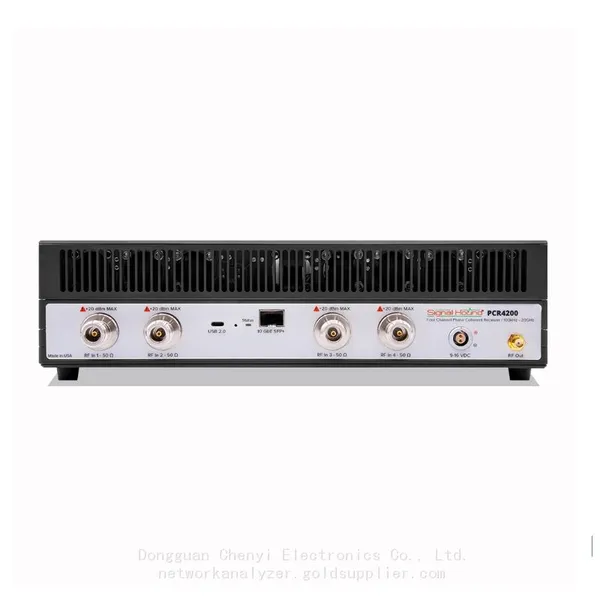
Signal Hound PCR4200 100 KHz to 20 GHz Four-Channel Phase Coherent ReceiverNegotiableMOQ: 1 Unit
-
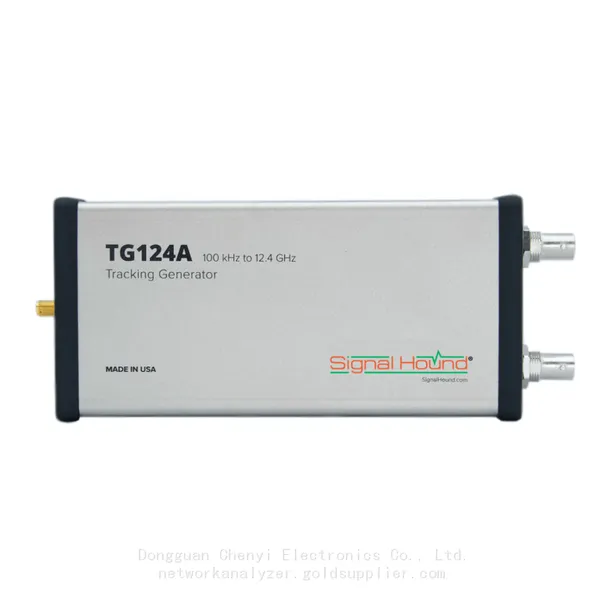
Signal Hound TG124A 100 KHz to 12.4 GHz Tracking GeneratorNegotiableMOQ: 1 Unit
-
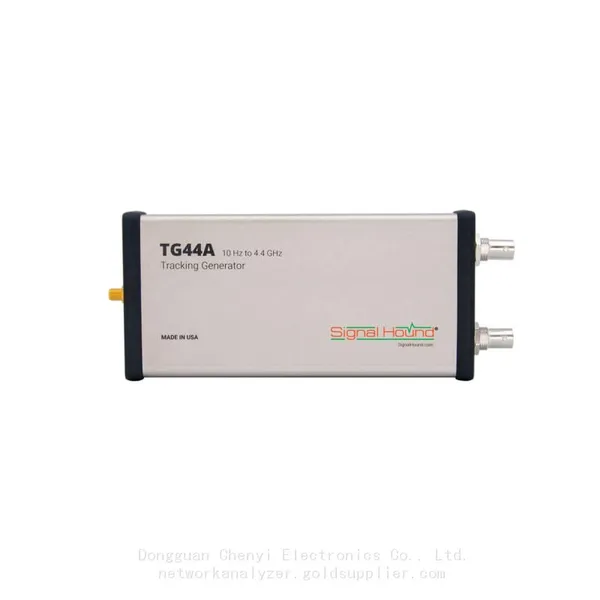
Signal Hound TG44A 10 Hz to 4.4 GHz t Tracking GeneratorNegotiableMOQ: 1 Unit
-
Signal Hound SA124B 100 KHz to 12.4 GHz Spectrum AnalyzerNegotiableMOQ: 1 Unit
-
Signal Hound SA44B 1 Hz to 4.4 GHz Spectrum AnalyzerNegotiableMOQ: 1 Unit
-
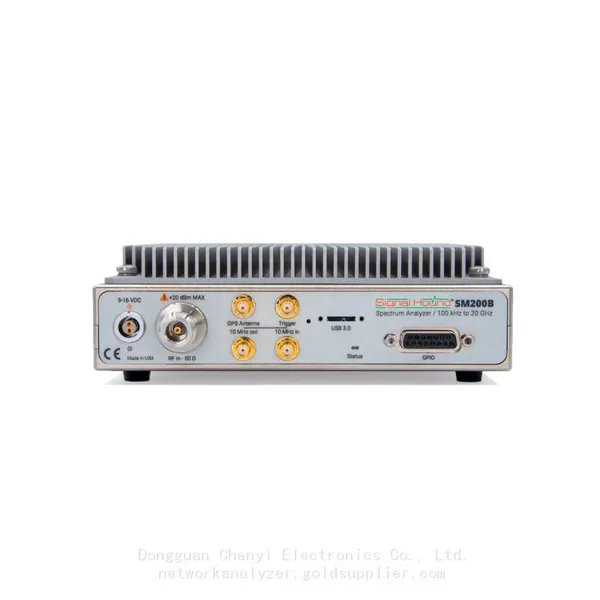
SM200B Real‑time Spectrum Analyzer,USB3.0 RTSA,100kHz-20GHz,calibrated I/Q Capture for 5G Test & Interference HuntingNegotiableMOQ: 1 Unit
-
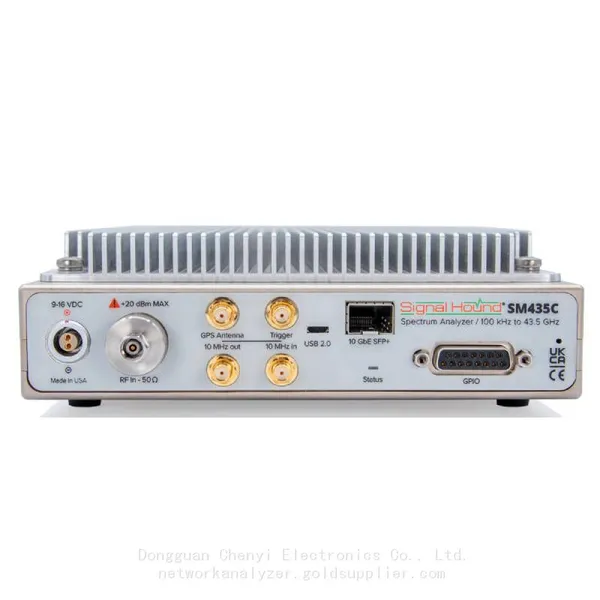
Signal Hound SM435C 100 KHz to 43.5GHz Real-time Spectrum Analyzer With 10GbE Monitoring ReceiversNegotiableMOQ: 1 Unit
-
Signal Hound SM435B 100 KHz to 43.5GHz Real-time Spectrum Analyzer Monitoring ReceiversNegotiableMOQ: 1 Unit
-
Signal Hound PN400 Phase Noise and VCO Test System 100 KHz to 43.5 GHzNegotiableMOQ: 1 Unit
-
Keysight E4980A Precision LCR Meter 20 Hz to 2 MHzNegotiableMOQ: 1 Unit
-
Keysight E4980B and E4980BL Precision LCR Meter 20 Hz to 2 MHzNegotiableMOQ: 1 Unit
-
Keysight U1733C Handheld LCR Meter 100Hz 120Hz 1kHz 10kHz 100kHzNegotiableMOQ: 1 Unit