
 Business License

Signal Hound SA44B supplier : Low-frequency signals disappear with preamp on — dual lower frequency limit
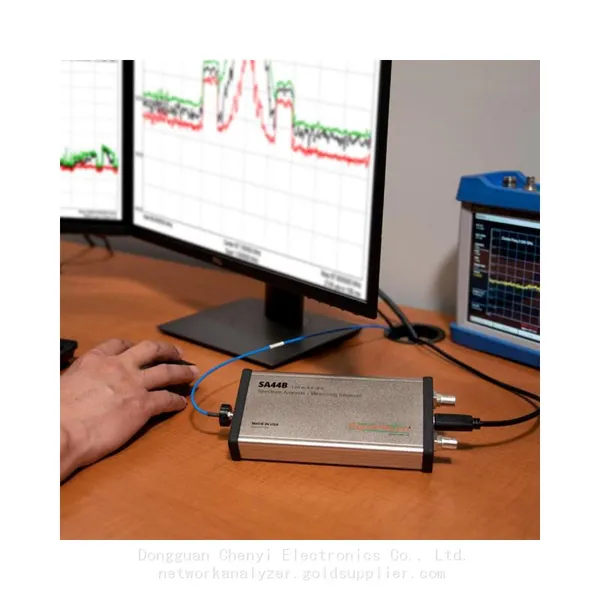
Signal Hound SA44B spectrometer and measuring receiver supplier
The Signal Hound SA44B Is Specified From 1 Hz, Yet Low-Frequency Signals "Vanish" Once the Preamp Is On — What Is This Dual Lower Frequency Limit?
Symptom
A user buys the Signal Hound SA44B specifically for its "1 Hz to 4.4 GHz" low-frequency capability and sets out to measure mains power ripple, audio-band noise or a low-frequency oscillator. Direct measurements look perfectly normal. But when the RF preamp is switched on to bring up small signals, everything below 100 kHz / 500 kHz disappears in one block — the noise-floor trace only has content starting at 500 kHz. Switch the preamp back off and the signals return. Some users therefore raise a warranty claim saying "turning the preamp on actually broke it".
Root Cause Analysis
The tuning range of the Signal Hound SA44B is a dual lower frequency limit design (official specification wording):
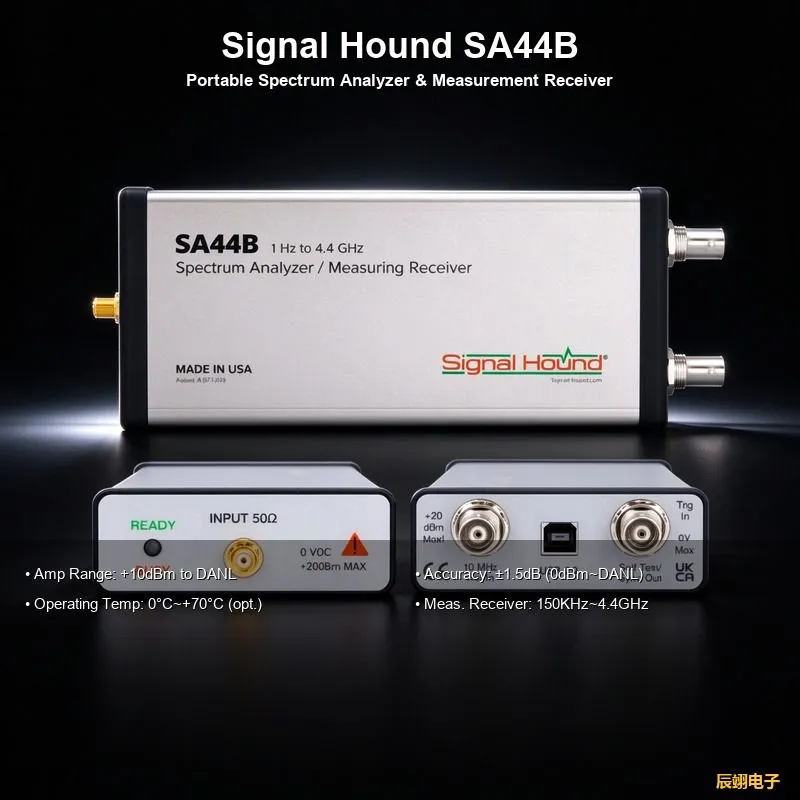
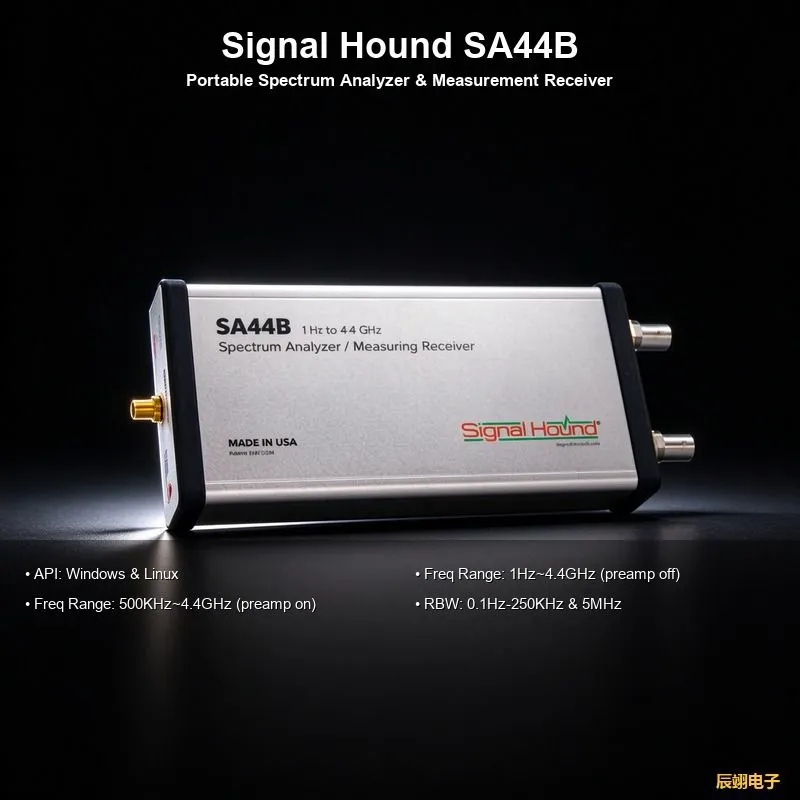
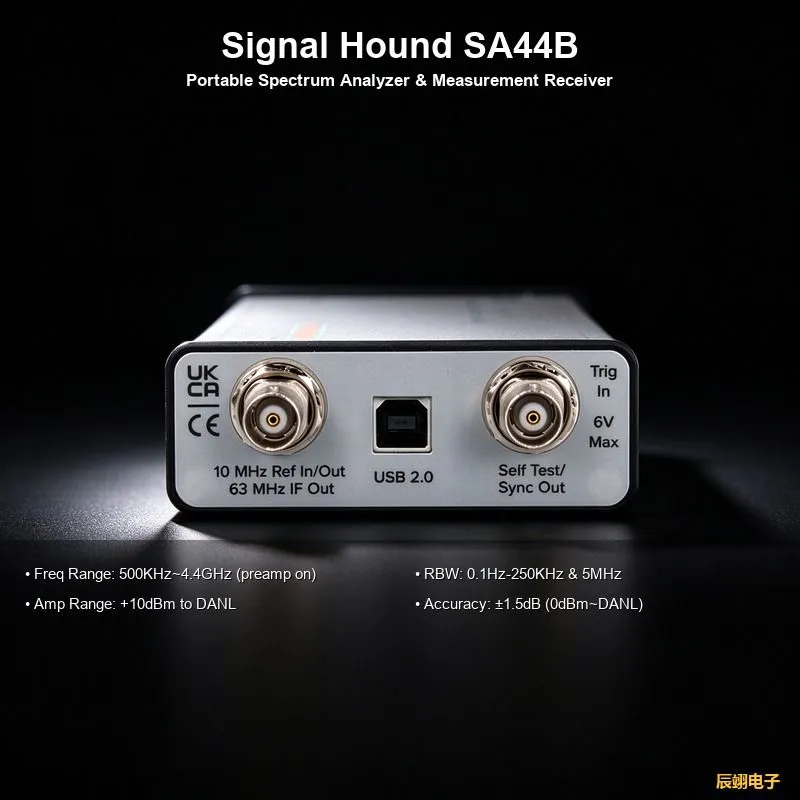
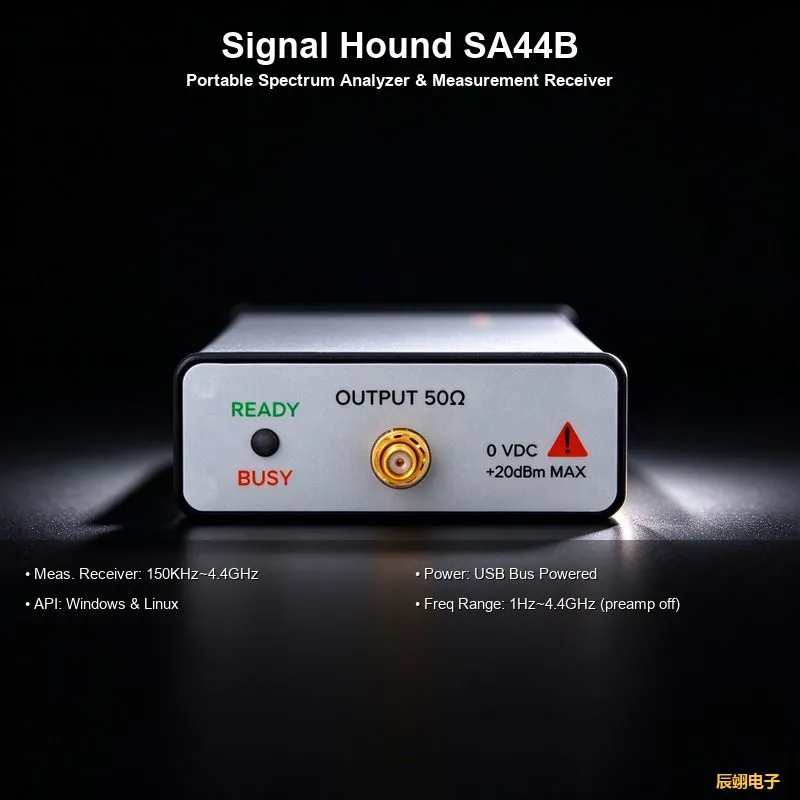
Preamp OFF: 1 Hz to 4.4 GHz — the extremely low band is measured via the direct path;
Preamp ON: 500 kHz to 4.4 GHz — the built-in low-noise amplifier only operates, and only does any good, from 500 kHz upward.
The reason is that the preamp chain (amplifier plus DC block / low-frequency response) collapses in gain below a few hundred kHz, and the direct path already offers ample dynamic range at low frequencies anyway — so enabling the preamp would only cause overload or no response at all at the low end. The vendor therefore specifies the usable preamp range as starting at 500 kHz. "1 Hz", one of the headline selling points, and "preamp", the other, are two separate signal paths and cannot be stacked.
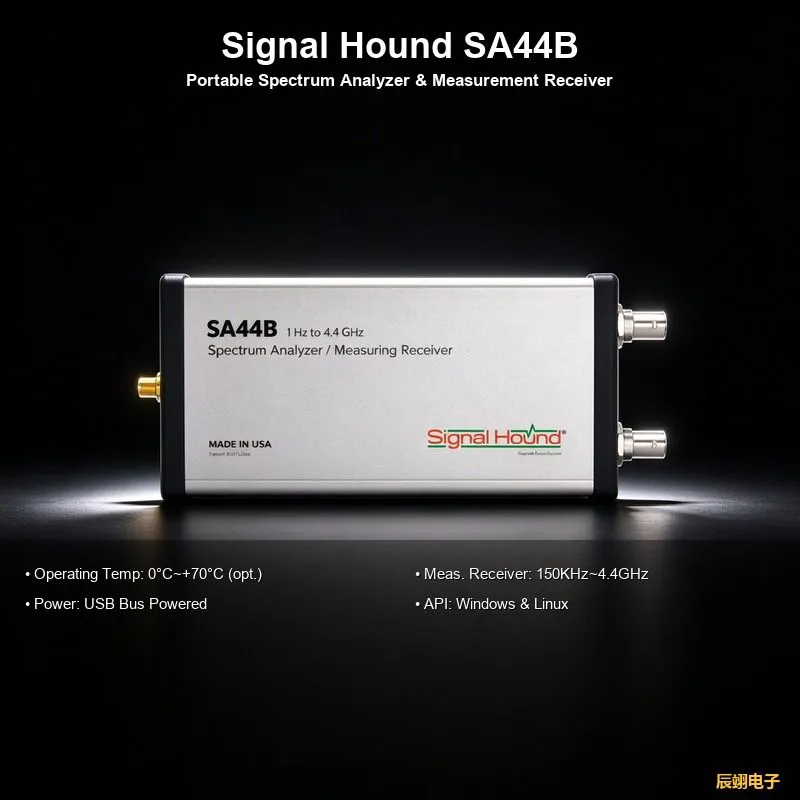
A closely related misunderstanding: when used as a measurement receiver, the published specification reads 150 kHz to 4.4 GHz — different application tiers have different lower limits. Users trying to reconcile the three numbers often conclude the parameters are inflated.
Correct Procedure
Low band (1 Hz to 500 kHz): keep the preamp OFF and measure directly. In this band you are usually looking at power-supply ripple, crystal-oscillator low-frequency spurs or amplifier noise, and the direct path's −151 dBm-class sensitivity is sufficient in most cases;
Above 500 kHz, switch the preamp ON for small signals, bearing in mind that strong signals compress much sooner with the preamp enabled (see the preamp article);
Re-scan after changing tier: with the preamp on versus off, the noise floor, reference level and attenuation configuration all change. Run a peak search and re-align afterwards; do not compare against a pre-switch screenshot and conclude "the signal is gone";
Unattended / automated programs: never carry a "preamp ON" parameter in sweep lists that cross the low-frequency band. Initialize the program with the preamp OFF and enable it explicitly per frequency point only when needed;
Acceptance test: with the preamp OFF, signals at 1 kHz / 10 kHz / 100 kHz / 500 kHz / 1 GHz all look normal → the instrument is fault-free. Disappearance only when the preamp is enabled is a designed boundary, not a defect.
Pre-Sales Note
List both lines in full on the product page — "1 Hz to 4.4 GHz (preamp OFF) / 500 kHz to 4.4 GHz (preamp ON)". Advertising only "starts at 1 Hz" will generate tickets about "the preamp failing at low frequency". Customers who genuinely need high sensitivity for small signals below 500 kHz should be advised to add an external low-noise amplifier (mind the bias supply and gain headroom).
Sources: compiled from the official Signal Hound SA44B specification page (1 Hz to 4.4 GHz with preamp OFF, 500 kHz to 4.4 GHz with preamp ON, measurement receiver 150 kHz to 4.4 GHz).
WhatsApp:+85268839563
Recently Posted
-
Signal Hound SA44B HF /ham monitoring: dirty spectrum with comb spurs — overload and intermodulation fixes,supplier
November 27, 2026Signal Hound SA44B spectrometer and measuring receiver supplierUsing the Signal Hound SA44B for HF Band Monitoring / Amateur Radio Read More
-
Micro‑USB port intermittent connection and mechanical wobble when cable is moved — instrument-side shell failure prevention,supplier
November 27, 2026Signal Hound SA44B spectrometer and measuring receiver supplierThe Connection Drops Whenever the Cable Is Nudged, and Eventually t Read More
-
Signal Hound SA44B 1 Hz–10 kHz: 50 Hz comb artifacts & reading jitter vs scope — ground loop and DC offset pitfalls,supplier
November 27, 2026Signal Hound SA44B spectrometer and measuring receiver supplierMeasuring 1 Hz–10 kHz on the Signal Hound SA44B Fills the Screen Wi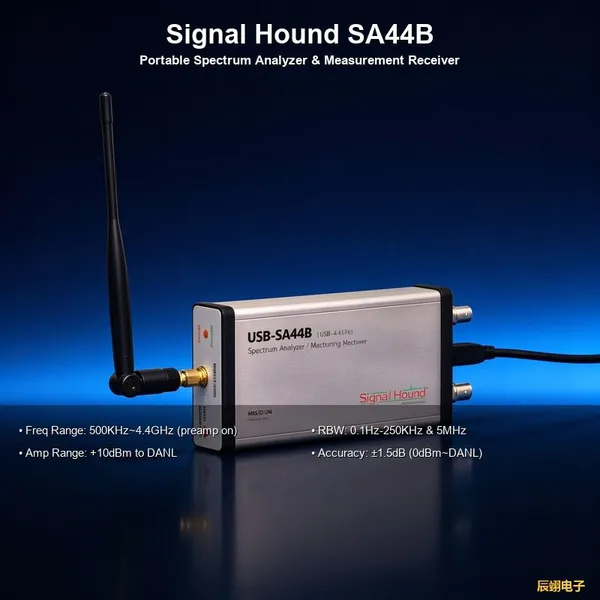 Read More
-
Signal Hound SA44B: IQ stalls tens of ms on frequency change — misaligned hopping data & reconfiguration overhead compensation,supplier
November 27, 2026Signal Hound SA44B spectrometer and measuring receiver supplierEvery Frequency Change Makes the Signal Hound SA44B IQ Stall for Tens of Milliseconds, and Frequency-Hopping Test Data Does Not Line Up — How to Compensate the IQ Reconfiguration Overhead?SymptomA user builds automated tests for a frequency-hopping radio or a frequency synthesizer with the Signal Hound SA44B. Each time the program changes the centre frequency, theRead More

Contact Us
Recommended Products
-
 Signal Hound SM200C 100 KHz to 20 GHz Real-time Spectrum Analyzer With 10GbE Monitoring ReceiversNegotiableMOQ: 1 Unit
-
Signal Hound VSG200 Vector Signal Generator 100 KHz to 20 GHzNegotiableMOQ: 1 Unit
-
Signal Hound BB60C 9 KHz to 6 GHz Real-time Spectrum AnalyzerNegotiableMOQ: 1 Unit
-
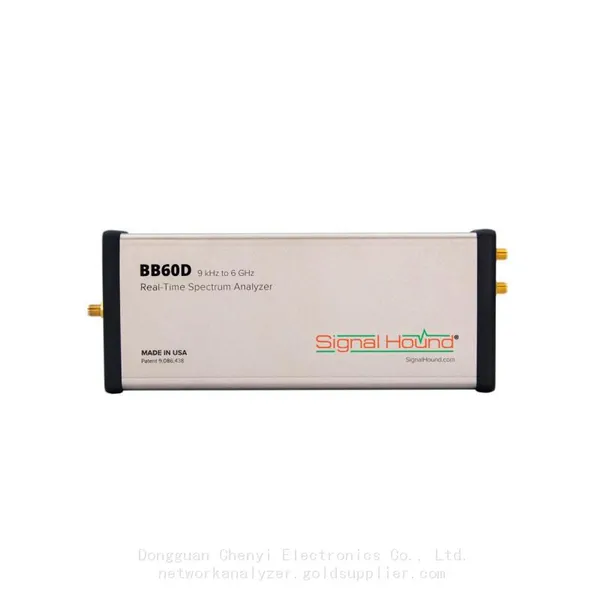
Signal Hound BB60D 9 KHz to 6 GHz Real-time Spectrum AnalyzerNegotiableMOQ: 1 Unit
-
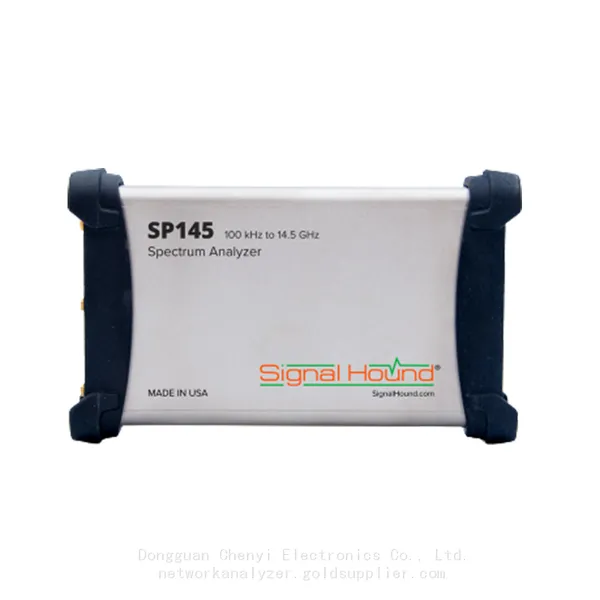
Signal Hound SP145 100 KHz to 14.5 GHz Real-time Spectrum Analyzer Monitoring ReceiversNegotiableMOQ: 1 Unit
-
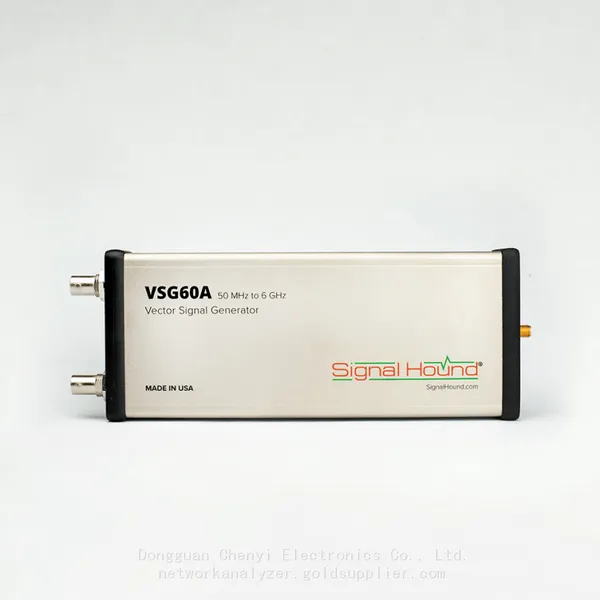
Signal Hound VSG60A 50 MHz to 6 GHz GHz Vector Signal GeneratorNegotiableMOQ: 1 Unit
-
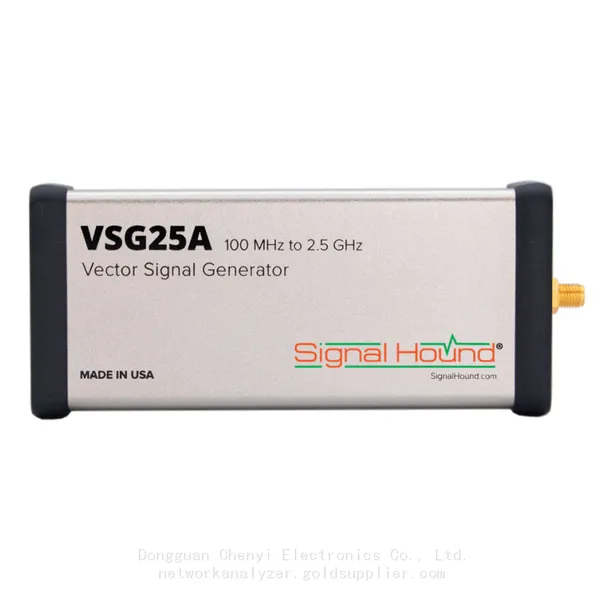
Signal Hound VSG25A 100 MHz to 2.5 GHz Vector Signal GeneratorNegotiableMOQ: 1 Unit
-
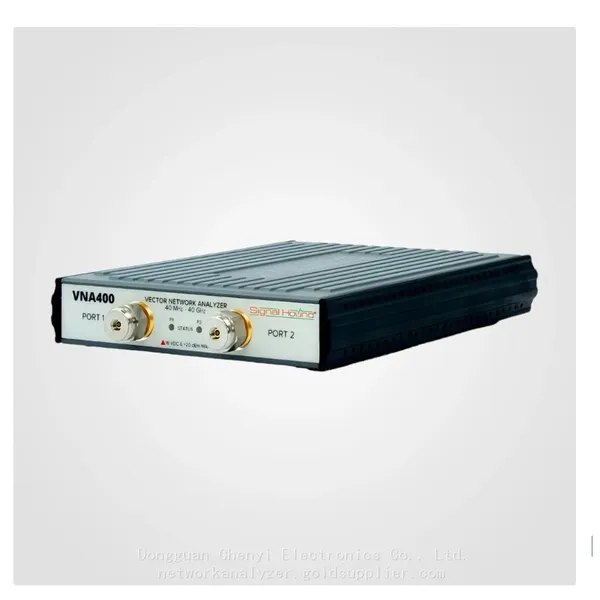
Signal Hound VNA400 40 MHz to 40 GHz 2-port Vector Network AnalyzerNegotiableMOQ: 1 Unit
-
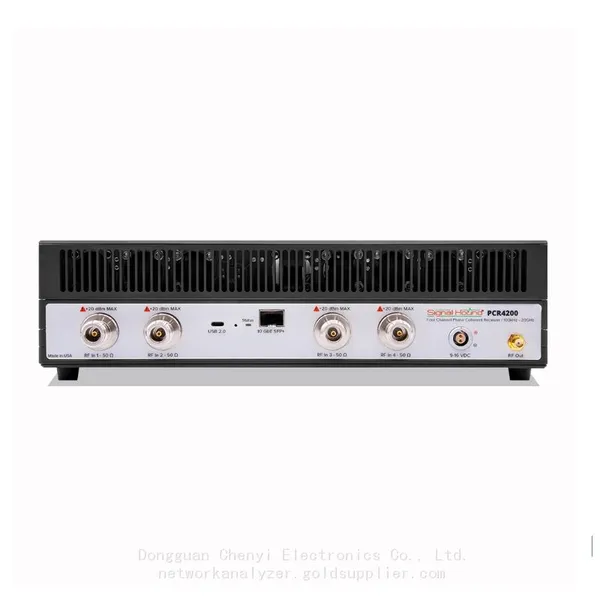
Signal Hound PCR4200 100 KHz to 20 GHz Four-Channel Phase Coherent ReceiverNegotiableMOQ: 1 Unit
-
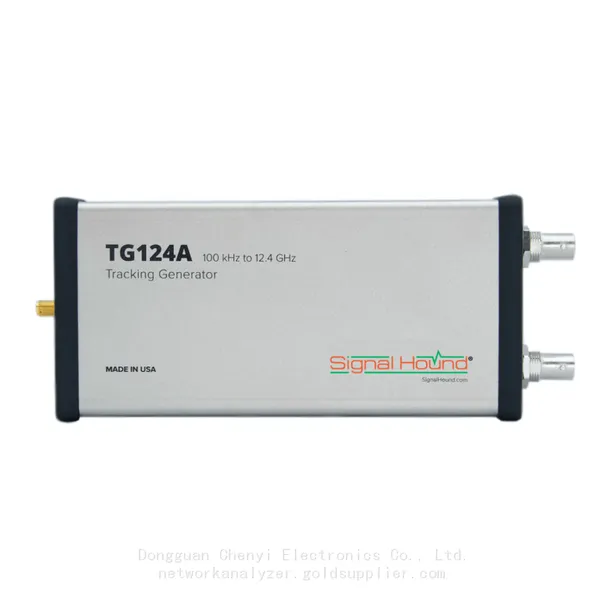
Signal Hound TG124A 100 KHz to 12.4 GHz Tracking GeneratorNegotiableMOQ: 1 Unit
-
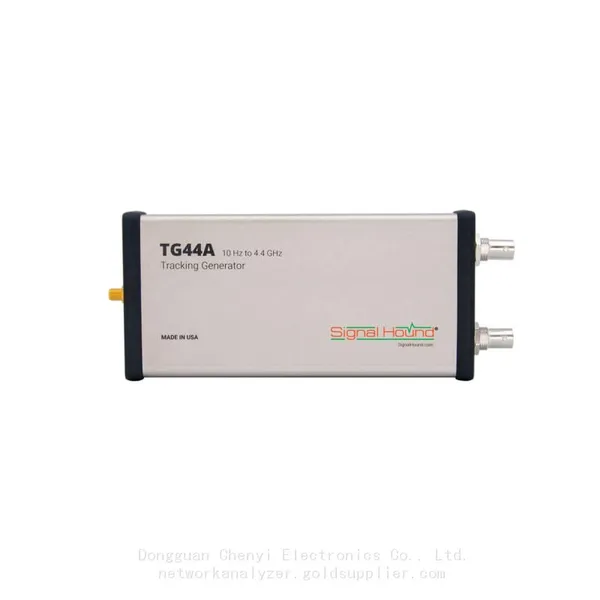
Signal Hound TG44A 10 Hz to 4.4 GHz t Tracking GeneratorNegotiableMOQ: 1 Unit
-
Signal Hound SA124B 100 KHz to 12.4 GHz Spectrum AnalyzerNegotiableMOQ: 1 Unit
-
Signal Hound SA44B 1 Hz to 4.4 GHz Spectrum AnalyzerNegotiableMOQ: 1 Unit
-
SM200B Real‑time Spectrum Analyzer,USB3.0 RTSA,100kHz-20GHz,calibrated I/Q Capture for 5G Test & Interference HuntingNegotiableMOQ: 1 Unit
-
Signal Hound SM435C 100 KHz to 43.5GHz Real-time Spectrum Analyzer With 10GbE Monitoring ReceiversNegotiableMOQ: 1 Unit
-
Signal Hound SM435B 100 KHz to 43.5GHz Real-time Spectrum Analyzer Monitoring ReceiversNegotiableMOQ: 1 Unit
-
Signal Hound PN400 Phase Noise and VCO Test System 100 KHz to 43.5 GHzNegotiableMOQ: 1 Unit
-
Keysight E4980A Precision LCR Meter 20 Hz to 2 MHzNegotiableMOQ: 1 Unit
-
Keysight E4980B and E4980BL Precision LCR Meter 20 Hz to 2 MHzNegotiableMOQ: 1 Unit
-
Keysight U1733C Handheld LCR Meter 100Hz 120Hz 1kHz 10kHz 100kHzNegotiableMOQ: 1 Unit