
 Business License

Touching a Telescopic Antenna in Dry Winter Air Killed My Signal Hound BB60C Sensitivity — Can Static Really Damage a Spectrum Analyzer?supplier
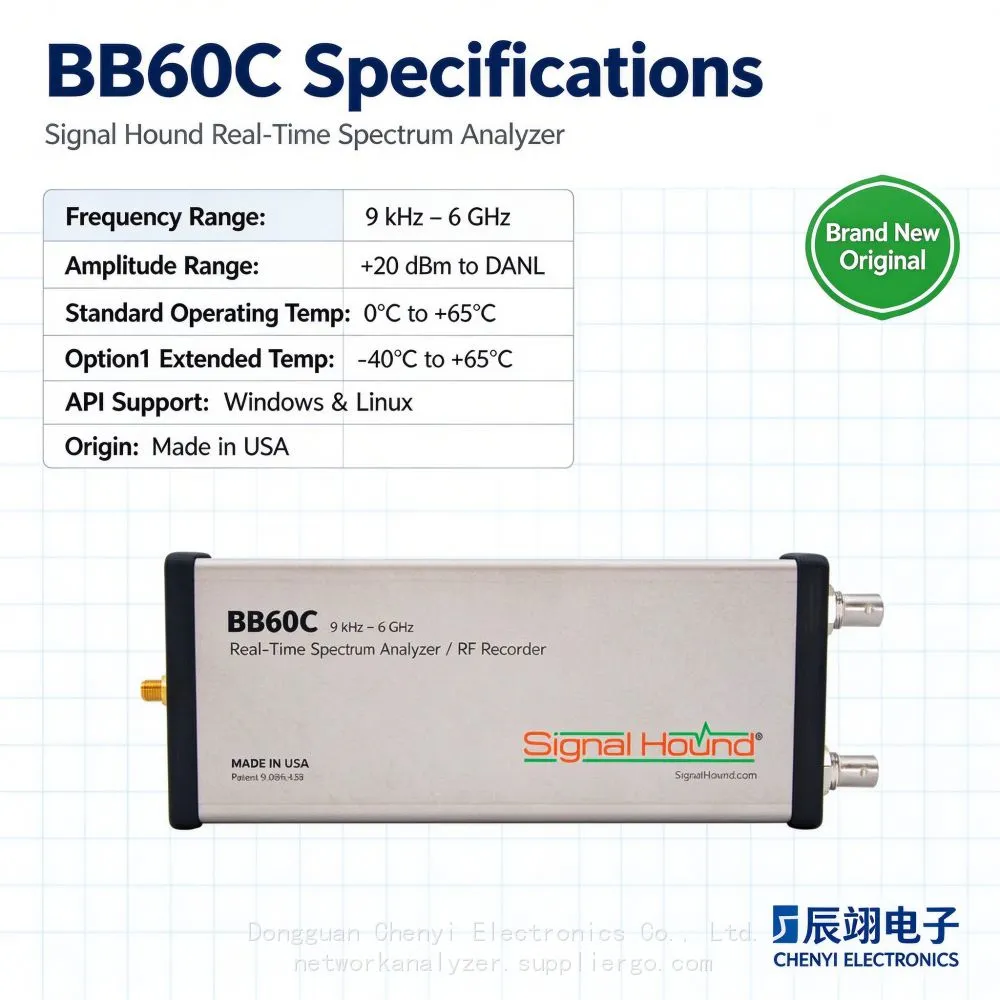
Signal Hound BB60C real-time spectrum analyzer supplier
Touching a Telescopic Antenna in Dry Winter Air Killed My Signal Hound BB60C Sensitivity — Can Static Really Damage a Spectrum Analyzer?
Symptom
The operator touched a telescopic antenna attached to the input connector, or brought an antenna connector close to the instrument, and the device faulted instantly: Spike threw a communication error, the LED went dark or began flashing erratically. Afterwards the unit reconnects, but sensitivity is visibly worse — the noise floor has risen and one band shows unexplainable distortion.
Root Cause
Yes — electrostatic discharge (ESD) is a genuine, well-documented killer of spectrum analyzer front ends, and the risk peaks in dry winter conditions, on carpeted floors, with synthetic clothing, and when the operator has walked across the room before reaching for the antenna. The human body easily stores several kilovolts in low humidity. A float-mounted telescopic antenna collects that charge, and the discharge arc enters through the SMA center pin directly into the mixer/LNA chain — a path with no user-replaceable protection element. Damage ranges from a permanently shifted noise floor to a completely dead input, often without any visible burn mark, which is why users disbelieve the diagnosis.
What To Do After an ESD Event
Baseline test immediately. Connect a 50Ω terminator and record the noise-floor trace across all bands, plus a signal-generator reading at −30 dBm at several frequencies. Save these as evidence.
Compare against historical screenshots to quantify the damage: uniform slight degradation, band-specific collapse, or intermittent behavior each point to different internal damage levels.
Do not keep "testing to see if it recovers." Partially damaged front ends degrade further with use and can take neighboring stages with them. Arrange manufacturer/authorized-service evaluation with your recorded evidence attached.
Prevention Protocol (worth printing and taping to the rack)
Ground yourself before touching antennas. Wear a wrist strap, or first touch a grounded metal surface, then handle only connector bodies — never the center pin or an antenna tip.
Short the antenna when idle. When a telescopic or wire antenna is not in use, store it with a shorting cap or alligator clip across the connector, and keep spare SMA shorting caps on the bench.
Equalize potentials before connecting. When attaching an antenna or cable that may hold a charge (long outdoor runs, rooftop arrays), clip a temporary ground/short across the feedline connector first, then bond it to the instrument's chassis through the same ground point.
Raise humidity / use antistatic measures in winter workshops: humidifiers target >40% RH; antistatic mats and ionizers help at electronics benches.
Discharge the environment, not just the person. Foam packaging, plastic sleeves and vinyl chairs generate charge too — handle them away from the open SMA input.
Bond the whole setup to one ground point — analyzer, PC, DUT enclosure, and antenna mast — so no differential charge exists to arc through the input when you connect.
Bottom Line
ESD damage is user-caused and usually not covered under warranty. The protocol above costs nothing and eliminates the majority of winter front-end failures — treat "ground yourself before touching the antenna" as a mandatory step, the same way you would discharge a capacitor before working on a power supply.
(Based on publicly available Signal Hound BB60C user manual and datasheet specifications.)
WhatsApp:+85268839563
WeChat :13728300615
Recently Posted
-
My Signal Hound BB60C Can't Pick Up Weak Signals Between 9 kHz and 20 MHz and Readings Keep Jumping -supplier
November 18, 2026Signal Hound BB60C real-time spectrum analyzer supplierMy Signal Hound BB60C Can't Pick Up Weak Signals Between 9 kHz and 20 M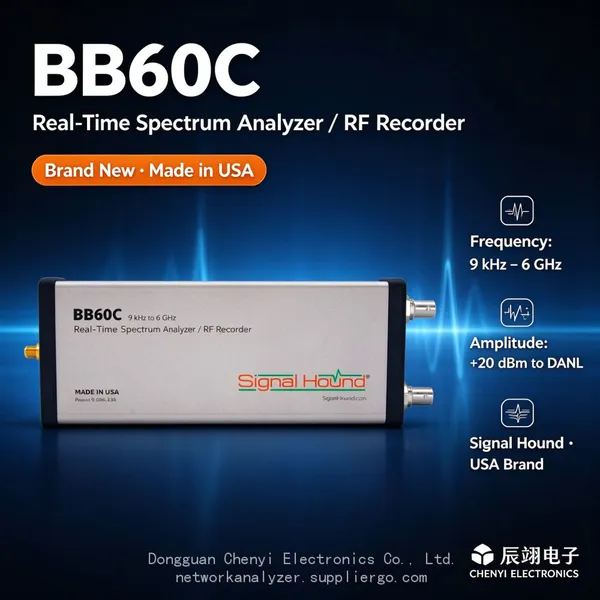 Read More
-
Spike Says My Signal Hound BB60C Firmware Is Outdated — Or My Custom API Code Errors Out. How Do I Handle Version Mismatches?supplier
November 18, 2026Signal Hound BB60C real-time spectrum analyzer supplierSpike Says My Signal Hound BB60C Firmware Is Outdated — Or My Custom API Co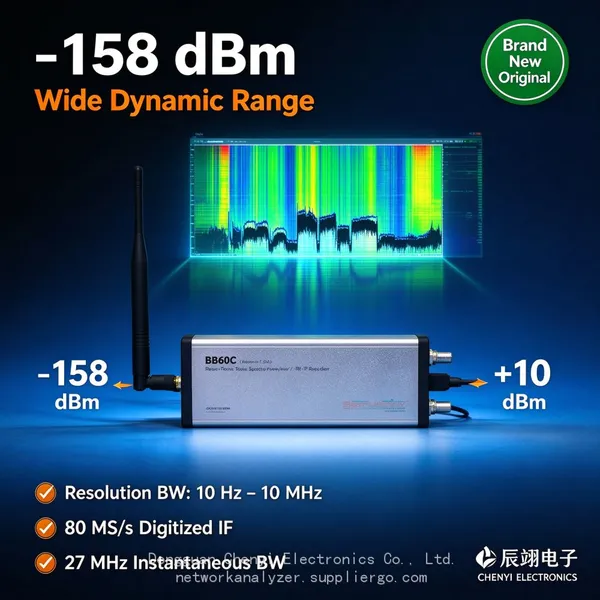 Read More
-
My Signal Hound BB60C Reads Several dB Off Versus Another Instrument — Where Should Amplitude Errors Be Traced From? supplier
November 18, 2026Signal Hound BB60C real-time spectrum analyzer supplierMy Signal Hound BB60C Reads Several dB Off Versus Another Instrument — Wher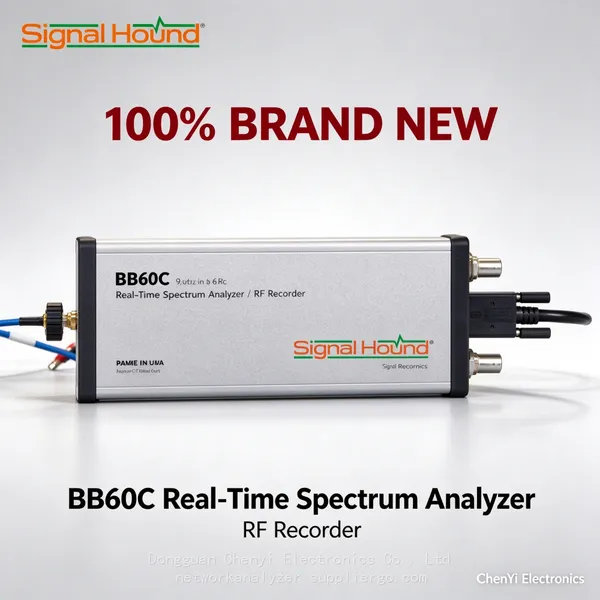 Read More
-
The Signal Hound BB60C Noise Floor Looks Raised and Weak Signals Vanished — Is the Instrument Broken?supplier
November 18, 2026Signal Hound BB60C real-time spectrum analyzer supplierThe Signal Hound BB60C Noise Floor Looks Raised and Weak Signals Vanished —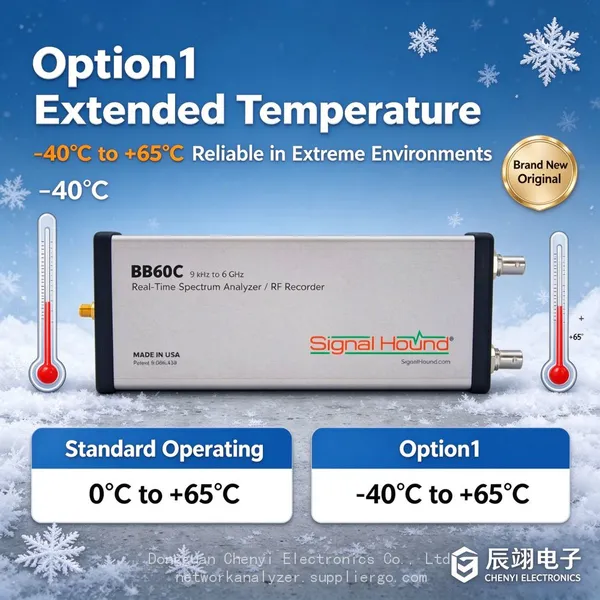 Read More

Contact Us
Recommended Products
-
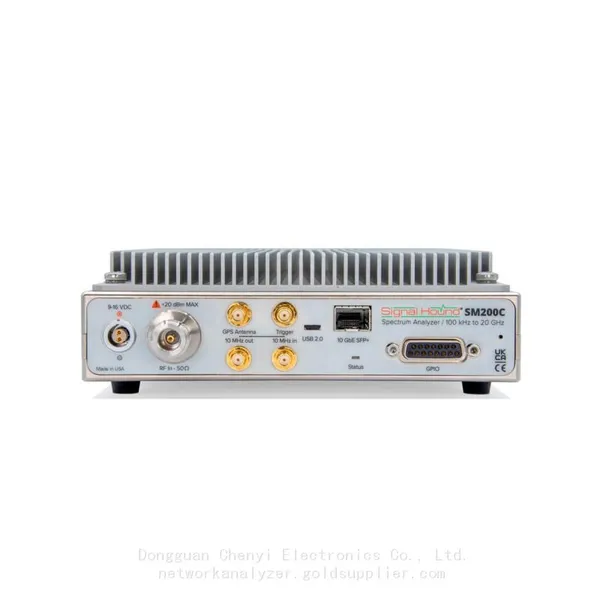
 Signal Hound SM200C 100 KHz to 20 GHz Real-time Spectrum Analyzer With 10GbE Monitoring ReceiversNegotiableMOQ: 1 Unit
-
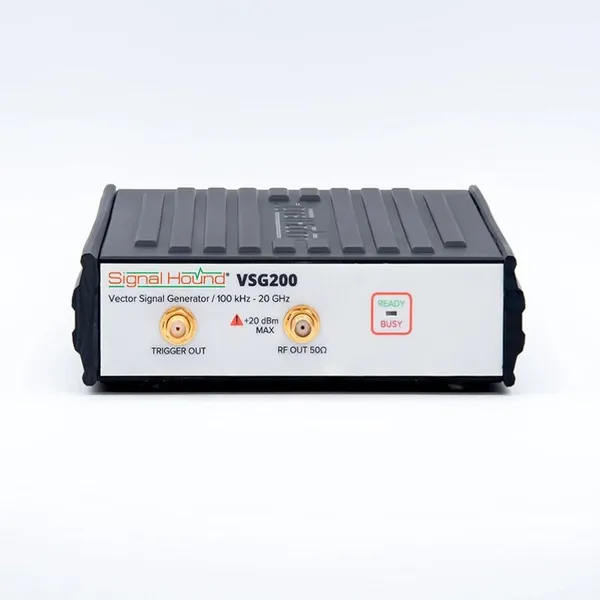
Signal Hound VSG200 Vector Signal Generator 100 KHz to 20 GHzNegotiableMOQ: 1 Unit
-
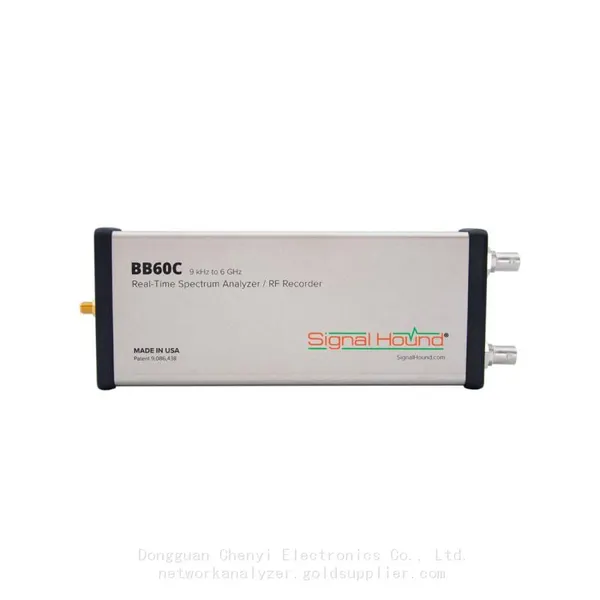
Signal Hound BB60C 9 KHz to 6 GHz Real-time Spectrum AnalyzerNegotiableMOQ: 1 Unit
-
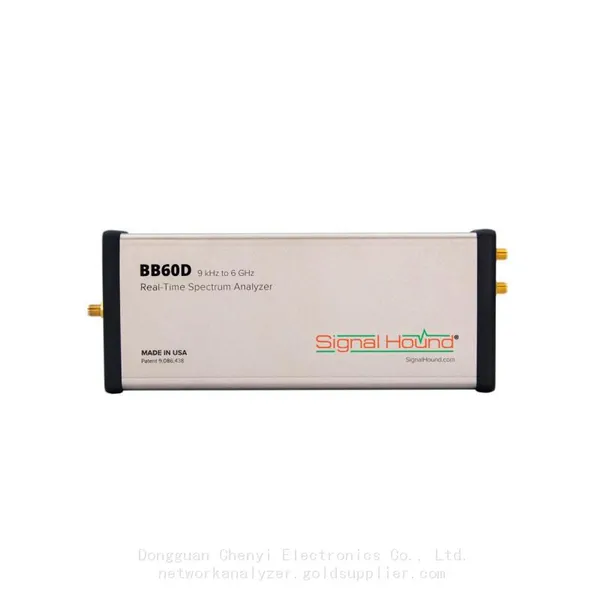
Signal Hound BB60D 9 KHz to 6 GHz Real-time Spectrum AnalyzerNegotiableMOQ: 1 Unit
-
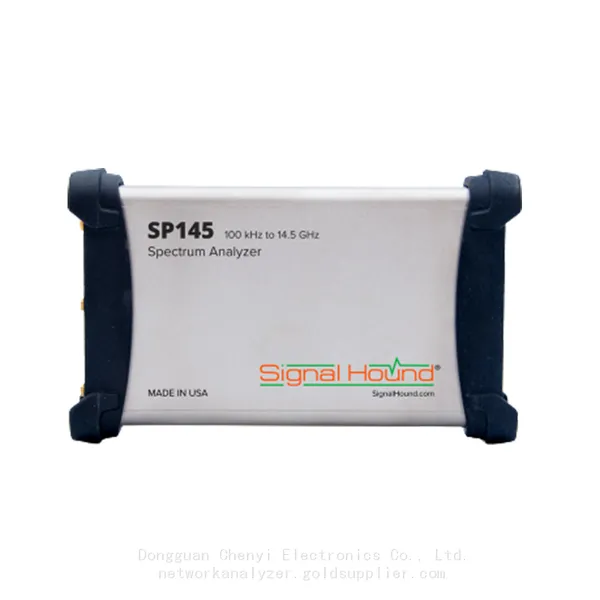
Signal Hound SP145 100 KHz to 14.5 GHz Real-time Spectrum Analyzer Monitoring ReceiversNegotiableMOQ: 1 Unit
-
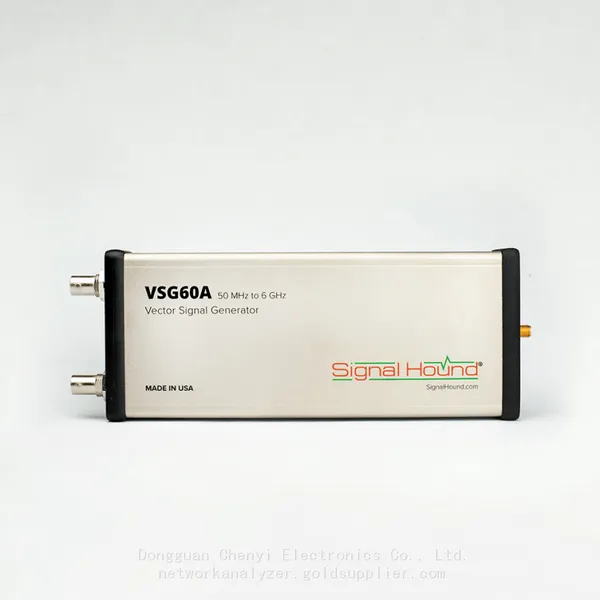
Signal Hound VSG60A 50 MHz to 6 GHz GHz Vector Signal GeneratorNegotiableMOQ: 1 Unit
-
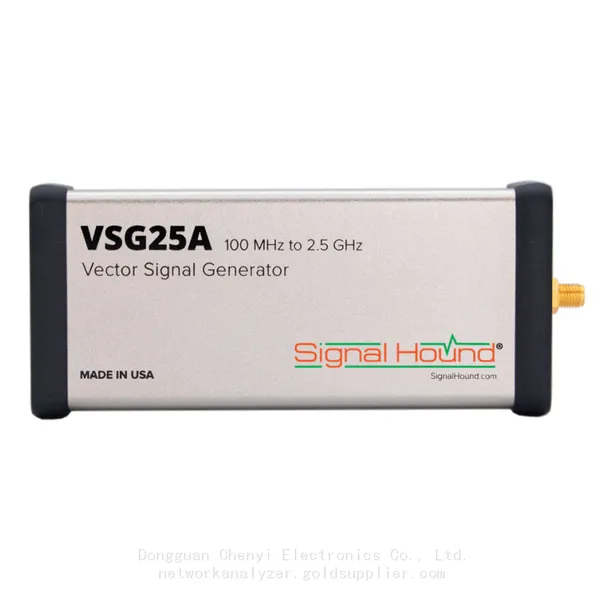
Signal Hound VSG25A 100 MHz to 2.5 GHz Vector Signal GeneratorNegotiableMOQ: 1 Unit
-
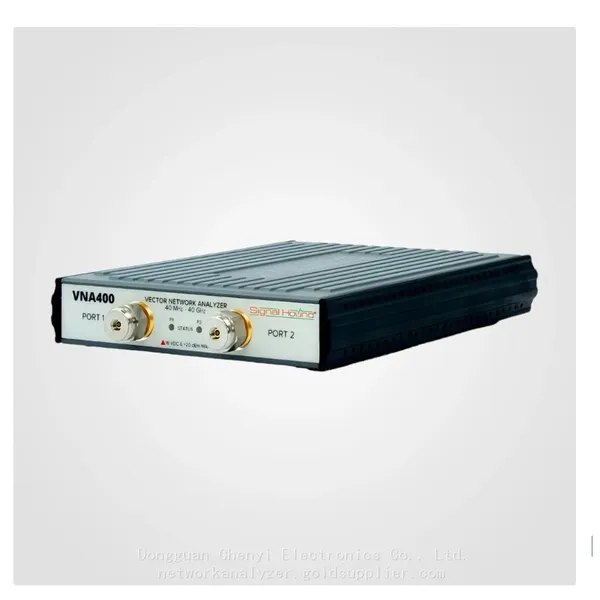
Signal Hound VNA400 40 MHz to 40 GHz 2-port Vector Network AnalyzerNegotiableMOQ: 1 Unit
-
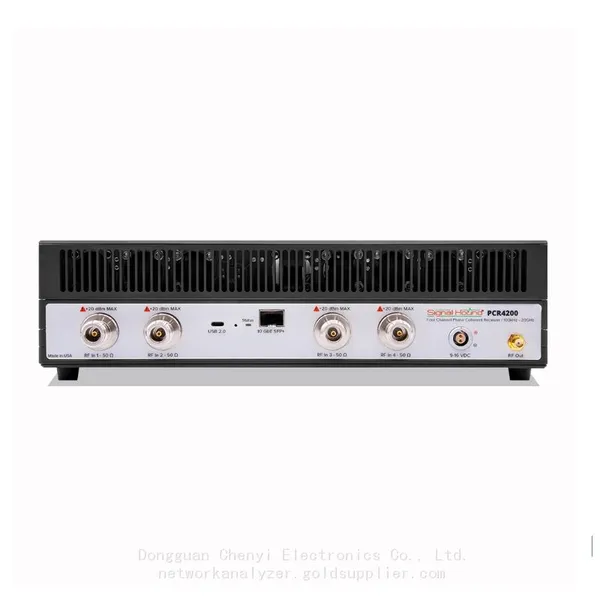
Signal Hound PCR4200 100 KHz to 20 GHz Four-Channel Phase Coherent ReceiverNegotiableMOQ: 1 Unit
-
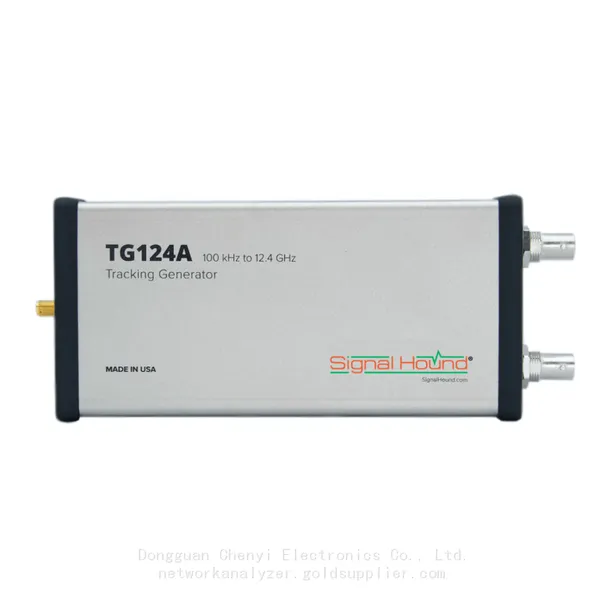
Signal Hound TG124A 100 KHz to 12.4 GHz Tracking GeneratorNegotiableMOQ: 1 Unit
-
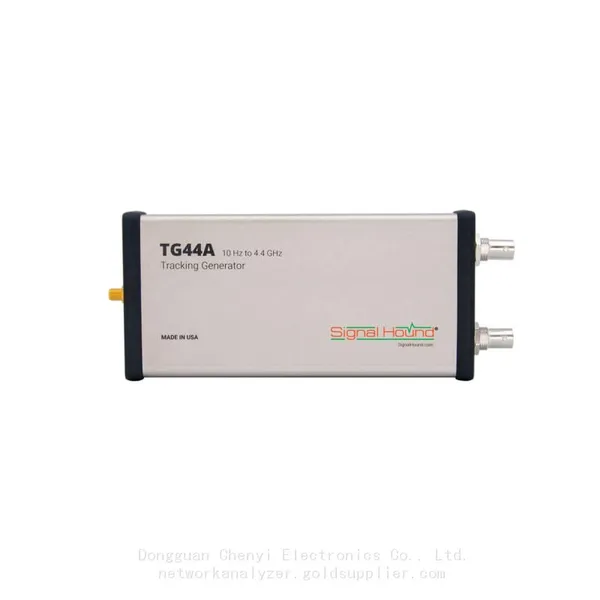
Signal Hound TG44A 10 Hz to 4.4 GHz t Tracking GeneratorNegotiableMOQ: 1 Unit
-
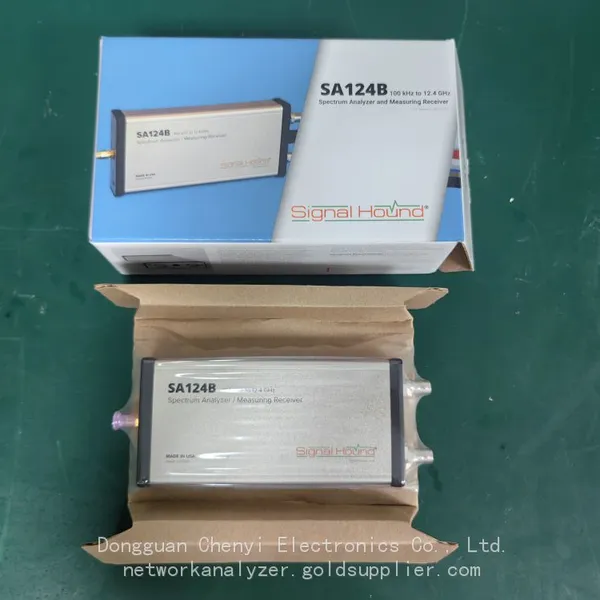
Signal Hound SA124B 100 KHz to 12.4 GHz Spectrum AnalyzerNegotiableMOQ: 1 Unit
-
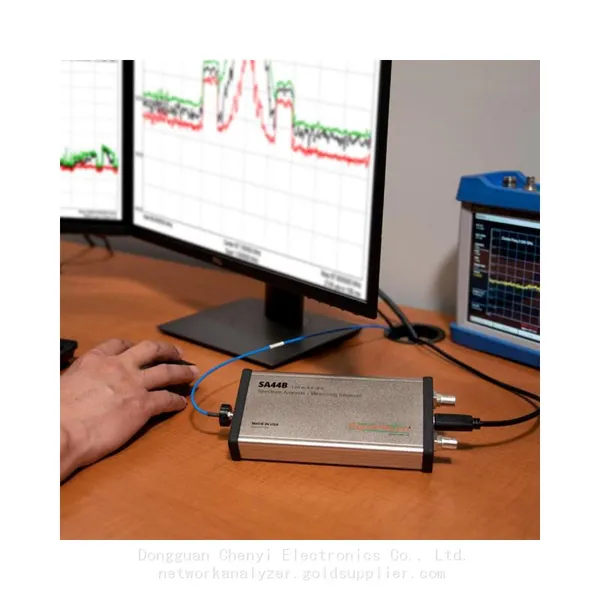
Signal Hound SA44B 1 Hz to 4.4 GHz Spectrum AnalyzerNegotiableMOQ: 1 Unit
-
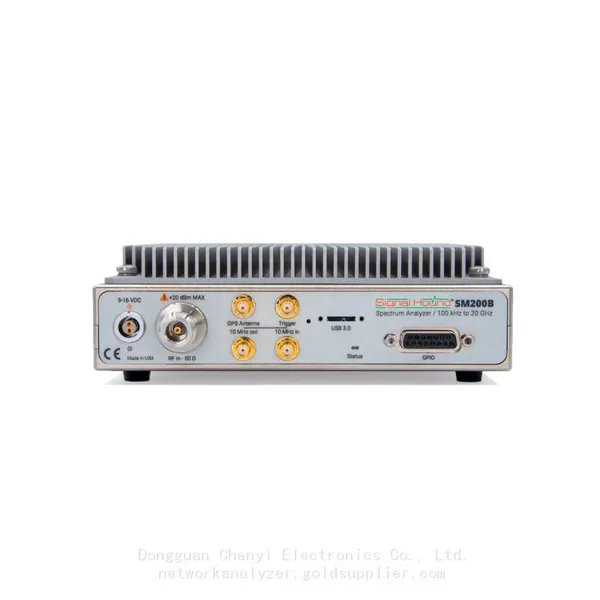
SM200B Real‑time Spectrum Analyzer,USB3.0 RTSA,100kHz-20GHz,calibrated I/Q Capture for 5G Test & Interference HuntingNegotiableMOQ: 1 Unit
-
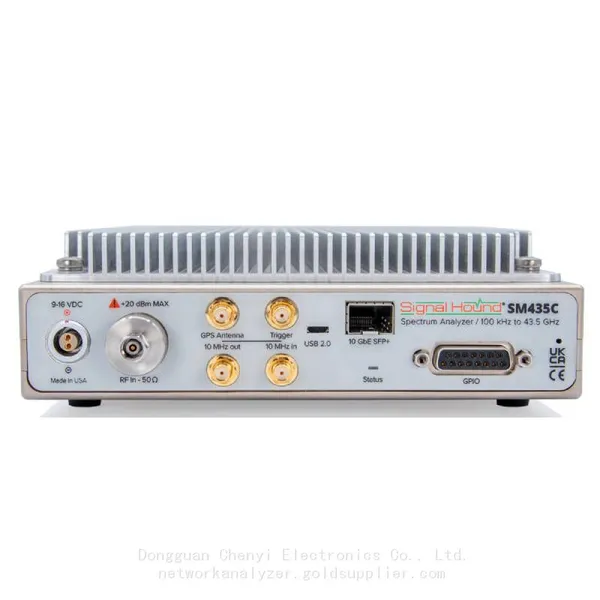
Signal Hound SM435C 100 KHz to 43.5GHz Real-time Spectrum Analyzer With 10GbE Monitoring ReceiversNegotiableMOQ: 1 Unit
-
Signal Hound SM435B 100 KHz to 43.5GHz Real-time Spectrum Analyzer Monitoring ReceiversNegotiableMOQ: 1 Unit
-
Signal Hound PN400 Phase Noise and VCO Test System 100 KHz to 43.5 GHzNegotiableMOQ: 1 Unit
-
Keysight E4980A Precision LCR Meter 20 Hz to 2 MHzNegotiableMOQ: 1 Unit
-
Keysight E4980B and E4980BL Precision LCR Meter 20 Hz to 2 MHzNegotiableMOQ: 1 Unit
-
Keysight U1733C Handheld LCR Meter 100Hz 120Hz 1kHz 10kHz 100kHzNegotiableMOQ: 1 Unit