
 Business License

rohde schwarz NRP75TWGN Thermal power sensors, 50 GHz to 75 GHz LAN Interface,
rohde schwarz NRP75TWGN Thermal power sensors, 50 GHz to 75 GHz LAN Interface,
Thermal power sensors NRP75TWGN: 50 GHz to 75 GHz LAN Interface,-35 dBm - +20 dBm,WR 15
Thermal power sensors NRP90TWGN: 60 GHz to 90 GHz LAN Interface,-35 dBm - +20 dBm,WR 12
Thermal power sensors NRP110TWGN:75 GHz to 110 GHz LAN Interface,-35 dBm - +20 dBm,WR 10
Thermal power sensors NRP140TWGN:90 GHz to 140 GHz LAN Interface,-35 dBm - +20 dBm,WR 8
Thermal power sensors NRP170TWGN:110 GHz to 170 GHz LAN Interface,-35 dBm - +20 dBm,WR 6.5
Key facts
▶Dynamic range: –35 dBm to +20 dBm
▶Frequency range: DC to 170 GHz
▶Control and monitoring via USB and LAN (R&S®NRPxxTN/TWGN only)
▶Outstanding performance for reference applications
▶Excellent impedance matching
Most accurate power measurements for reference applications and use in calibration labs
R&S®NRP power meter sensors have long been recognized for supreme precision and speed. R&S®NRPxxT, R&S®NRPxxTN and R&S®NRPxxTWG thermal power sensors are ideal for complex measurement tasks where accuracy is vital. They combine excellent impedance matching with a sophisticated connector concept. The internal calibration test generates reliable and stable measurements. R&S®NRP power meter sensors are available as USB sensors and can also be controlled via LAN. The R&S®NRP power meter portfolio is ideal for production, R&D and calibration labs as well as installation and maintenance.
Outstanding performance for reference applications
Unparalleled linearity ideal for performing relative measurements
Thermal power sensors are used in complex measurement tasks where accuracy is vital. To improvemeasurement accuracy, the R&S®NRPXXT(N)/TWG(N) thermal power sensor hardware is designed tokeen measurement noise to a minimum and make the sensor immune to thermal environmental effectsThree times faster than comparable solutions on the market with triggered measurements and > 500measurements/s in buffered mode.
Excellent impedance matching
From N to WR 6.5, always the right RF interface
Measurement uncertainty generally results from mismatches caused by multiple reflections at thesource and power sensors. To minimize such reflections, all thermal power sensors in the R&SeNRPfamily are excellently matched to high frequencies, reducing measurement uncertainty.
Intelligent, LAN enabled power measurements
Remote monitoring via LAN over any distance
The LAN power sensors are ideal for remote monitoring applications, such as satelite systems orparticle accelerators, where sensors are placed at different points in the system. The LAN interfacemakes it easy to overcome large distances between the various test points and the control center.
Internal calibration test
Rohde & Schwarz has implemented a special verification function in R&S@NRPxxTN) sensors. Thefunction covers all essential signal path components. Using a test routine, sensor response to highlystable applied DC power is measured and compared to the values from the previous calibration. Theresult provides information about the power sensor functionality and accuracy.
Advantage of a portfolio
Common R&SeNRP power sensor features
▶Minimize measurement uncertainty with fully characterized power sensorsIntelligent averaging function ▶minimizes measurement time
▶USBTMC for easy system integration
▶Built-in trigger l/O port
▶Sensor status at a glance with status LED
Flexible interfaces
Robust 6-/8-pole,USB or LAN
The power sensors come with various detachable cables. The sensor end has a screw connection toprevent accidental loosening of the cable. Direct connections to Rohde & Schwarz signal generatorsand signal and spectrum analyzers are enhanced with a high-performance power meter. The R&SeNRPZKU or R&S@NRP-ZKC USB interface cable can be used to connect a power sensor to a laptop/PC viathe USB interface.


Recently Posted
-
My BB60C Can't Pick Up Weak Signals Between 9 kHz and 20 MHz and Readings Keep Jumping — Broken Front End or Wrong Technique?
October 27, 2026My BB60C Can't Pick Up Weak Signals Between 9 kHz and 20 MHz and Readings Keep Jumping — Broken Front End or Wrong Technique?S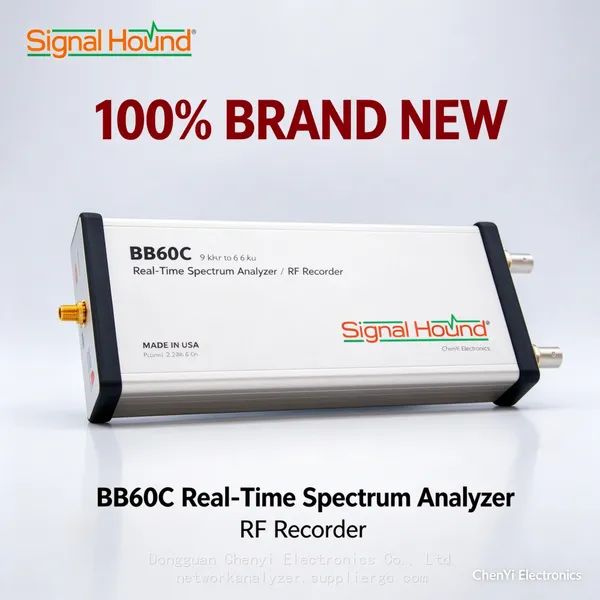 Read More
-
BB60C IQ Recording Fails Mid-Session, Files Are Full of Gaps, or Recording Stops Early — The Problem Is the PC
October 27, 2026BB60C IQ Recording Fails Mid-Session, Files Are Full of Gaps, or Recording Stops Early — The Problem Is the PCSymptomRF/IQ recordi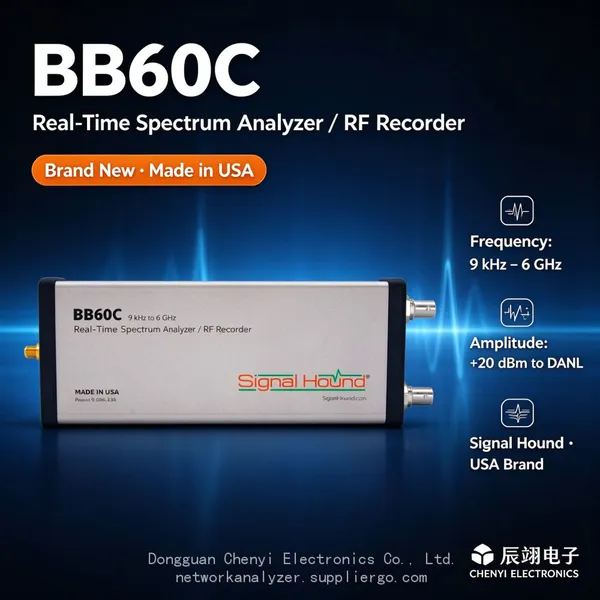 Read More
-
The BB60C Screen Is Full of Signals "That Shouldn't Exist" — How Do I Tell Real Signals From Instrument Artifacts?
October 27, 2026The BB60C Screen Is Full of Signals "That Shouldn't Exist" — How Do I Tell Real Signals From Instrument Artifacts?Sy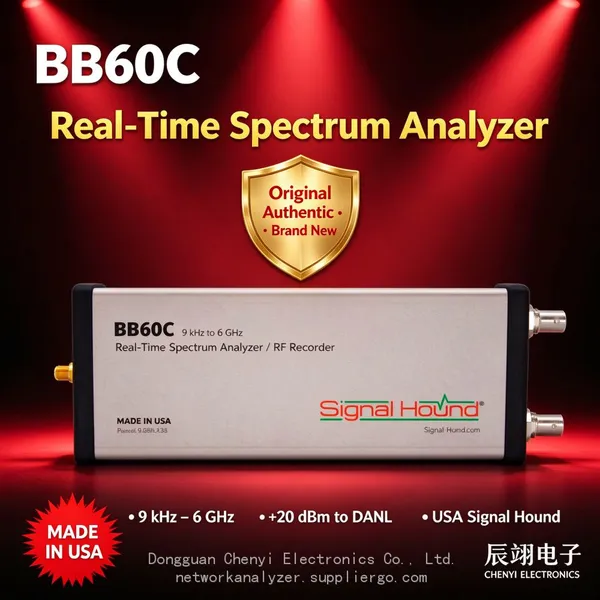 Read More
-
My BB60C Reads Several dB Off Versus Another Instrument — Where Should Amplitude Errors Be Traced From?
October 27, 2026My BB60C Reads Several dB Off Versus Another Instrument — Where Should Amplitude Errors Be Traced From?SymptomOn the same signal,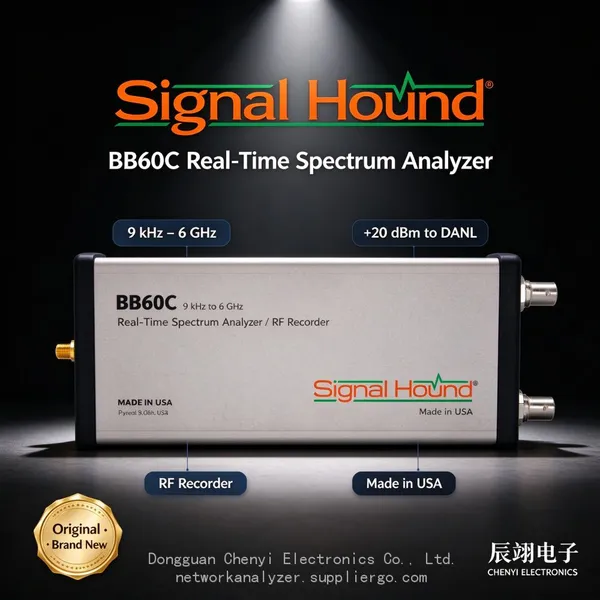 Read More

Contact Us
Recommended Products
-
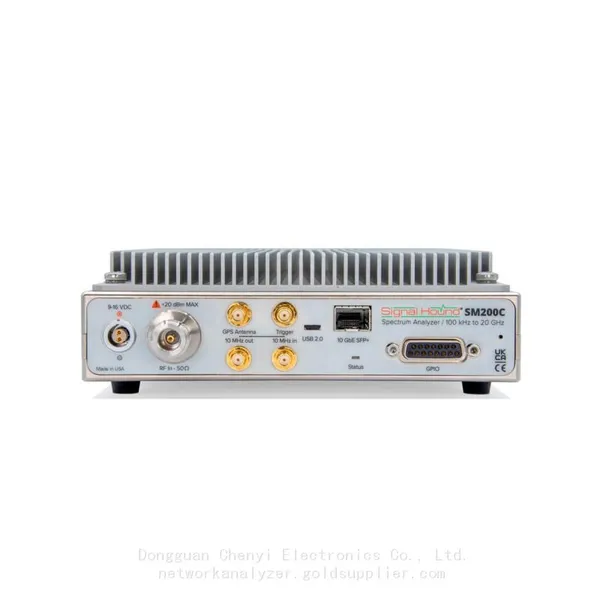
 Signal Hound SM200C 100 KHz to 20 GHz Real-time Spectrum Analyzer With 10GbE Monitoring ReceiversNegotiableMOQ: 1 Unit
-
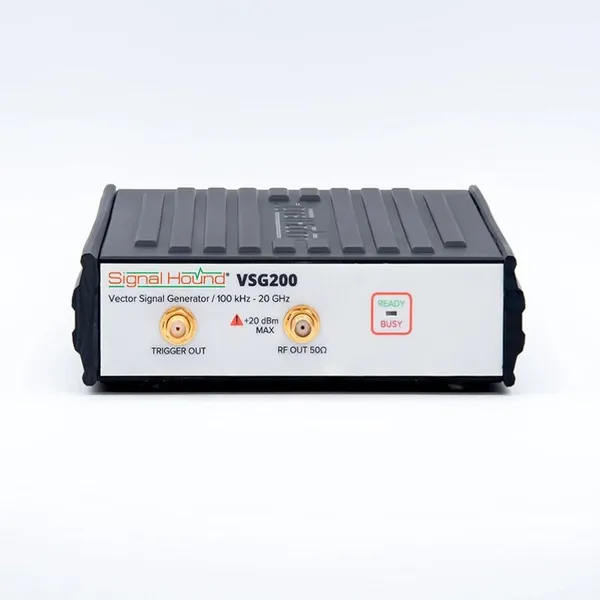
Signal Hound VSG200 Vector Signal Generator 100 KHz to 20 GHzNegotiableMOQ: 1 Unit
-
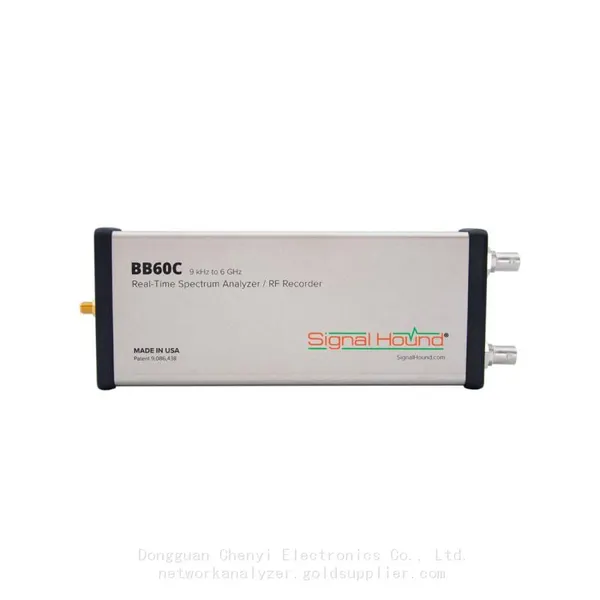
Signal Hound BB60C 9 KHz to 6 GHz Real-time Spectrum AnalyzerNegotiableMOQ: 1 Unit
-
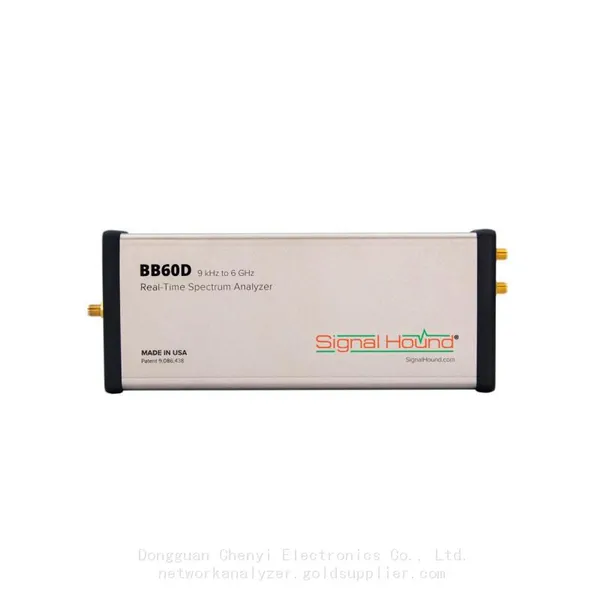
Signal Hound BB60D 9 KHz to 6 GHz Real-time Spectrum AnalyzerNegotiableMOQ: 1 Unit
-
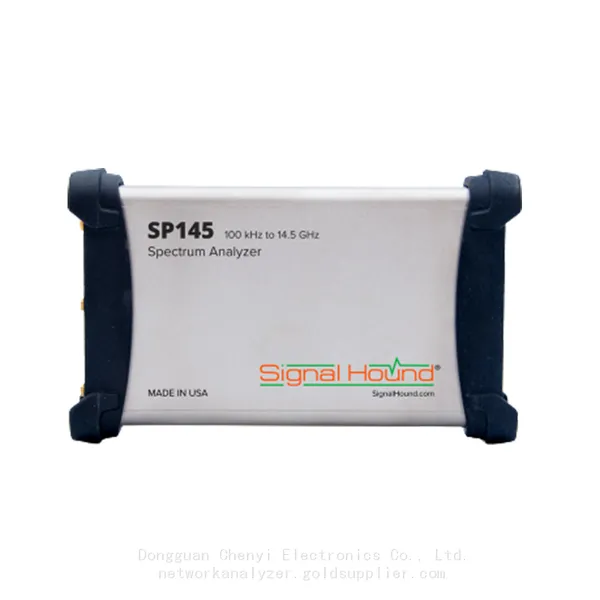
Signal Hound SP145 100 KHz to 14.5 GHz Real-time Spectrum Analyzer Monitoring ReceiversNegotiableMOQ: 1 Unit
-
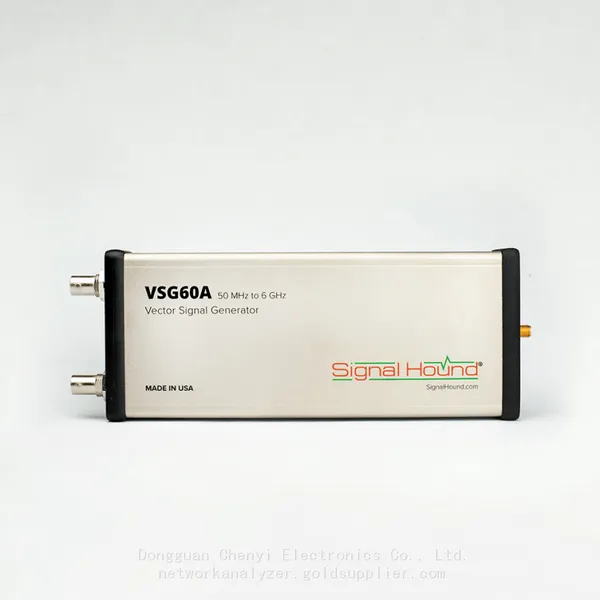
Signal Hound VSG60A 50 MHz to 6 GHz GHz Vector Signal GeneratorNegotiableMOQ: 1 Unit
-
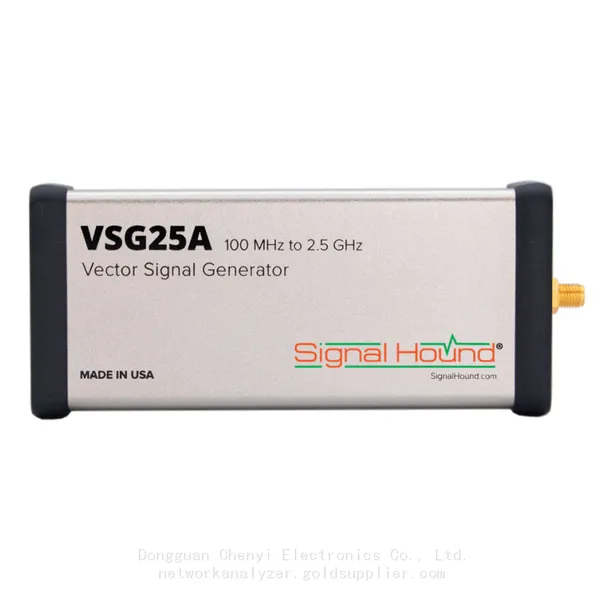
Signal Hound VSG25A 100 MHz to 2.5 GHz Vector Signal GeneratorNegotiableMOQ: 1 Unit
-
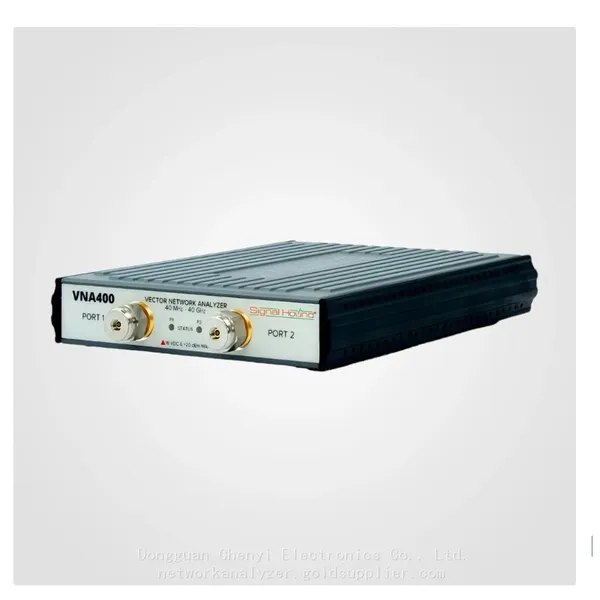
Signal Hound VNA400 40 MHz to 40 GHz 2-port Vector Network AnalyzerNegotiableMOQ: 1 Unit
-
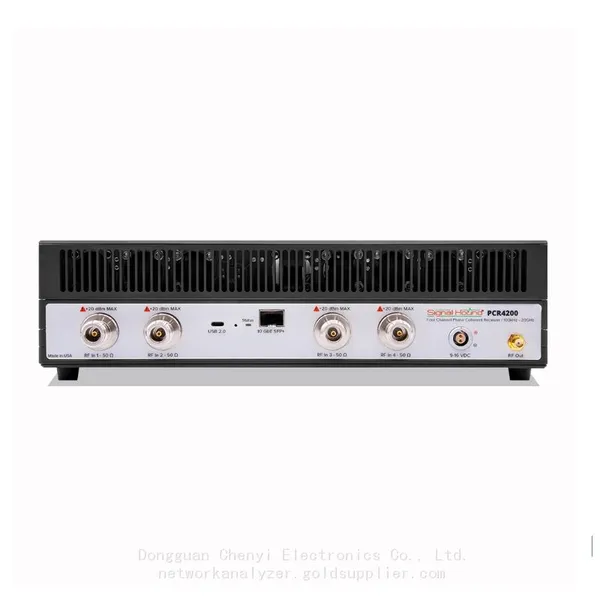
Signal Hound PCR4200 100 KHz to 20 GHz Four-Channel Phase Coherent ReceiverNegotiableMOQ: 1 Unit
-
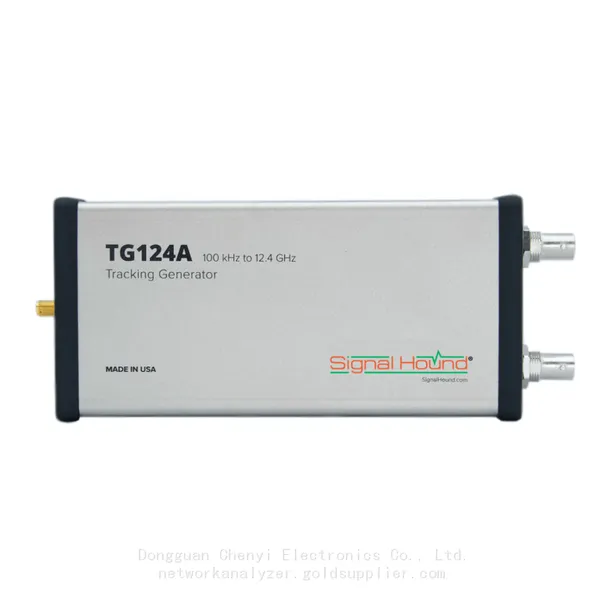
Signal Hound TG124A 100 KHz to 12.4 GHz Tracking GeneratorNegotiableMOQ: 1 Unit
-
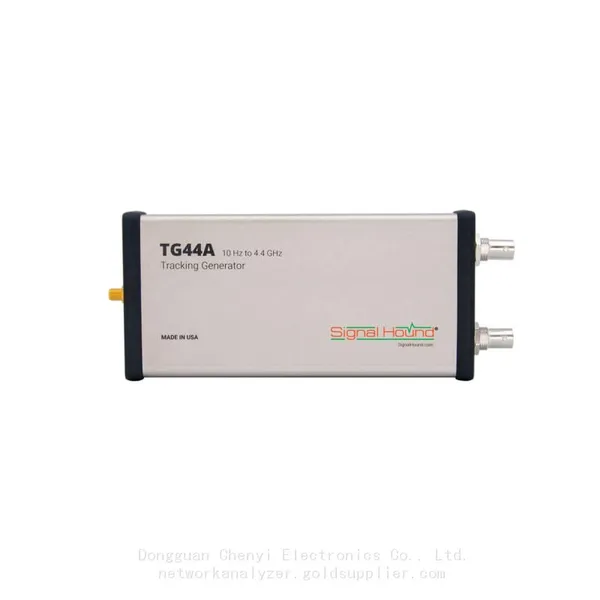
Signal Hound TG44A 10 Hz to 4.4 GHz t Tracking GeneratorNegotiableMOQ: 1 Unit
-
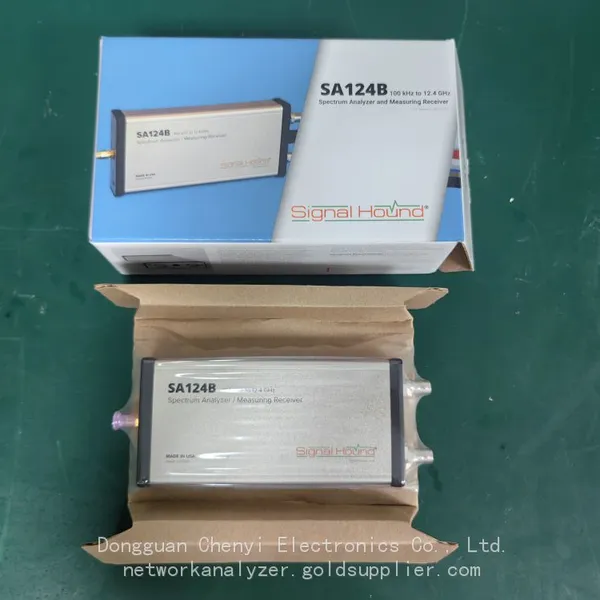
Signal Hound SA124B 100 KHz to 12.4 GHz Spectrum AnalyzerNegotiableMOQ: 1 Unit
-
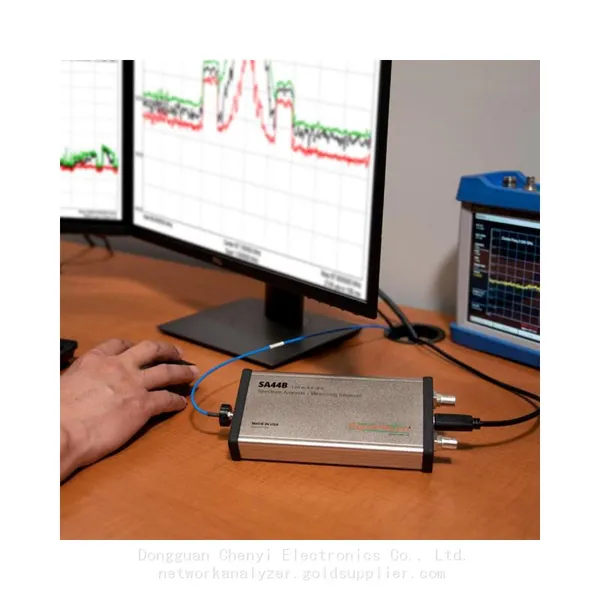
Signal Hound SA44B 1 Hz to 4.4 GHz Spectrum AnalyzerNegotiableMOQ: 1 Unit
-
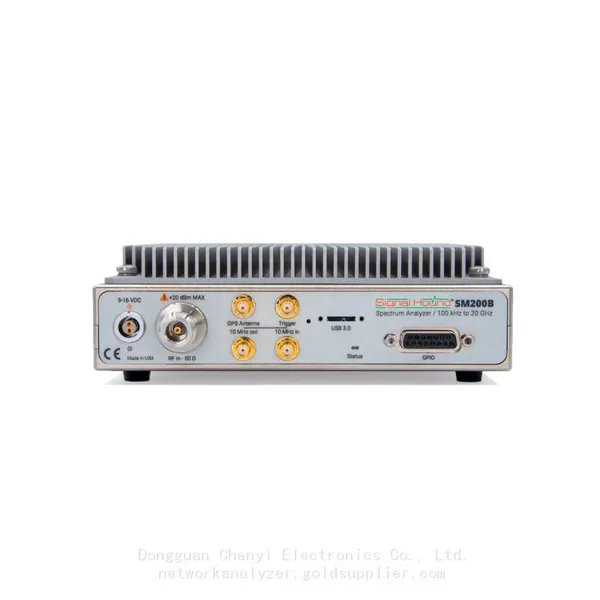
SM200B Real‑time Spectrum Analyzer,USB3.0 RTSA,100kHz-20GHz,calibrated I/Q Capture for 5G Test & Interference HuntingNegotiableMOQ: 1 Unit
-
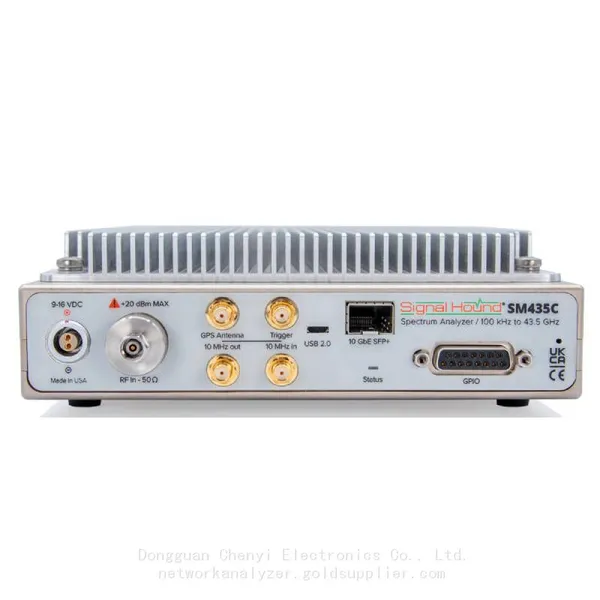
Signal Hound SM435C 100 KHz to 43.5GHz Real-time Spectrum Analyzer With 10GbE Monitoring ReceiversNegotiableMOQ: 1 Unit
-
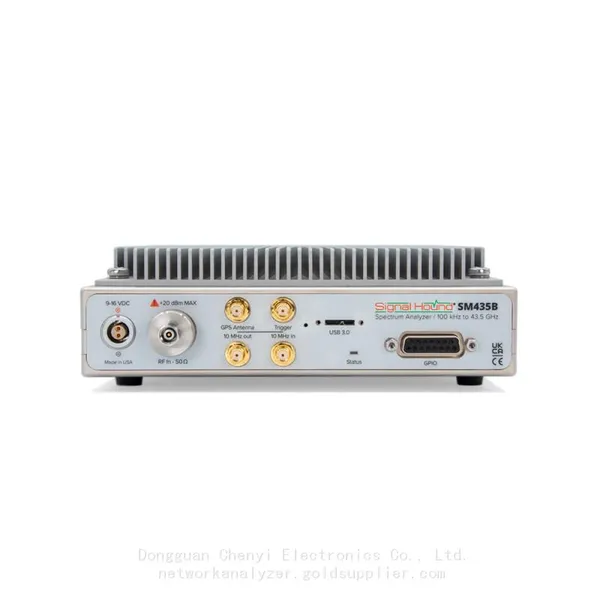
Signal Hound SM435B 100 KHz to 43.5GHz Real-time Spectrum Analyzer Monitoring ReceiversNegotiableMOQ: 1 Unit
-
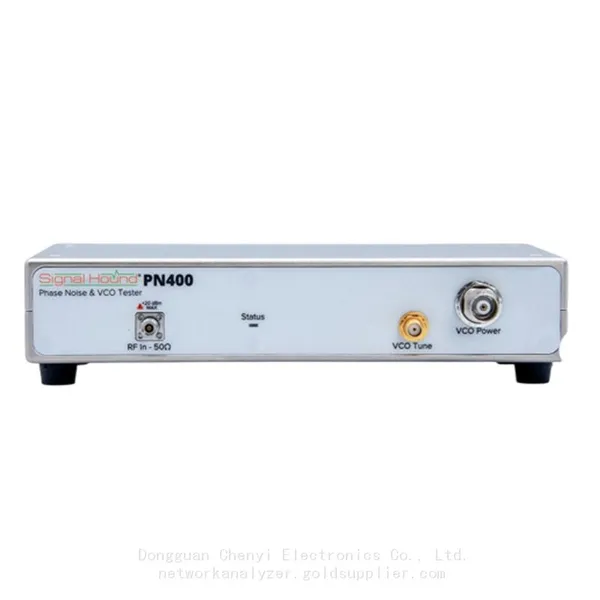
Signal Hound PN400 Phase Noise and VCO Test System 100 KHz to 43.5 GHzNegotiableMOQ: 1 Unit
-
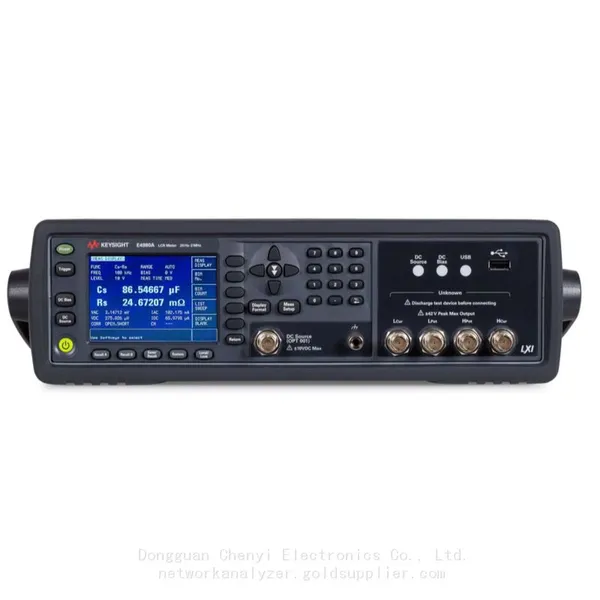
Keysight E4980A Precision LCR Meter 20 Hz to 2 MHzNegotiableMOQ: 1 Unit
-
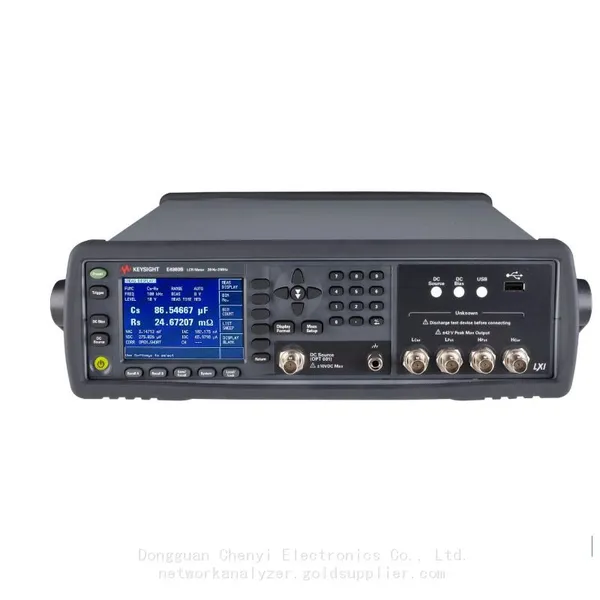
Keysight E4980B and E4980BL Precision LCR Meter 20 Hz to 2 MHzNegotiableMOQ: 1 Unit
-
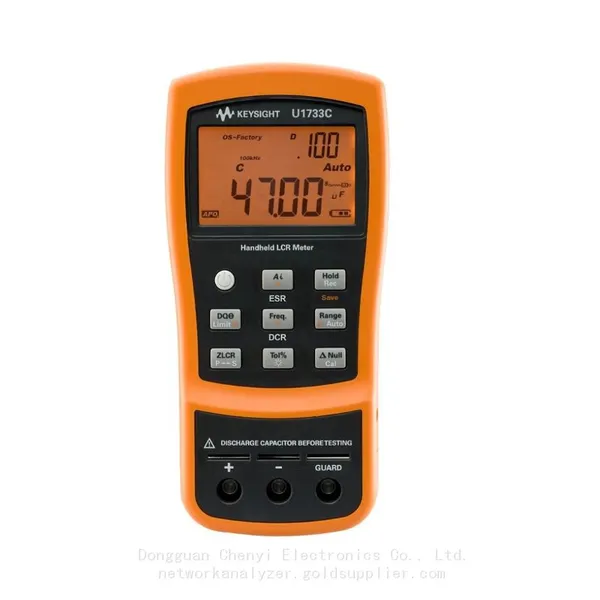
Keysight U1733C Handheld LCR Meter 100Hz 120Hz 1kHz 10kHz 100kHzNegotiableMOQ: 1 Unit